Climate change made Hurricane Ian’s most extreme rainfall about 10% worse than it would have been without two centuries of greenhouse gas pollution, according to a first-take analysis of the storm by two U.S. climate researchers. Their rapid analysis, which they shared on Twitter, looked only at rainfall, and not other critical climate metrics related to hurricanes, such as strength, intensification and sea level rise.
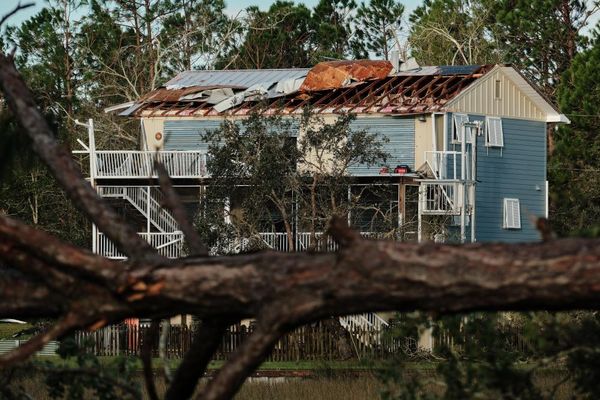
Ian has devastated the state of Florida, with severe flooding among the impacts. President Joe Biden said it is likely to rank among the most destructive storms in U.S. history, and the full death toll will likely not be known for weeks. Damage estimates range from $68 billion to $100 billion.
To arrive at their finding, Michael Wehner of the Lawrence Berkeley National Laboratory and Kevin Reed of Stony Brook University relied on what they call a “storyline” approach. That involves using a publicly available model to replay the storm. Then they’re able to remove the effects of climate change “using sort of a ‘cookbook’ from existing studies,” said Wehner. With the effects of greenhouse gas pollution subtracted out, they re-run the simulation to develop a sense of “the world that might have been had there not been climate change,” he said.