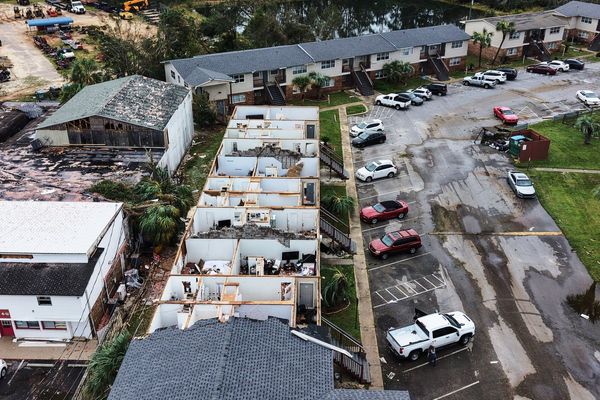
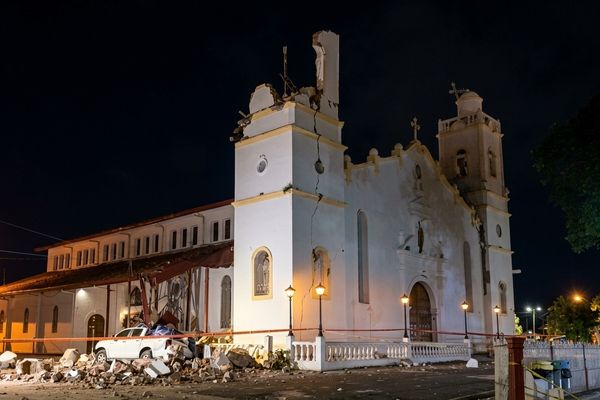
Hurricane Idalia made landfall on Florida’s Gulf Coast on Aug. 30, 2023, bringing surging seas and winds over 100 mph. Meanwhile, another climate emergency has been unfolding along Florida’s coast this summer: a marine heat wave bleaching corals throughout the world’s third-largest barrier reef.
Similarly, ocean temperatures in many parts of the Atlantic and Pacific are at record highs, with reefs from Colombia to Australia showing signs of stress in recent years. Scientists warn that the world may be witnessing the start of a global coral-bleaching event, which would be the fourth on record – and while corals can survive bleaching, they won’t if the waters stay warm for too long.
Large-scale reef destruction tends to be measured in biological and economic terms. Reefs support about 25% of all marine species, protect human lives and property by buffering shorelines and bolster the worldwide economy through fishing and tourism.