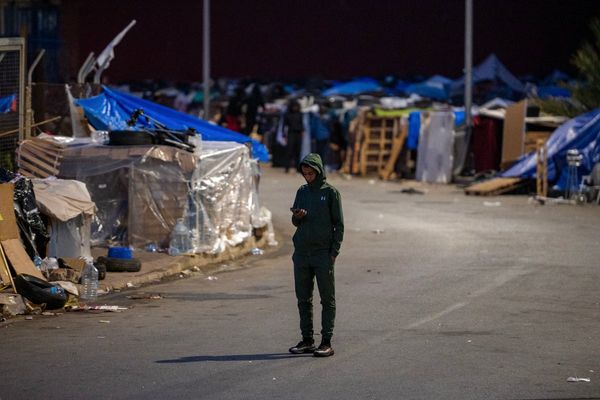
An increasingly strong case is being made to bring inequality into discussions about climate change. The logic behind this has been set out by leading international institutions such as the International Labour Organisation, the UN Environmental Programme and the Network for Greening the Financial System.
All have begun to highlight the connection between climate outcomes and inequality. They are stressing that inequality should be viewed as posing systemic and macroeconomic risk. Inequality has been found to undermine democracy, social and political cohesion and economic stability. Inequality also undermines our ability to deal with climate and environmental challenges.
In a recent summary paper we analysed how environmental policies can be designed and implemented with an inequality-reduction lens. We used examples from South Africa, Colombia, Indonesia and Mexico.