
Get all your news in one place.
100’s of premium titles.
One app.
Start reading
Ideal Home
Ideal Home
Kezia Reynolds

Cleaning experts reveal 6 cleaning jobs you should never use dehumidifier water for – it will do way more harm than good

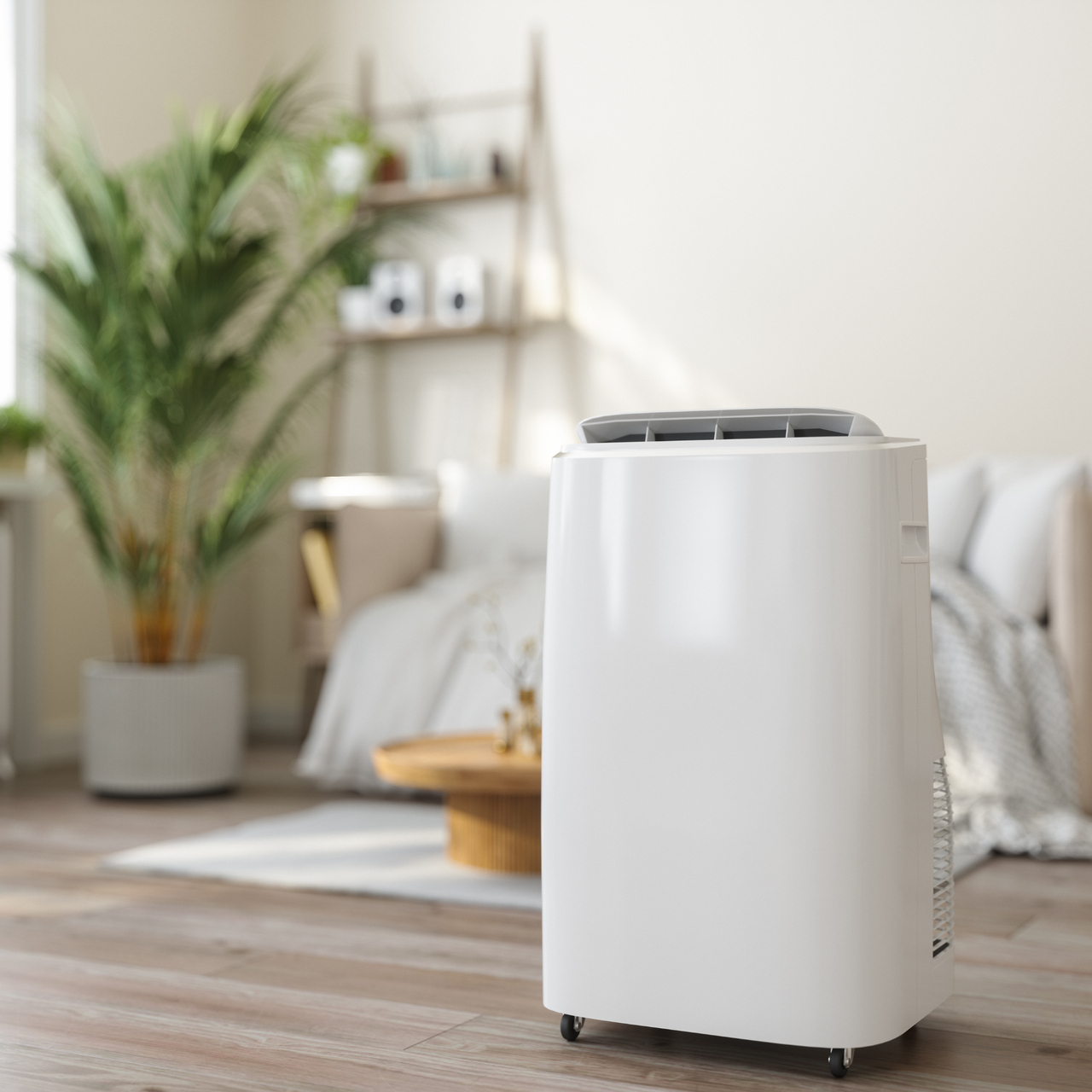
Close-up View Of Portable Air Conditioner With Blurred Living Room Background.

A dehumidifier is one of the most handy appliances you can own during the winter months. Sucking excess moisture from the air and storing it in a large tank, they’re a must-have for preventing damp mould and condensation.

While the more savvy of us may have found cleaning jobs to use dehumidifier water for, experts are warning that there are some tasks where this ‘grey water’ is inappropriate and should always be avoided.

The best dehumidifiers are somewhat miracle workers during winter, but they can’t be used to tackle every single household chore. You probably don’t need me to tell you that dehumidifier water isn’t suitable for eating or drinking. These are the six lesser-known tasks you should always avoid using dehumidifier water for.

1. Watering edible plants

‘As dehumidifier water can potentially contain a range of contaminants, it should not be used for watering any plants that are going to be eaten. However, it can be used for watering hardier plants or those that are non-edible,’ says Jess Thomas, managing director of Drainage Central.

(Image credit: Future PLC / David Giles)

While you can use grey water to water houseplants (and some plants like orchids love it), if you have a kitchen herb garden or veg patch, it is best to avoid watering any produce you plan on eating.

You need to remember that dehumidifier water is not the same as distilled water. It will remove any allergens or contaminants in the air whilst absorbing moisture, which you then risk consuming if you water edible plants with it.

2. Cleaning your kitchen

The most popular use for dehumidifier water is for cleaning; however, you should always avoid using this grey water to clean a kitchen or any food preparation areas.

(Image credit: Future PLC/Katie Lee)

This is because dehumidifier water ‘lacks the purity needed for hygiene-sensitive areas,’ says Chris Michael, CEO at Meaco.

3. Cleaning porous materials

Another great use for grey water is cleaning your floors, but if your flooring or work surfaces are made from porous materials, such as natural stone, it’s best to avoid it.

(Image credit: Future PLC/Darren Chung)

‘Avoid using dehumidifier water on porous materials like natural stone, unsealed wood, or leather. While it might appear clean, dehumidifier water often contains trace minerals, metal residues, and airborne contaminants picked up during condensation. When used on porous surfaces, these impurities can penetrate and cause staining, discolouration, or even etching over time,’ says Henrique Conceicao, area manager at Total Clean.

‘Your marble or granite countertops may lose their sheen, and untreated wood can develop marks or warping. Leather, too, is particularly vulnerable as moisture and impurities can cause it to crack or develop mildew. If you want to reuse dehumidifier water, reserve it for low-risk cleaning tasks, such as mopping outdoor tiles or rinsing garden tools, where potential residue won’t cause harm.’

4. Cleaning clothes

‘Dehumidifier water is not suitable for washing clothes as it is not sterile and can contain a range of contaminants. Bacteria or mould spores from the dehumidifier water can be transferred onto clothing, and if your dehumidifier has metal coils, these can release trace amounts of metal into the water,’ says Jess.

(Image credit: Future PLC/Rachel Smith)

Instead, invest in a good quality washing detergent (I like the Miniml Jasmine and Vanilla Laundry Liquid, £6.50 at Amazon) or even try out cheap alternatives like baking soda.

5. Personal washing or pet care

‘The water may contain micro-organisms that could irritate skin or cause illness if swallowed,’ says Chris.

(Image credit: Future PLC / Joanna Henderson)

It’s best to avoid dehumidifier water where it comes into contact with you, your family or your pets, as the water may contain nasties it’s extracted from the air while removing water.

6. Cleaning a mirror

Last on the list, you should never use dehumidifier water to clean a mirror, as it can leave streaks, meaning you’ll have to complete this task all over again.

(Image credit: Future PLC/Caroline Mardon)

‘You should never use dehumidifier water for cleaning glass or mirrors, as it can contain minerals and tiny impurities that leave streaks, spots or a cloudy film. Instead of leaving surfaces sparkling, it can make them look dull and harder to clean over time,’ says David Marquardt, CEO of The Steam Team.

‘The same goes for mirrored furniture or polished glass, where residue can quickly build up and ruin the finish. It’s also unsafe to use this water on electronics such as laptops, keyboards or remote controls. Even the smallest trace of contaminants can cause corrosion or short circuits if moisture seeps into delicate components. To avoid damage, always stick to distilled or filtered water for surfaces or devices that need to stay clean and streak-free.’

What to use instead

How do you use dehumidifier water around your home? Have you made any of these mistakes before?

Sign up to read this article
Read news from 100’s of titles, curated specifically for you.
Already a member? Sign in here
Related Stories
Top stories on inkl right now
One subscription that gives you access to news from hundreds of sites
Already a member? Sign in here
Our Picks
Fourteen days free
Download the app
One app. One membership.
100+ trusted global sources.