
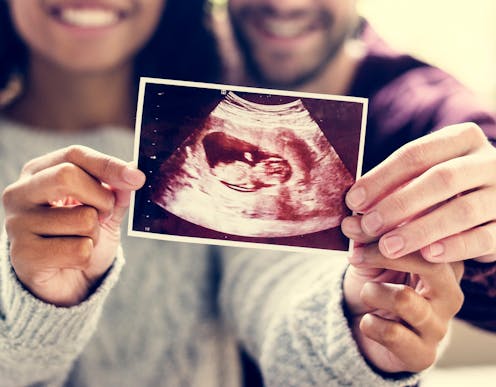
When a baby is born, its immune system is already developed to survive in a world full of germs. This developmental process is not only important for the baby but also for lifelong health. However, our understanding of the process is vastly incomplete. Specifically, scientists do not agree on when the foetus is first exposed to microbes.
Historically, the scientific view was that the foetus, as well as the womb in which the foetus grows, including the placenta and the amniotic fluid (the liquid surrounding the foetus), are sterile. Yet since the arrival of DNA sequencing, several research groups found evidence for microbial communities in the placenta and amniotic fluid.













