Get all your news in one place.
100’s of premium titles.
One app.
Start reading
GOBankingRates
GOBankingRates
Ashley Donohoe

Claiming These 4 Tax Breaks Could Get You in Trouble With the IRS

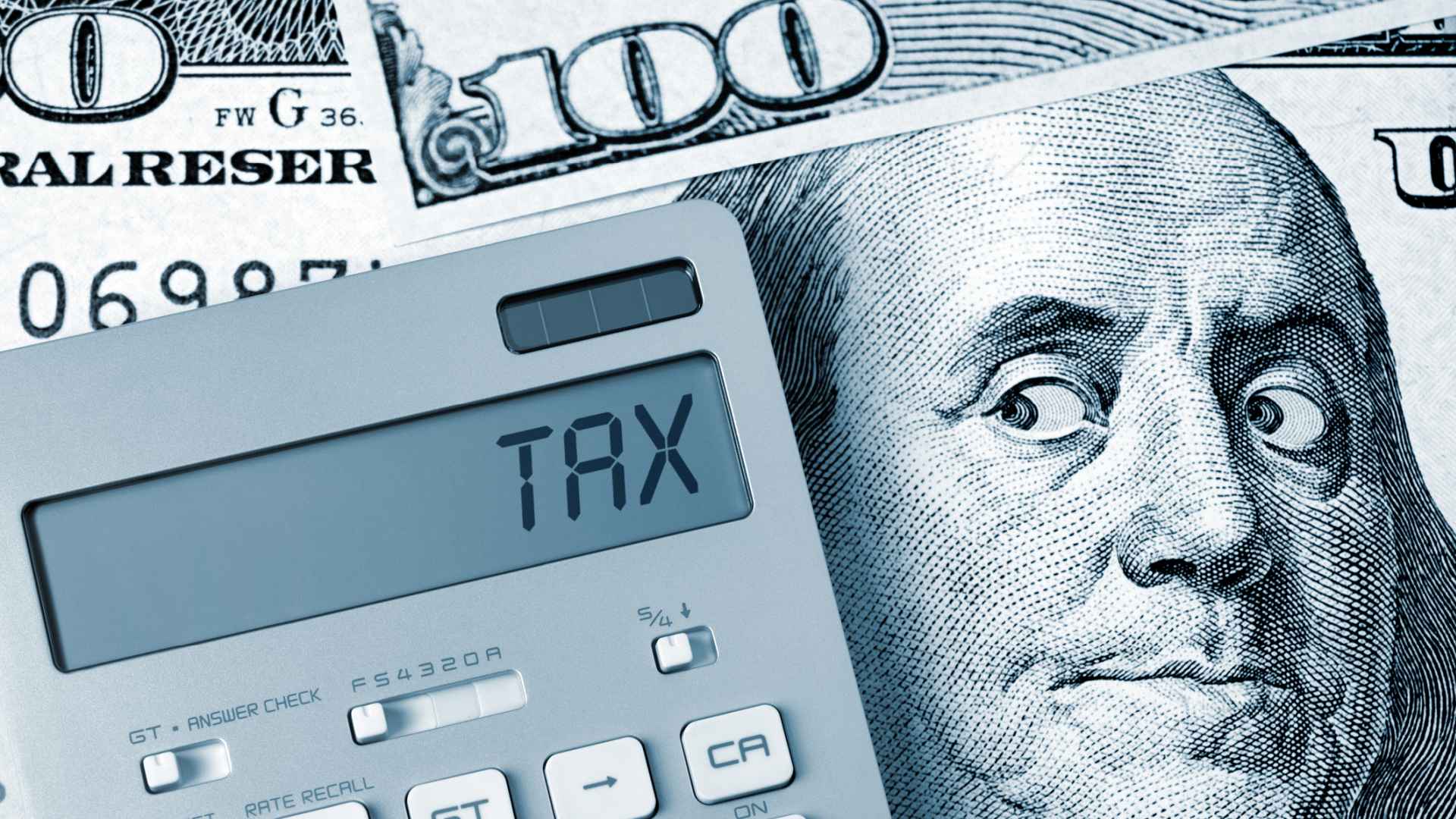
hamzaturkkol / Getty Images/iStockphoto

While taking advantage of tax breaks is a smart move for lowering your tax bill or boosting your refund, you can land in trouble if you’re not careful about which advice you follow online.

In a news release from September 2025, the IRS noted that it had penalized taxpayers for more than $162 million for misusing tax credits, including some that didn’t even exist.

Here are four tax breaks to watch out for if you don’t want to deal with a rejected return, costly penalties or other problems with the IRS.

Fuel Tax Credit

The Fuel Tax Credit is a legitimate tax break worth about 18 cents (gasoline) or 24 cents (diesel and kerosene) per gallon. However, it’s not as widely available as many social media posts claim.

According to IRS rules, this credit applies only to businesses purchasing fuel for non-taxable purposes, such as farming or off-highway use (e.g., powering equipment). Claiming it because you drive to work or operate your personal lawnmower could leave you with a delayed or denied refund at best and up to a $5,000 penalty at worst.

For You: 5 Tax Loopholes the Ultra-Wealthy Use That Most Americans Don’t Know About

Discover Next: 9 Low-Effort Ways To Make Passive Income (You Can Start This Week)

Self-Employment Tax Credit

Some social media influencers spread information about a “self-employment tax credit” supposedly worth up to $32,000. An IRS news release clarified that no credit exists under this name and that it instead relates to the Credits for Sick Leave and Family Leave.

That legitimate tax break was available only to self-employed and other eligible business taxpayers who took a qualifying COVID-19-related leave between April 2020 and September 2021. If you try to claim a tax credit now simply for being self-employed or taking time off due to illness, the IRS could charge a hefty penalty and even charge you criminally.

Household Employment Tax Claims

If you hire a house cleaner, nanny or another household employee, the IRS may require you to complete Schedule H with details about their income and employment taxes. This typically applies if your employee has cash wages of more than $2,800 in 2025 or $3,000 in 2026.

However, the Smith Patrick CPA firm noted that some taxpayers fall for social media advice encouraging them to create fake household employees. They then try to get refunds for payroll taxes or sick and family leave wages. This fraudulent move can get your tax return flagged and leave you owing the IRS more money.

Questionable Business Expense Write-Offs

Having a business means you can claim legitimate tax write-offs for “ordinary and necessary” expenses, per the IRS. Some examples include business-related mileage, home office use, advertising and marketing expenses, business insurance premiums and equipment depreciation.

Social media claims might tempt you to blur the line between personal and business expenses. For example, you usually can’t write off a golf trip with a potential client or everyday household expenses, such as clothing, groceries and child care. Plus, you have to account for any personal use associated with legitimate business expenses.

To avoid tax fraud, check these IRS resources and ask an accountant if you have doubts.

More From GoBankingRates

This article originally appeared on GOBankingRates.com: Claiming These 4 Tax Breaks Could Get You in Trouble With the IRS

Sign up to read this article
Read news from 100’s of titles, curated specifically for you.
Already a member? Sign in here
Related Stories
Top stories on inkl right now
One subscription that gives you access to news from hundreds of sites
Already a member? Sign in here
Our Picks
Fourteen days free
Download the app
One app. One membership.
100+ trusted global sources.