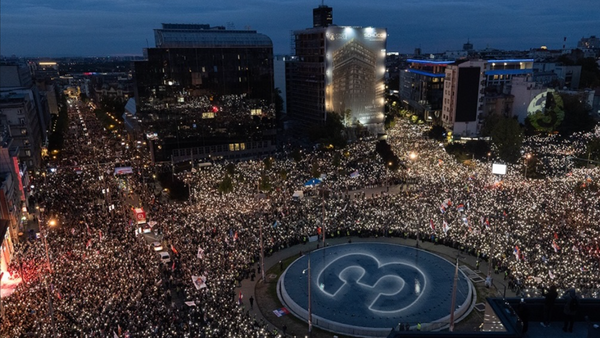
There are a wide range of ways to create decision-making bodies in democratic societies. Elections are one of the most common, with individuals stepping forward and seeking public support. If elected by their fellow citizens, they then take action on their behalf. This is known as representative democracy. An alternative form is direct democracy, which involves all citizens voting on proposed government policies or legislation.
af
Another form that’s growing in popularity are citizens’ assemblies – decision-making bodies created by random selection. While less widespread, they’re creating a sense of optimism about democracy among those who have heard about or taken part in them, as well as organisations such as the OECD. Randomisation – also known as sortition – holds out the possibility that everyone can have an equal chance of being selected; politically, it offers the hope of consensus because partisan engagements are not a prerequisite for participation. Randomisation also promises an assembly where diversity of experience and opinions promotes critical reflection and reasoned judgement, as with criminal juries.
Citizens’ assemblies can be asked to weigh in on major challenges to society – for example, France’s Convention for the Climate and the UK’s Climate Assembly, both held from 2019-2020, brought together hundreds of people together and asked them define measures that will allow to reduce greenhouse gas emissions in an equitable manner. Other such bodies included the Citizens’ Assembly on Brexit (2017) and Germany’s Citizens’ Assembly on Democracy. Ireland even has a standing Citizens’ Assembly, established in 2016.