A recent report from the Wall Street Journal highlights the alarming increase in cigarette smuggling in Gaza, driven by the exorbitant prices of tobacco products in the region. With cigarettes fetching prices as high as $25 each, criminal gangs have resorted to smuggling them alongside aid deliveries, posing a significant threat to United Nations aid convoys.
The closure of the Rafah crossing between Gaza and Egypt by Israeli forces in early May disrupted the flow of tobacco products into Gaza, leading to a surge in demand for cigarettes. Opportunists seized on this situation by smuggling cigarettes into the region disguised within aid packages destined for United Nations facilities.
This illicit operation has not only exacerbated the risks faced by aid convoys operating in Gaza but has also resulted in aid groups refusing to make deliveries beyond the Gaza border. As a consequence, over 1,000 truckloads of aid are currently stranded at the Kerem Shalom crossing with Israel.
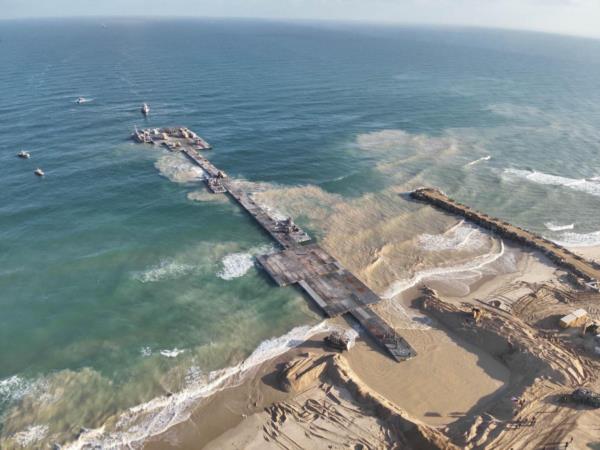

Efforts to facilitate aid delivery, such as the construction of a temporary pier on the Gaza coast by President Biden's administration, have faced setbacks. The pier, built at a cost of approximately $320 million, quickly became unusable due to inclement weather. Furthermore, security concerns prompted the United Nations to halt food distribution at the pier, following rocket attacks on warehouses storing aid.
The Biden administration has reaffirmed its commitment to maintaining the pier and ensuring the safe delivery of aid to Gaza. However, the ongoing challenges posed by cigarette smuggling and security threats underscore the complex environment in which aid operations in Gaza are conducted.