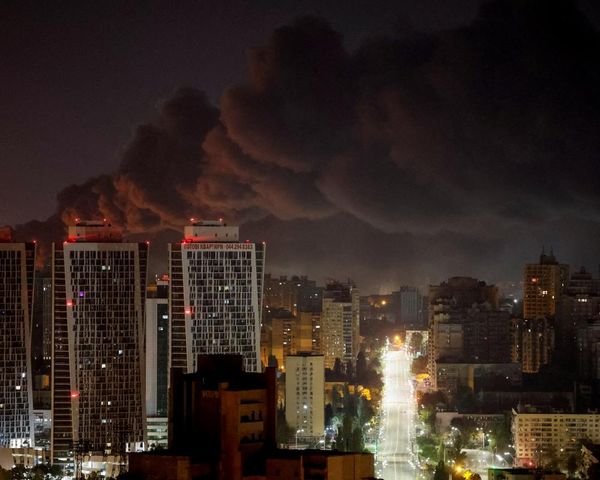
If there was a single trigger for the “white paper” uprising that has been sweeping China over the past few days, it was events in Ürümchi, the capital of Xinjiang province. Xinjiang’s lockdown has been the most severe in China, with many residents unable to leave their homes for nearly four months. When ten or more residents, mostly Uyghur Muslims, were barred from escaping a blaze, their apartment block became a death trap. The doors, it is said, had been externally bolted.
Within hours, rallies and candlelit vigils for the Ürümchi victims were held in cities across China. To evade censure, protesters developed creative techniques involving irony and strategic ambiguity.
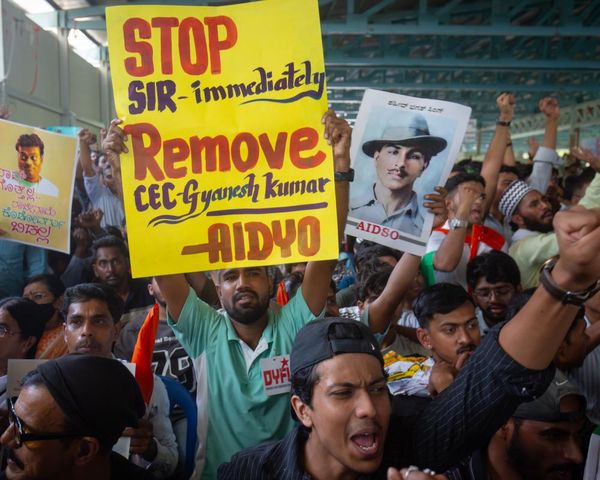
“Rise up, those who refuse to be slaves,” sang one protester, a call to arms protected by its status as a line from China’s national anthem. Others posted ludicrously gushing messages about the regime and the security forces, or the phrase “shrimp moss” which in Chinese sounds like “step down.” The best-known trope was the holding aloft of blank sheets of paper by demonstrators.