We strongly support the call to declare the climate crisis a global public health emergency (Report, 16 May). If this approach is to be successful, it is vital that children are put at the forefront of our response. We have ample evidence to show how important the early years of a child’s life are, and increasingly we are understanding how these years are being disrupted by climate change. Droughts, flooding, food insecurity, displacement and extreme heat are already affecting children’s nutrition, learning, and physical and mental health.
Early impairments to development echo throughout your life, and certain physical impairments may even be passed on to subsequent generations. These impacts are occurring around the world and will become more severe as extreme weather events increase in their severity and number. For many countries, these impacts threaten decades of progress that has been made on child health and education.
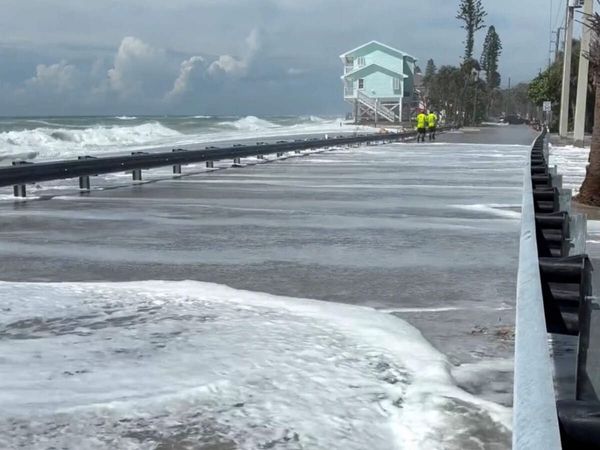
Responding to this challenge requires targeted policies based on robust climate attribution evidence, but it also requires us to give voice to our youngest citizens. All too often, children are left out climate discussions or policy planning. At Cop30, the Brazilian health ministry established the Belém Health Action Plan as a roadmap for health ministries to adapt to climate change and, following consultation, including from our initiative, children were included as an important part of this plan. This advocacy is a constant task for many organisations such as our consortium, but ultimately the inclusion of children needs to be second nature for policymakers.
The coming decades are going to present myriad challenges for adaptation and a number of overlapping health crises. Thinking about how our adaptive processes will respond to the needs of children is useful as a both practical and moral framework for what actions to prioritise. Declaring the climate crisis a global public health emergency would be a strong start, but foregrounding children in that emergency will be vital for our future resilience.
Prof Alan Stein
Director, Children and Climate Initiative, Blavatnik School of Government, University of Oxford
Dr Lynette Okengo
Director, African Early Childhood Development Network
• Have an opinion on anything you’ve read in the Guardian today? Please email us your letter and it will be considered for publication in our letters section.