
Get all your news in one place.
100’s of premium titles.
One app.
Start reading
Frugal Gardening
Frugal Gardening
Brandon Marcus

Cheap Ways to Attract Pollinators Early in the Season

Image source: Unsplash.com

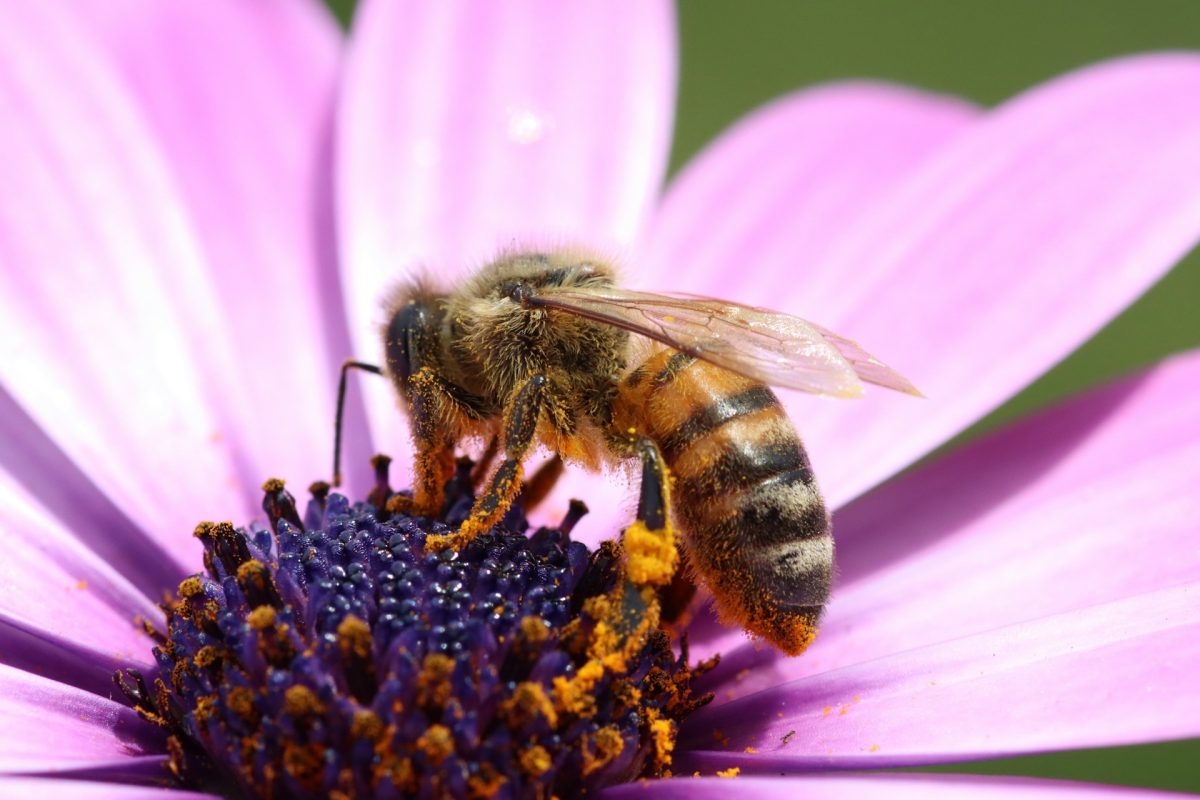
A peaceful yard in early spring rarely stays quiet for long once pollinators discover it. Bees buzz through the air, butterflies glide between blossoms, and the entire garden begins to pulse with life. The problem for many gardeners lies in timing. Pollinators wake up hungry after winter, yet many yards offer almost nothing to eat when the season first begins.

Fortunately, attracting pollinators early in the year does not require expensive landscaping or complicated garden designs. A few thoughtful changes can transform an ordinary space into a reliable food stop for bees, butterflies, and other beneficial insects. Many of those changes cost very little and rely more on timing and smart planting than on money.

Early Bloomers Steal the Show

Early spring flowers act like neon signs for hungry pollinators. Bees that emerge from winter dormancy search urgently for nectar and pollen, and they gravitate toward the first blooms they can find. Several inexpensive plants provide exactly what those insects need. Crocus, snowdrops, and grape hyacinths bloom extremely early and often push right through late frost. Garden centers sell these bulbs at low prices, and they multiply quickly once they settle into the soil. A small purchase can eventually spread across a yard and create a much larger patch of flowers over time.

Willow trees and shrubs also supply crucial early pollen. Pussy willow branches develop fuzzy catkins that feed bees long before most flowers open. A single shrub planted in a corner of the yard can support dozens of early pollinators during those first warm days of the season.

Clumping these plants together helps pollinators locate them faster. Large patches of the same flower attract more attention than scattered individual blooms, and that simple arrangement improves pollination while also creating a more dramatic visual display.

Delay the Great Spring Cleanup

A spotless yard may look tidy, yet it removes valuable shelter for insects that pollinate flowers. Many native bees spend winter inside hollow stems, under leaves, or tucked inside garden debris. Early spring raking can destroy those hidden nesting spots. Holding off on heavy cleanup gives pollinators time to emerge naturally. Leaving leaf litter under shrubs and around garden beds provides insulation and protection for overwintering insects. That layer also improves soil health by breaking down into organic matter.

Gardeners can still tidy paths and high-traffic areas while keeping portions of the yard undisturbed for a few extra weeks. Once consistent warm temperatures arrive and bees begin flying regularly, the remaining debris can move into compost piles or mulch beds.

Dandelions Deserve a Second Look

Many lawns treat dandelions like sworn enemies, yet those bright yellow flowers rank among the earliest food sources for pollinators. Honeybees, solitary bees, and early butterflies all visit them for nectar and pollen. Allowing a few dandelions to bloom before mowing supports those insects at a moment when food options remain limited. A short delay in lawn mowing can provide days or even weeks of additional nourishment for pollinators.

Clover offers another lawn-friendly alternative that pollinators love. White clover produces small blossoms that attract bees throughout the growing season. Seed packets cost very little, and clover spreads naturally once it gains a foothold in the yard.

Build a Bee Hotel With Simple Materials

Not every pollinator lives inside a hive. Many native bees prefer small tunnels inside wood or plant stems, and those solitary bees play a huge role in pollination. A simple insect hotel can support those insects without costing much at all. Hollow bamboo stems, drilled wooden blocks, or bundled reeds create perfect nesting tunnels. Placing those materials inside a small wooden frame or even a repurposed container forms an effective shelter.

Mounting the bee hotel on a sunny wall or fence keeps it warm and dry. The openings should face outward and stay sheltered from heavy rain. Early spring installation gives bees plenty of time to inspect the structure and claim nesting spaces.

Offer a Pollinator Water Station

Pollinators need water just as much as nectar. Bees often search for shallow water sources where they can drink safely without drowning. A simple dish or shallow bowl filled with water works perfectly when it includes a few small stones or pebbles. Those stones create landing spots that allow insects to perch while they drink. Refreshing the water regularly keeps it clean and appealing.

Birdbaths can also serve this purpose when they include shallow edges or stones. Even a small water station can attract bees quickly during warm afternoons when insects grow thirsty. On top of all that, birdbaths can be beautiful garden additions that add personality and flare to the area.

Herbs That Feed Pollinators and Kitchens

Herb gardens offer a wonderful two-for-one benefit. Many culinary herbs produce flowers that attract pollinators while also supplying fresh ingredients for cooking. Chives bloom early and create round purple flower clusters that bees adore. Thyme, oregano, and mint also produce nectar-rich flowers that support pollinators later in the season. These herbs grow easily in containers, raised beds, or simple garden plots.

Allowing a portion of the herbs to flower rather than harvesting every stem ensures that pollinators receive their share. Those blooms often appear delicate and attractive, adding charm to the garden while providing valuable nutrition.

Native Plants Create Reliable Food Sources

Native plants evolved alongside local pollinators, which means they often provide exactly the nectar and pollen those insects expect. Even a small patch of native flowers can dramatically increase pollinator visits. Plants such as coneflower, bee balm, black-eyed Susan, and goldenrod support a wide variety of pollinating insects. Many native plant seeds cost less than ornamental nursery plants, especially when gardeners start them directly from seed. Grouping native plants together creates dense feeding areas that pollinators can easily locate. Those clusters also create colorful garden displays that shift throughout the season as different flowers bloom.

Image source: Unsplash.com

A Garden That Buzzes With Life

A thriving pollinator garden does not demand a large budget or complicated planning. Early blooms, simple shelters, water sources, and a little patience during spring cleanup can transform almost any yard into a welcoming habitat.

Small changes often produce surprisingly big results. A patch of crocus here, a bee hotel there, and a few dandelions left to bloom can bring buzzing activity into a space that once felt quiet.

Which early-season plant brings the first bees to your garden every year? Let’s hear about it in the comments section.

You May Also Like…

9 Backyard Bugs That Can Damage Plants Before Summer

This “Pollinator-Friendly” Plant Is Now on the Invasive Species Watchlist

Experts Warn: This Popular “Natural” Pest Spray Is Harming Pollinators

How to Make Your Yard a Haven for Birds and Pollinators This Winter

How Late-Season Pollinators Depend on Your Garden

The post Cheap Ways to Attract Pollinators Early in the Season appeared first on Frugal Gardening.

Sign up to read this article
Read news from 100’s of titles, curated specifically for you.
Already a member? Sign in here
Related Stories
Top stories on inkl right now
One subscription that gives you access to news from hundreds of sites
Already a member? Sign in here
Our Picks
Fourteen days free
Download the app
One app. One membership.
100+ trusted global sources.







