
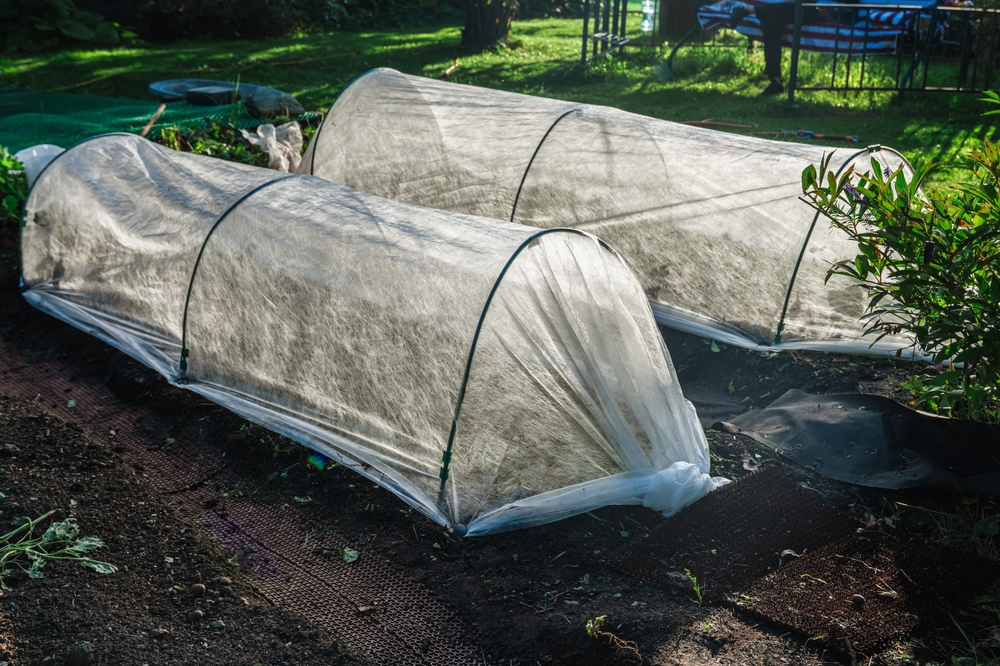
Garden plants fight a daily battle against frost, pests, wind, and blazing sun. Row covers help win that battle, yet store-bought versions often carry price tags that make gardeners wince. The good news: creativity beats expensive gear every single time in the garden. Plenty of cheap, clever alternatives deliver protection without draining the wallet, and many of them hide in plain sight around the house.
A determined gardener can transform everyday materials into powerful shields for delicate plants. The trick lies in understanding what plants actually need and matching that need with simple materials that do the job. Some options trap warmth, some block insects, and some soften harsh sunlight.
1. Old Bedsheets: The Backyard Frost Fighter
Nothing beats the humble bedsheet when cold nights threaten a garden. Cotton sheets trap heat rising from the soil while still allowing enough airflow to prevent suffocation. Gardeners often drape them loosely over hoops, tomato cages, or stakes to create a protective tent that holds warmth close to plants. This quick shield works especially well during surprise spring cold snaps when tender seedlings need protection for a few hours before sunrise. Sheets also shield delicate leaves from light frost that would otherwise burn young growth.
The beauty of bedsheets lies in their availability and flexibility. Most households already own a few older sheets that no longer belong on a bed, yet they still deliver plenty of usefulness in the garden. Gardeners can secure them with clothespins, rocks, or garden clips to prevent wind from tossing them across the yard. Removing the sheets in the morning allows sunlight and pollinators to reach plants again. Anyone planning to use sheets should avoid plastic-coated fabrics because plants still need airflow beneath the cover. Simple cotton fabric works best and costs nothing when it comes straight from the linen closet.
2. Plastic Milk Jugs: Tiny Greenhouses Hiding in the Recycling Bin
Plastic milk jugs transform into powerful plant protectors with almost no effort. A quick cut around the bottom turns each jug into a miniature greenhouse that shields seedlings from cold air and hungry insects. Gardeners simply place the jug over a young plant and press the bottom edge slightly into the soil to keep it stable. The clear plastic allows sunlight to pass through while trapping warmth around the plant, which helps seedlings establish faster during cool weather.
This trick works wonders for crops that start small and fragile. Peppers, tomatoes, cucumbers, and squash all appreciate that extra warmth during early growth stages. Leaving the lid off the jug creates ventilation so plants avoid overheating during sunny afternoons. A gardener can also twist the cap back on during colder nights to trap more heat. Recycling bins often fill with empty jugs throughout the year, which means this solution costs absolutely nothing while keeping plastic out of landfills. A single afternoon of cutting and placing jugs can protect an entire row of tender vegetables.
3. Window Screens: The Underrated Pest Barrier
Insects love tender leaves, and they rarely send polite warnings before invading a garden. Window screens step in as a surprisingly effective line of defense. Old screens block cabbage moths, beetles, and other leaf-chewing pests while still allowing sunlight and airflow to reach plants. Gardeners often lean screens against raised beds or prop them over simple wooden frames to form lightweight covers.
The mesh size in most window screens stops many insects without blocking critical air circulation. Brassicas like kale, cabbage, and broccoli benefit enormously from this barrier because cabbage moths struggle to reach the leaves and lay eggs. Gardeners can also place screens flat across young seedlings until the plants grow strong enough to handle a few curious insects. Hardware stores sometimes sell damaged screens at discount prices, which makes this solution even cheaper. A quick rinse with a garden hose cleans dust or pollen from the mesh and keeps the barrier working smoothly all season.
4. Laundry Baskets: Instant Plant Armor
Laundry baskets rarely receive any gardening credit, yet they perform like champions when plants need fast protection. Upside-down baskets create a quick shield against birds, rabbits, and curious pets that enjoy nibbling on fresh greens. The open weave of most plastic baskets allows sunlight and airflow to reach plants while still forming a sturdy cage. Gardeners can simply place the basket over a vulnerable plant and secure it with a rock or brick.
This approach shines during the early days of plant growth when animals view seedlings as irresistible snacks. Leafy greens, beans, and young squash often benefit from this type of protection. The basket acts like a temporary guard that prevents damage until plants grow large enough to withstand a little wildlife attention. Gardeners can also stack baskets over rows of plants when frost threatens during mild spring nights. The plastic structure traps a bit of warmth from the soil while blocking direct exposure to cold air.
5. Shower Curtains and Plastic Tablecloths: Rain Shields on a Budget
Old shower curtains and plastic tablecloths offer excellent rain and wind protection for garden beds. These materials repel water while shielding delicate plants from heavy storms that can flatten seedlings overnight. Gardeners often stretch them over simple frames made from wire hoops, wooden stakes, or PVC pipes to create a lightweight shelter. The setup keeps soil from becoming waterlogged and protects leaves from physical damage during intense rain.
This trick works particularly well in regions that experience sudden spring downpours. A temporary plastic roof allows water to drain away from plants instead of pooling around their roots. Gardeners should always leave the sides partially open so fresh air can circulate and prevent overheating during sunny hours. A quick removal once the storm passes keeps plants healthy and prevents excess humidity from building underneath the cover. Old shower curtains frequently sit forgotten in storage closets, which means they can jump into garden duty without costing a single dollar.

6. Shade Cloth on the Cheap: Repurposed Curtains and Tulle
Summer heat can stress plants just as much as frost. Delicate crops like lettuce, spinach, and cilantro bolt quickly when temperatures climb too high. Gardeners often buy shade cloth to soften intense sunlight, yet lightweight curtains or tulle fabric deliver similar results at a fraction of the cost. Draping these fabrics over simple garden frames creates a filtered light environment that keeps plants cooler.
Thin curtains allow sunlight to pass through while reducing the intensity that scorches leaves during hot afternoons. Tulle fabric works especially well because it also blocks certain insects while maintaining strong airflow. Gardeners can attach these fabrics to hoops, trellises, or even tree branches that hang near the garden bed. A little shade during peak sunlight hours helps leafy crops stay tender and productive for longer periods. Repurposing old curtains also keeps useful fabric out of the trash while giving the garden a clever protective layer.
The Garden Hacker’s Secret Weapon: Creativity
Great gardens rarely grow from expensive supplies alone. Curiosity, experimentation, and a willingness to reuse everyday objects often create the most resilient growing spaces. Cheap row cover alternatives prove that point again and again. Bedsheets guard against frost, milk jugs build miniature greenhouses, window screens block pests, and baskets defend fragile seedlings. Each idea solves a real garden problem without demanding a shopping trip to a specialty store.
A gardener who looks around the house with fresh eyes will discover dozens of potential plant protectors hiding in plain sight. Old fabrics, recycled plastic, and forgotten household items can all become valuable tools once they land in the garden. The best gardens often grow from creativity rather than cash.
Which clever garden protection trick works best in your yard, and what homemade solutions deserve a spot in the spotlight? Give us all of your ideas, experiments, and unexpected gardening hacks in the comments.
You May Also Like…
How to Protect Roots From Late Frosts Without Covers
11 Cold-Weather Crops You Can Still Grow Under a Simple Cover
Can Your Garden Recover After a Harsh Winter Freeze?
Why Winter Cover Crops Boost Soil Health
10 Groundcovers That Look Beautiful but Hide Invasive Behavior
The post Cheap Alternatives to Traditional Row Covers appeared first on Frugal Gardening.