
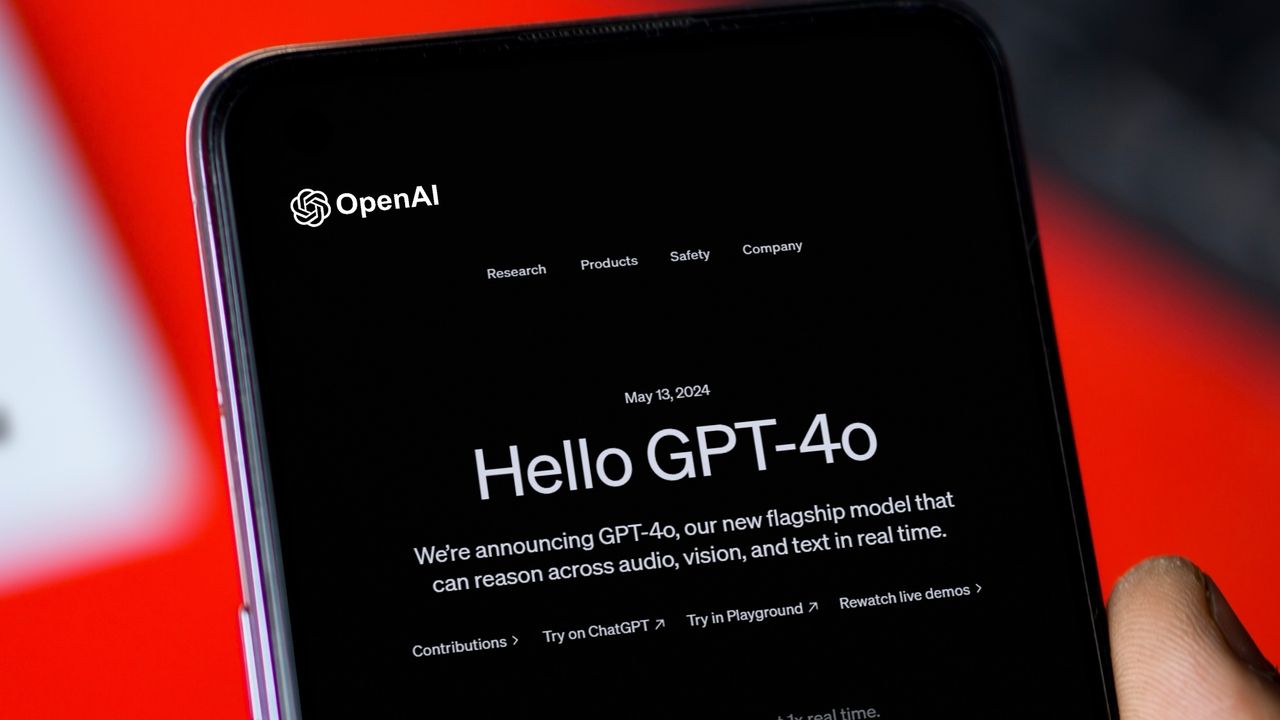
When OpenAI announced plans to retire several older models, one name stood out: ChatGPT‑4o. The model, once positioned as the company’s flagship “omni” assistant, is being phased out as newer systems become the default experience for most users.
This fan favorite was abruptly removed from the model picker when ChatGPT-5 launched, but was brought back for paid users after online backlash.
With new advancements, removing old models is part of the normal lifecycle of technology. Models improve, usage shifts, and companies consolidate resources. But ChatGPT-4o wasn’t just another version number. For many users, it represented a turning point — the moment AI began to feel significantly more like a conversational partner and useful assistant.
Before it disappears entirely, it’s worth remembering what ChatGPT-4o actually did well.
What ChatGPT-4o was known for
ChatGPT-4o earned its reputation as a multimodal assistant, meaning it could work across text, images and voice in the same conversation. That wasn’t entirely new at the time, but the way it blended those inputs felt smoother and more natural than earlier models.
It also developed a distinct personality in its replies — warmer, more expressive and often more conversational than the reasoning-heavy models that followed. While newer systems may outperform it in technical tasks, ChatGPT-4o carved out a different strength: approachability.
Here are seven areas where it quietly excelled.
1. Natural conversation flow
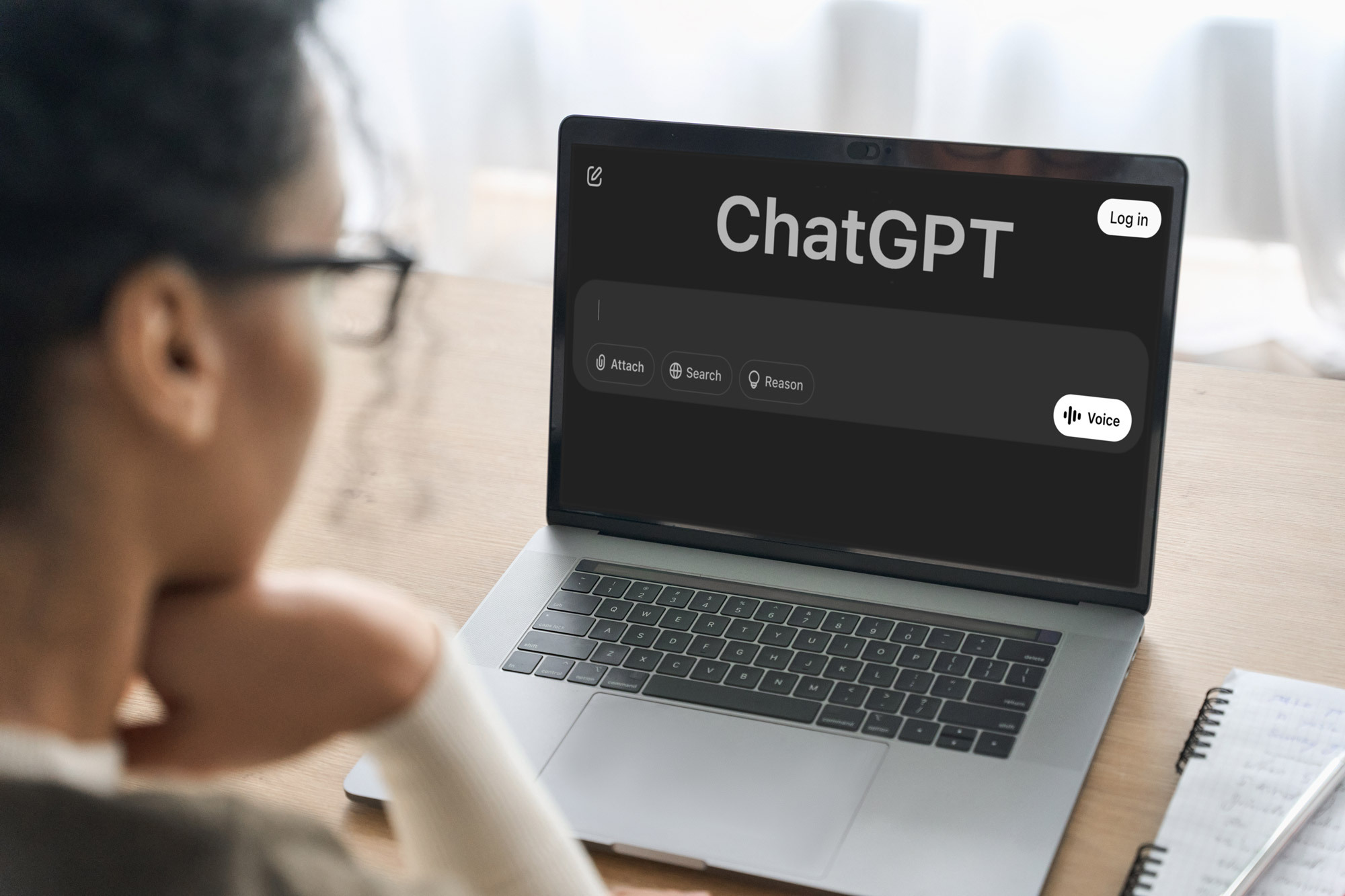
ChatGPT-4o often felt less mechanical in dialogue. Replies tended to mirror a user’s tone, pacing and phrasing instead of defaulting to rigid structure. That subtle rhythm made casual chats, brainstorming sessions and follow-up questions feel fluid rather than transactional.
Users frequently described conversations with it as “chatting” instead of “prompting,” which is a distinction few earlier AI tools managed to achieve consistently.
2. Intuitive image understanding

While many AI systems can identify objects in a photo, ChatGPT-4o was particularly good at contextual interpretation. It handled screenshots, menus, forms, and user interfaces clearly, often explaining what mattered without overloading the response with unnecessary detail.
For everyday tasks like troubleshooting an app screen or reading a receipt, its balance of brevity and accuracy stood out.
3. Real-time voice interactions
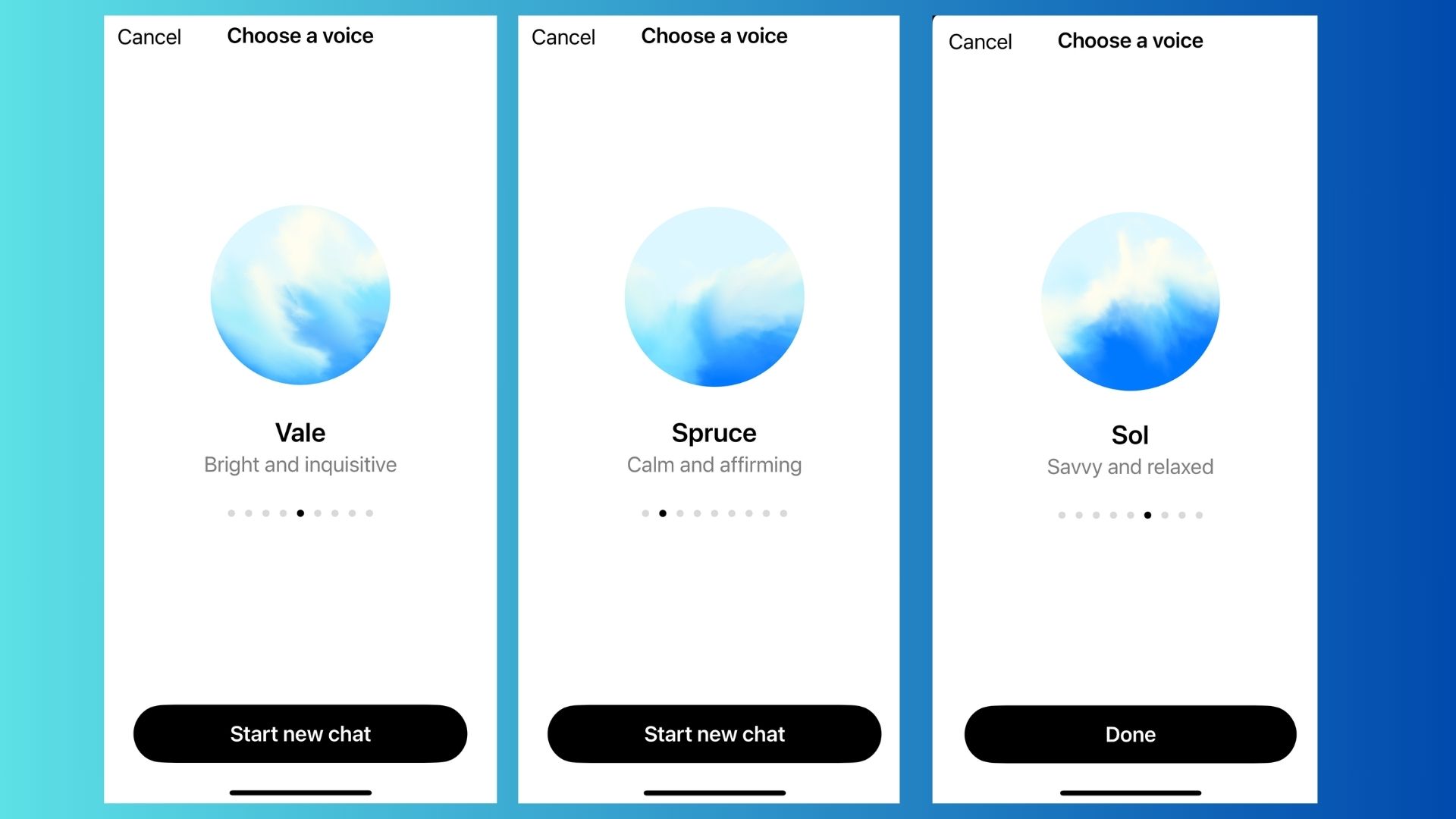
One of its most praised features was how responsive voice conversations felt. The lag between speaking and hearing a reply was shorter, interruptions felt more natural, and pacing resembled a real dialogue rather than voice dictation.
For users experimenting with hands-free AI assistance, this responsiveness made a noticeable difference. Personally, I used it to help me calm down during a panic attack. While it was no substitute for a therapist, it was helpful in a pinch.
4. A warmer, more expressive tone
ChatGPT-4o frequently leaned into humor, empathy and casual phrasing without sounding forced. It was more likely to acknowledge nuance or mirror emotional cues, which made it popular for journaling, creative writing and reflective prompts.
Where some newer models prioritize precision and logic, ChatGPT-4o often prioritized connection.
5. Smooth multimodal blending
Beyond supporting multiple input types, it excelled at blending them. Users could upload an image, ask a related text question and then switch to voice without resetting the interaction. The continuity across formats reduced friction and made the experience feel unified rather than segmented.
This was especially helpful for tutorials, DIY projects and visual troubleshooting.
6. Everyday productivity tasks

ChatGPT-4o wasn’t always the most analytical model, but it was efficient for daily use. Drafting emails, summarizing articles, generating checklists and organizing ideas often required fewer clarifications.
It tended to provide direct answers instead of over-analyzing simple requests — a trait many casual users preferred.
7. Accessibility for new users

Perhaps its most underrated strength was approachability. Explanations were clearer, jargon was limited, and instructions felt digestible. For people new to AI tools, ChatGPT-4o lowered the intimidation barrier and made experimentation feel safe rather than technical.
In that sense, it served as an introduction to AI for a broad audience, not just power users.
Final thoughts
Personally, I'm going to miss this model. As a power user, this was my favorite model and it was the main reason why I kept my ChatGPT Plus subscription.
For most people, the transition away from ChatGPT-4o will happen quietly. Newer models already power default chat experiences, and core capabilities like writing assistance, summaries and image analysis are not disappearing. Instead, OpenAI is consolidating around systems that handle a wider range of advanced reasoning and customization.
Still, ChatGPT-4o represents a moment in AI history when accessibility and personality briefly took center stage. It may not have been the most powerful model, but it was often the most approachable — and that quality helped shape expectations for what modern AI assistants should feel like moving forward.

Follow Tom's Guide on Google News and add us as a preferred source to get our up-to-date news, analysis, and reviews in your feeds.