Good morning.
Vladimir Putin’s invasion of Ukraine created the biggest geopolitical shockwave for business in decades. So it’s jarring that just a year and a half later, CEOs find themselves in the midst of another geopolitical shockwave nearly as large. This time, though, it’s not the direct economic impact that’s making the waves. The war has not spread—yet—to other parts of the region, and oil prices—so far—have remained calm. Instead, CEOs are struggling to manage a different problem—a boiling caldron of outrage that is roiling their teams, many of whom have been directly or indirectly affected by the conflict.
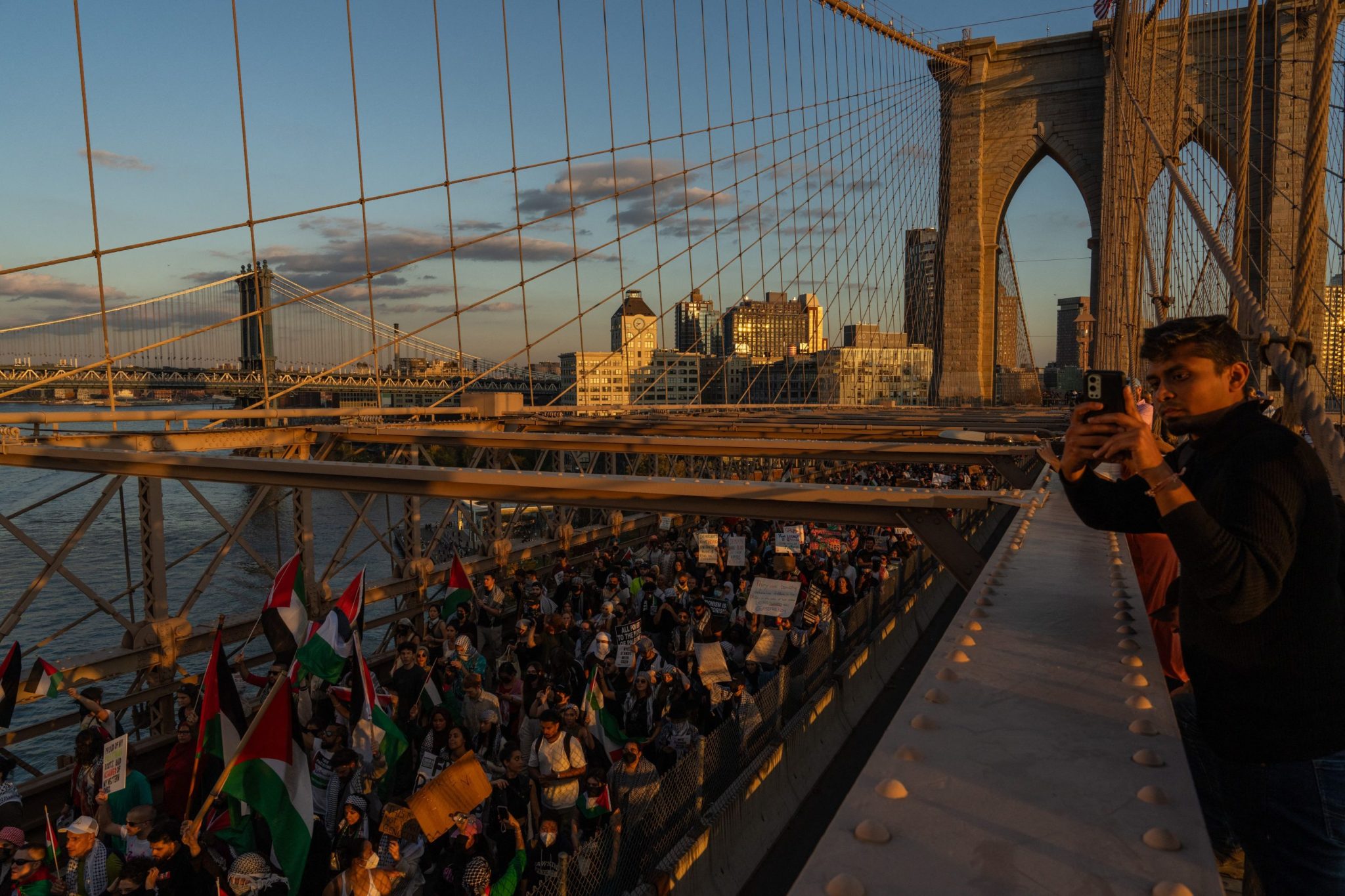
In the days after Oct. 7, some 150 companies issued statements condemning Hamas for its brutal attack on Israeli civilians. Now, many of those same companies are under pressure to issue equal condemnations of the bloodshed in Gaza. Companies that have said nothing are being attacked by both sides. Google CEO Sundar Pichai tried to walk the line by creating a fund to give grants to nonprofits benefitting civilians in Israel and Gaza—but was still attacked by employees for tilting too far towards Israel, which is a significant customer for Google cloud services. Starbucks took the unusual step of suing its own employees’ union after the group posted social media messages declaring “Solidarity with Palestine.”
Top communications advisers tell me they are fielding nonstop questions from CEOs on a broadening array of related issues. Does the killing of innocent women and children in Gaza merit any less outrage from corporate communicators than the killing of innocent women and children in Israel? If employees use internal company communication channels to push for the rights of Palestinians, is that inherently offensive to Jewish employees? Do statements of support for Israel translate into a denial of the rights of Palestinians? Should employees be allowed to participate in proliferating protests staged by both sides? Emotions on these issues are running high, and employees are looking to their employers for support.
There are no easy answers here…as college administrators have already learned. (Read about hedge fund manager Bill Ackman’s latest attack on Harvard here.) Indeed, as the carnage in Gaza grows, and antisemitic reactions spread, emotions will only become more intense and the answers will only get harder. It shows why CEOs in our most recent survey ranked geopolitics as their top challenge.
More news below. And for those interested in better understanding the mess unfolding in the Middle East, I’d recommend David Remnick’s excellent report in The New Yorker, which you can read here.

Alan Murray
@alansmurray
[email protected]