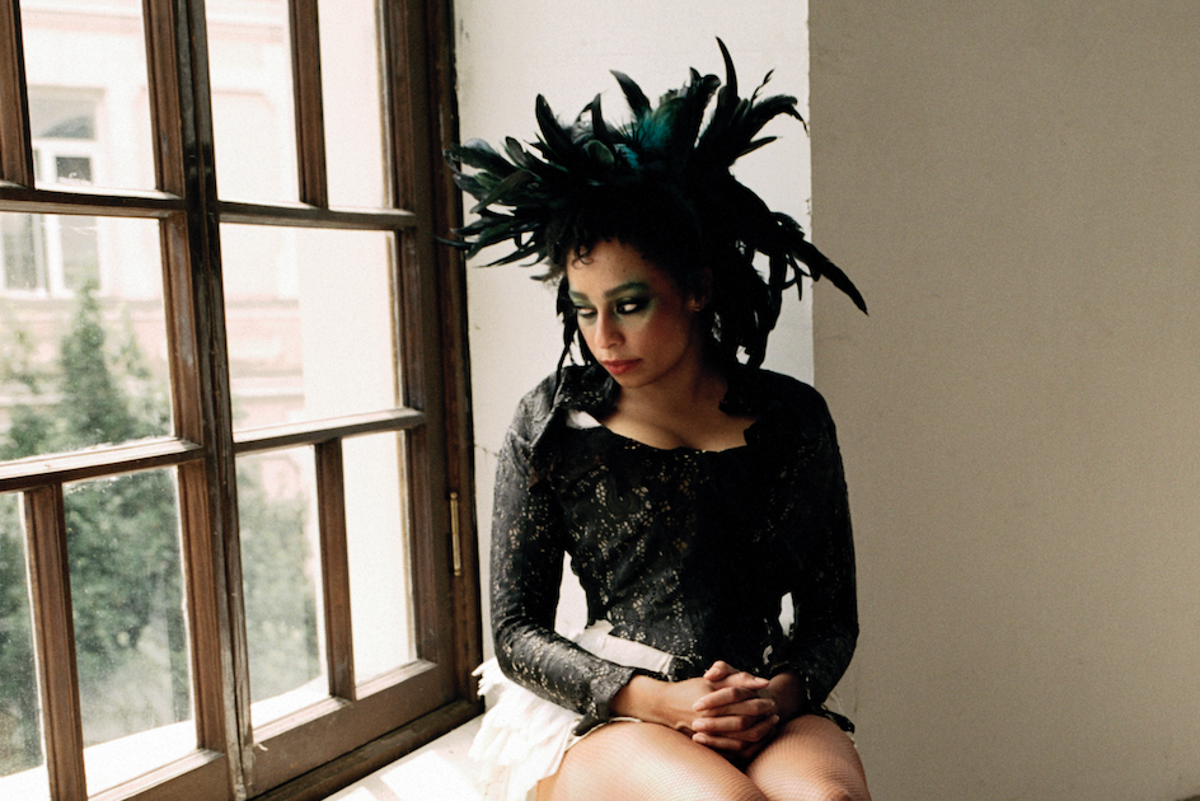
As an artist with one of the most distinctive voices in British soul music, Celeste is still struggling to make herself heard. The release of her second album, the tremendous Woman of Faces, should be cause for celebration. Yet in the weeks ahead of its release – and before this interview took place – the Mercury Prize-shortlisted singer accused her record label of showing “very little support” for the new project. She wrote in posts shared to social media that she felt she was being met with “a set of consequences for essentially not doing as I was told”.
“There was definitely a point where I was like, ‘I have to talk about what’s happened,’” the 31-year-old tells me. “Especially when you’re a singer, there’s something really important about the throat chakra being opened.” She cites Dr Gabor Maté, who has explored the connection between chronic stress symptoms among women – who account for 80 per cent of autoimmune disease cases – and a culture that tells them to be agreeable, compliant and, most crucially, quiet. “When I went into certain situations in the studio, I felt like I wasn’t really able to assert my own voice and my own vision,” Celeste says. She saw a video recently of another female artist expressing herself freely in the studio: “And I was thinking, I didn’t really get that moment.”