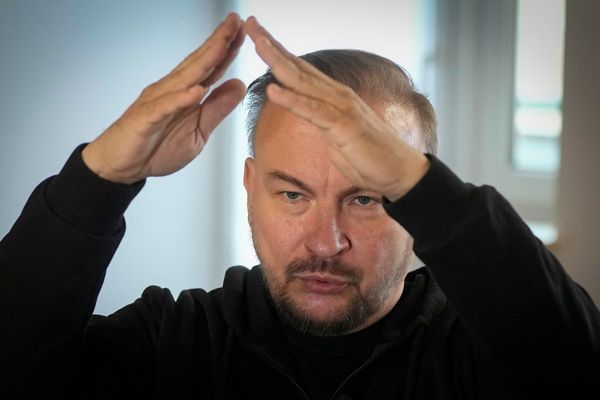
The cameras at the BAFTAs always catch something — an awkward smile, a rehearsed line, the faint exhaustion that leaks out when the lights hit. This year, Prince William gave them something else: a small, surprisingly blunt admission that he wasn't, as he put it, in a 'calm state.'
Prince William and Princess Kate arrive at the 2026 #BAFTAs.
— Pop Tingz (@PopTingz) February 22, 2026
pic.twitter.com/1xsHaOKKii
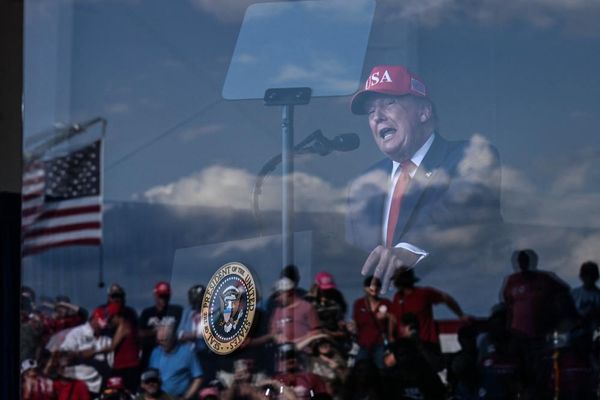
Princess Kate and Prince William arrive at the 2026 #BAFTAs. 🤍 @GettyImages pic.twitter.com/V8bXeJZfAF
— Marie Claire (@marieclaire) February 22, 2026
It landed with extra weight because the red carpet sat at the end of a bruising week for the royal family, after police arrested Andrew Mountbatten-Windsor — formerly the Duke of York — on suspicion of misconduct in public office linked to alleged sharing of confidential material with Jeffrey Epstein. Andrew was later released 'under investigation,' a UK status that means he is not charged, faces no bail conditions, and can be questioned again as inquiries continue.
On a map, the story jumps uncomfortably: Norfolk, Berkshire, Windsor, then straight back to London's Southbank for the BAFTAs. The choreography looks familiar, too: keep moving, keep smiling, say nothing that might ignite tomorrow's headlines.
The Cost of Staying Quiet
At the 2026 BAFTAs at the Royal Festival Hall, William and Kate were asked if they had watched Chloé Zhao's historical drama Hamnet. William replied: 'I need to be in quite a calm state and I am not at the moment. I will save it.' Kate, he added, had watched it the night before and ended up in 'floods of tears.'
The line read, on its face, like harmless movie-chat — except nothing about the monarchy feels harmless when a senior royal is under active police investigation. A Daily Mail-sourced report, echoed in US celebrity coverage, claimed William and Kate are 'itching to say something publicly' to distance themselves from Andrew, but feel constrained by the investigation. The same reporting framed William as 'frustrated' that Andrew's problems may remain on his desk long into the future.
Why Prince William Can't Speak While Police Act
In the UK, police will often refuse to name suspects, and public figures who comment recklessly can complicate proceedings or invite their own legal grief. Misconduct in public office, meanwhile, is a common law offense — rooted in court precedent rather than a single modern statute — which only adds to the haze around what prosecutors might ultimately argue.
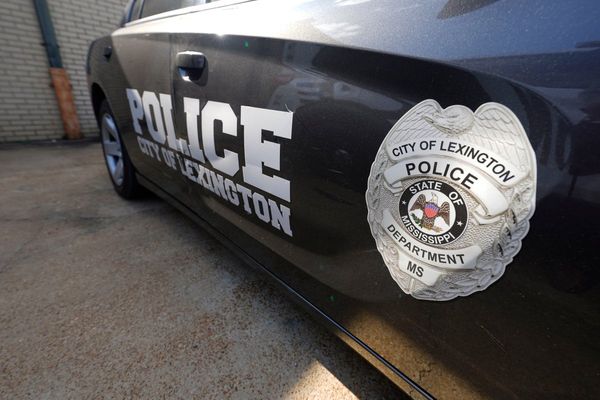
Thames Valley Police said it had arrested 'a man in his sixties' from Norfolk on suspicion of misconduct in public office and carried out searches at addresses in Berkshire and Norfolk. Later, the force said the man had been released under investigation, and that searches in Norfolk had concluded while work continued elsewhere. Al Jazeera reported the investigation followed claims that Andrew sent confidential trade material to Epstein, with scrutiny sharpened by recently released US Justice Department files that reportedly included emails.
Buckingham Palace, unusually, signaled openness to cooperation. In Al Jazeera's reporting, the palace said it was prepared to assist Thames Valley Police if approached, while stressing that addressing specific allegations was a matter for Andrew himself. Andrew, through prior public positions, has denied wrongdoing connected to Epstein.
As for King Charles — whose cancer treatment is now being 'scaled back' into what a palace spokesperson described as a precautionary phase — this is the last kind of stress test a recovering patient needs. Yet the institution around him is built to absorb scandal by staying impassive, even when the country is not. And Thames Valley Police, for its part, has promised updates only 'at the appropriate time.'