Get all your news in one place.
100’s of premium titles.
One app.
Start reading
International Business Times UK
World
Seneca Cabrera

Casey Means, Trump's Surgeon General Pick's Most Controversial Healthcare Stances — Vaccines, Pesticides, Psychedelics and More

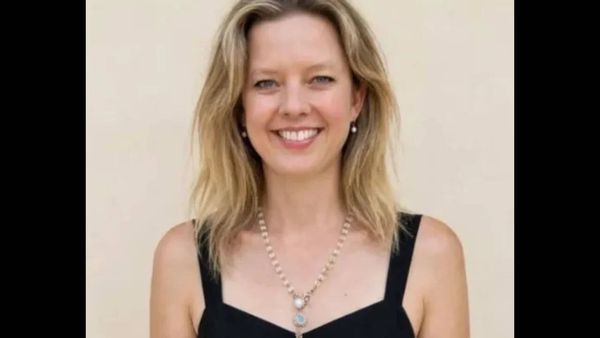
Surgeon General nominee Casey Means (Credit: Instagram/drcaseyskitchen)

Dr Casey Means, President Trump's nominee for Surgeon General, appeared before the Senate Health, Education, Labour and Pensions (HELP) Committee on 25 February 2026 to defend a medical philosophy that seeks to overhaul the American public health establishment. A 38-year-old former ear, nose, and throat surgeon turned wellness author, Dr Means has emerged as a primary architect of the 'Make America Healthy Again' (MAHA) movement. Her testimony was viewed as a pivotal moment for an administration seeking to pivot away from traditional pharmaceutical-led interventions.

During the confirmation hearing, Dr Means advocated for a 'root cause' approach to healthcare, focusing on the impact of ultra-processed foods and environmental toxins on metabolic health. She argued that the existing federal health infrastructure has failed by prioritising 'reactive sick care' over the prevention of chronic disease. This perspective has polarised the medical community, drawing praise from lifestyle medicine advocates while raising significant alarms among public health officials regarding her lack of bureaucratic experience.

The proceedings functioned as a broader examination of the Trump administration's health agenda, particularly its alignment with the views of Health Secretary Robert F. Kennedy Jr. Dr Means underwent several hours of questioning from senators across the political spectrum, seeking clarity on her positions regarding childhood immunisation and reproductive health. Throughout the testimony, her refusal to offer definitive 'yes or no' answers on long-standing medical protocols remained the primary source of friction.

Vaccination and the 'MMR' Debate

The most significant tension during the hearing involved Dr Means' nuanced position on childhood vaccinations. While she categorised herself as 'supportive of vaccination' in a general sense, she declined to provide a blanket recommendation for the measles, mumps, and rubella (MMR) vaccine. Instead, she argued that immunisation schedules should be a matter of 'informed consent' discussed privately between parents and paediatricians, a stance that critics argue could undermine herd immunity.

Regarding the Hepatitis B vaccine, Dr Means reiterated her belief that it is 'not necessary for all children on the first day of life'. This specific position reflects a growing scepticism within the MAHA movement, despite warnings from liver specialists that early vaccination is critical for preventing chronic infection. When pressed on the discredited link between vaccines and autism, she acknowledged the lack of evidence for such a connection but noted that 'science is never settled', a phrase that drew sharp rebukes from committee members concerned about the resurgence of preventable diseases.

Agricultural Reform and Pesticides

Dr Means also turned her focus to the American food system, which she labelled as being 'dependent on toxic chemicals'. She advocated for an eventual 'pesticide-free world' and encouraged a national shift towards organic consumption. Senators noted a conflict between this vision and the administration's economic policies, specifically executive orders that have previously supported the production of glyphosate.

In response, Dr Means suggested that any transition away from current industrial farming must be 'thoughtful' to prevent destabilising the agricultural economy. She maintained that the Surgeon General's office should lead the investigation into how cumulative chemical exposures contribute to the American obesity and diabetes epidemics.

Psychedelics and Reproductive Health

The hearing took a personal turn when Senator Susan Collins questioned Dr Means on her previous endorsements of psilocybin, or psychedelic mushrooms, for therapeutic use. Dr Means clarified that while she has explored these substances in a private capacity, she does not currently view them as a broad public health tool.

The nominee also faced scrutiny for her criticisms of hormonal birth control, which she has argued is often over-prescribed. Dr Means suggested that women are frequently under-informed regarding the risks of stroke and cardiovascular issues associated with the pill. She argued that the medical community should instead prioritise 'diet and behaviour' to manage hormonal imbalances, a position that reproductive rights advocates argue oversimplifies complex gynaecological conditions.

As the committee moves toward a final vote, the debate over Dr Means' nomination continues to centre on whether her 'root cause' philosophy represents a necessary correction or a risk to established public health safety.

Sign up to read this article
Read news from 100’s of titles, curated specifically for you.
Already a member? Sign in here
Related Stories
Top stories on inkl right now
One subscription that gives you access to news from hundreds of sites
Already a member? Sign in here
Our Picks
Fourteen days free
Download the app
One app. One membership.
100+ trusted global sources.