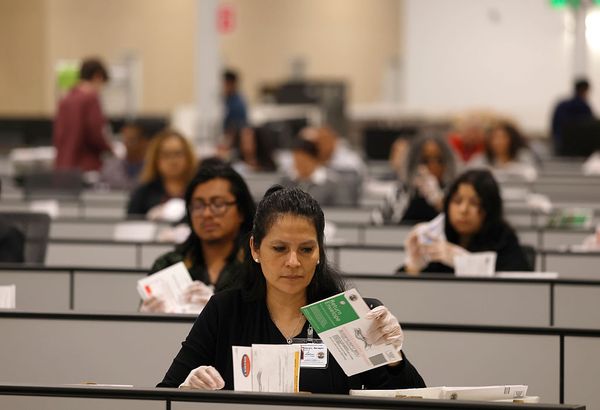
In voting to exclude Iowa’s early caucuses and sandwich New Hampshire’s primary between those of South Carolina and Nevada, a key Democratic panel finally recognized the need for early tests that represent the party’s diversity.
At the same time, however, its plan risks losing something that may be equally important in choosing a president: a place where both little-known hopefuls and well-known officeholders have to make their case to — and answer questions from — small, interested groups of voters.
For more than a half-century, Iowa and New Hampshire have played that role, launching the candidacies of long-shot future presidents like Jimmy Carter and Barack Obama, choosing between Carter and Sen. Ted Kennedy and showing the vulnerabilities of pre-primary favorites like Hillary Clinton.