Get all your news in one place.
100’s of premium titles.
One app.
Start reading
The Independent UK
The Independent UK
Bryony Gooch

Carbon monoxide – the hidden ‘killer’ of the fuel poverty crisis

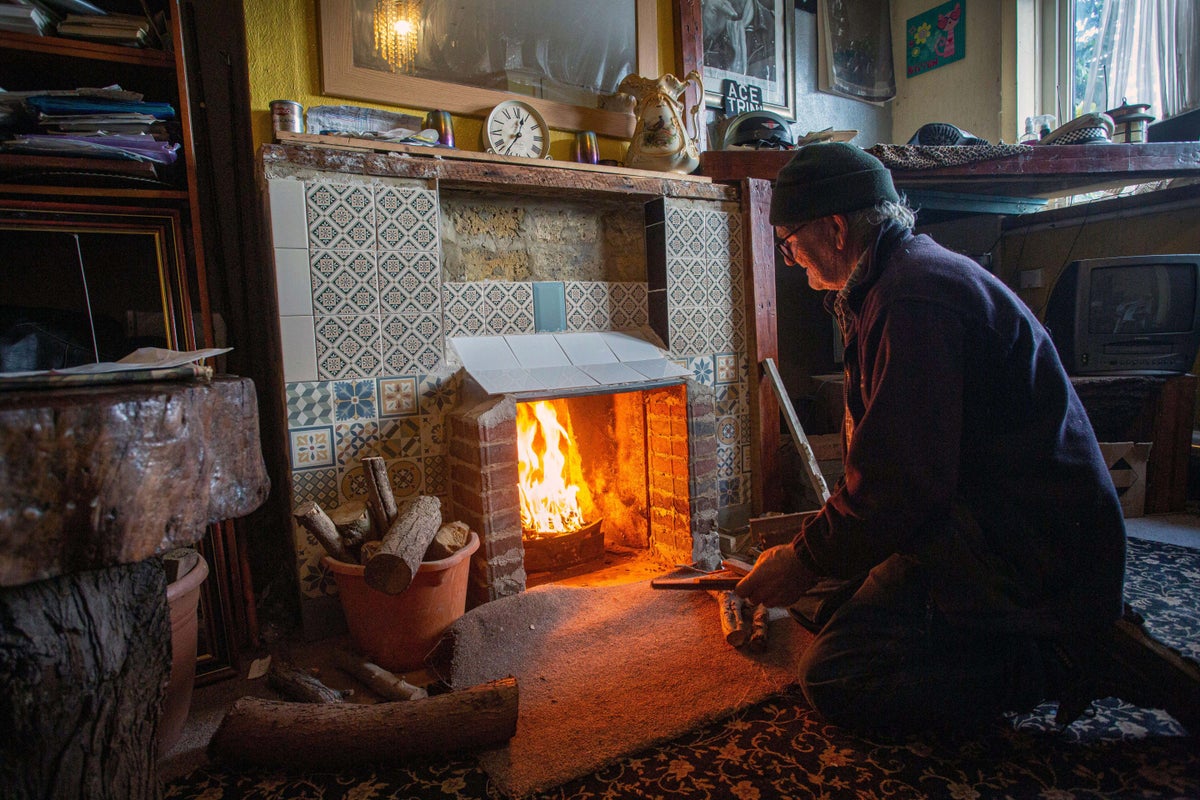
The government is planning to increase minimum energy standards to tackle cut energy bills and emissions - (PA/Alamy)

People living in fuel poverty are at higher risk of being exposed to carbon monoxide poisoning, new research reveals, as experts issue fresh warnings over the dangers of the hidden killer.

Those living in cold and damp homes are more likely to face danger from the toxic gas as issues such as poor insulation, ageing boilers and unaffordable repair costs combine to create unsafe living conditions.

Experts say the research, shared with The Independent, exposes a “deadly intersection” between poverty, poor housing and gas usage – with a “clear trend” showing those at the heart of the fuel poverty crisis are more likely to be put at risk.

Simon Francis, from the End Fuel Poverty Coalition, said: “The fact that people living in cold and damp homes are significantly more likely to experience carbon monoxide problems exposes a deadly intersection between poverty, poor housing and our continued reliance on gas.

“People in fuel poverty are more likely to be trapped in older, badly maintained or poorly ventilated properties – dramatically increasing the risk of carbon monoxide exposure.”

The research shows that those who say they live in a cold, damp home were more than twice as likely to experience high levels of carbon monoxide in their homes in the past 12 months, compared with UK adults overall.

Seven per cent of UK adults had issues with high levels of carbon monoxide in the past year, while 18 per cent of people who were unable to heat their homes reported issues with the toxic gas.

The survey of 2,000 UK adults also showed that certain groups were significantly more likely to report carbon monoxide problems, which were especially prevalent among 18- to 34-year-olds (16 per cent) and households with children under 18 (11 per cent).

David Rudge was hospitalised with carbon monoxide poisoning last year (Cadent Gas)

Mr Francis said those who cannot get on the housing ladder are particularly vulnerable.

“In rented accommodation, tenants may feel unable to report safety concerns for fear of eviction or rent rises. That creates a toxic situation where serious hazards go unreported, life-threatening faults remain unfixed and vulnerable households are left exposed to an invisible killer,” he said.

“Ending fuel poverty is not just about lowering bills. It means tackling unsafe housing, strengthening tenants’ rights and moving away from fossil fuel systems that put people’s health at risk every winter.”

David Rudge, a father of six who was hospitalised with carbon monoxide poisoning last year, told The Independent that not enough people were aware of the “silent killer” gas that could be leaking in their homes.

“You tend to hear the stories of it being in nursing homes and hotels and you know it’s a danger of some sort, but until it actually comes to you, I don’t think people realise the importance of this silent killer,” he said.

Mr Rudge, who delivers sandwiches in Blackpool, was forced to move out of a flat above a shop, around the corner from where his former partner lived with four of their children, after a carbon monoxide alarm installed by his landlord just days before went off late one night.

In the UK, it is illegal for landlords not to have carbon monoxide detectors in properties with fuel-burning appliances. (Getty/iStock)

After calling the gas company, the engineer, Abu Bobat, immediately noticed that Mr Rudge’s eyes were drooping as the 61-year-old said he was experiencing headaches and nausea.

UK Health Security Agency data collected between 1998 and 2019 found that 51 per cent of carbon monoxide poisoning fatalities in England and Wales occurred in people from the two most deprived quintiles of the population.

Rebecca Close, principal environmental epidemiologist at UKHSA, said: “Overall trends show that deaths due to inintentional, non-fire related (UNFR) carbon monoxide (CO) poisoning in England and Wales have decreased over time.

“However, fatalities still occur, and UK Health Security Agency (UKHSA) data collected between 1998-2019 shows a clear trend of increasing mortalities with increasing deprivation.”

Meanwhile, almost one in three members of the general public (31 per cent) say they do not have a working carbon monoxide detector in their home, the research shows.

Ms Close added: “Prevention strategies should target not only increasing awareness of the dangers of CO, but also the correct installation and maintenance of CO alarms, especially in places that people often forget about such as in garages, outbuildings, and temporary accommodation. The proper installation and annual testing of domestic gas and fuel-burning appliances is also important.’’

Rudge, a father of six, said that he was grateful to Bobat, who noticed his eyes were drooping (Cadent Gas)

Phil Burrows, head of customer vulnerability at gas company Cadent, said the company was seeing more of a link between fuel poverty and carbon monoxide exposure as people living in cold, damp homes blocked up ventilation to stop heat escaping from the property or felt unable to open windows.

“When you’re in fuel poverty and there’s not a lot of spare money around, one of the challenges people are making is really difficult decisions about getting appliances serviced,” he said. As a result, it usually “falls off the radar” because people haven’t got the funds to provide the basics for heating their homes, he said.

“What we’re finding is a lot of people aren’t having maintenance done on their gas appliances,” he said. “Or perhaps they’re making do with appliances longer than they would normally because they can’t afford to replace them and they’re probably not in the condition that they should be in.”

When a gas appliance isn’t maintained properly, there is a greater risk of emitting carbon monoxide through incomplete combustion.

“A lot of gas appliances rely on ventilation to effectively burn and also to dissipate carbon monoxide,” he said. “Again, this is all linked to the costs associated with heating homes.”

A Ministry of Housing, Communities and Local Government spokesperson said: “No one should be forced to live in a dangerous home, and we are taking decisive action to give people safety and security by clamping down on dangerous hazards.

“Our landmark Awaab’s Law will force landlords in the social rent sector to fix hazards more quickly, including carbon monoxide emergencies, with tenants able to hold their landlord to account through the housing ombudsman or the courts.”

Sign up to read this article
Read news from 100’s of titles, curated specifically for you.
Already a member? Sign in here
Related Stories
Top stories on inkl right now
One subscription that gives you access to news from hundreds of sites
Already a member? Sign in here
Our Picks
Fourteen days free
Download the app
One app. One membership.
100+ trusted global sources.