
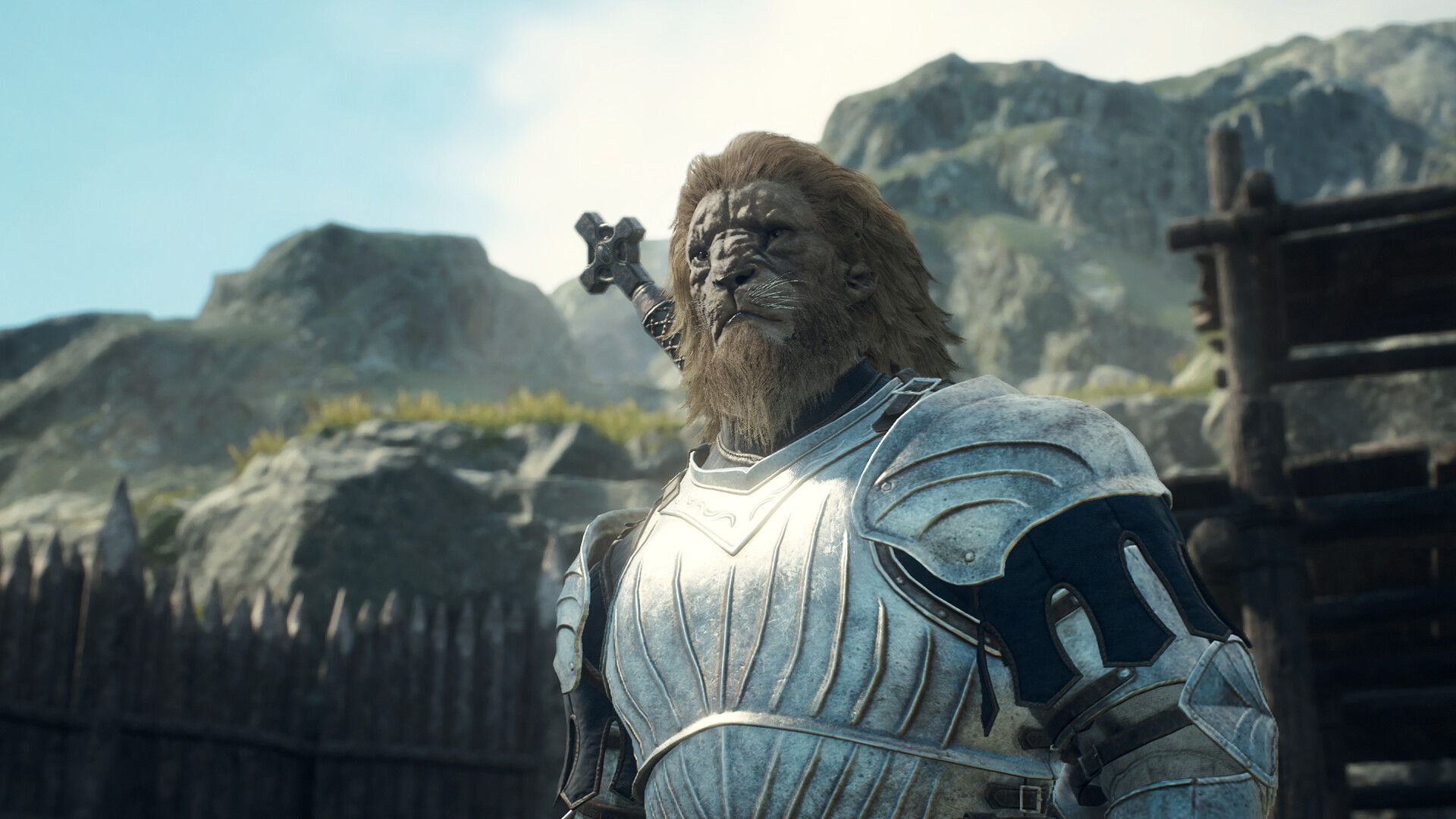
Whether you love it or hate it, one thing you can't deny about Dragon's Dogma 2 — one of this year's biggest and most divisive games — is that it stands out. When it launched six months ago in March, many players were caught off-guard by the action RPG's friction-heavy world structure and gameplay design that stands in stark contrast to the majority of its peers. Conveniences and features like generous fast travel, easily accessible ways to save progress or rest your character, and fluid combat mechanics are the norm in most open-world titles, but Capcom bucked those trends when building the highly anticipated sequel.
Instead, Dragon's Dogma 2 makes you put in serious effort for just about everything, from spending a hefty amount of coin at an inn or hunting down a campsite to save to playing around a somewhat clunky physics-driven combat system to figuring out complex questlines with only minimal hints in-game. There is fast travel, but only a few major settlements have a Portcrystal you can warp to; any others have to be found and placed yourself, and your ability to teleport anywhere is limited by the scarce availability of the Ferrystone consumable.