
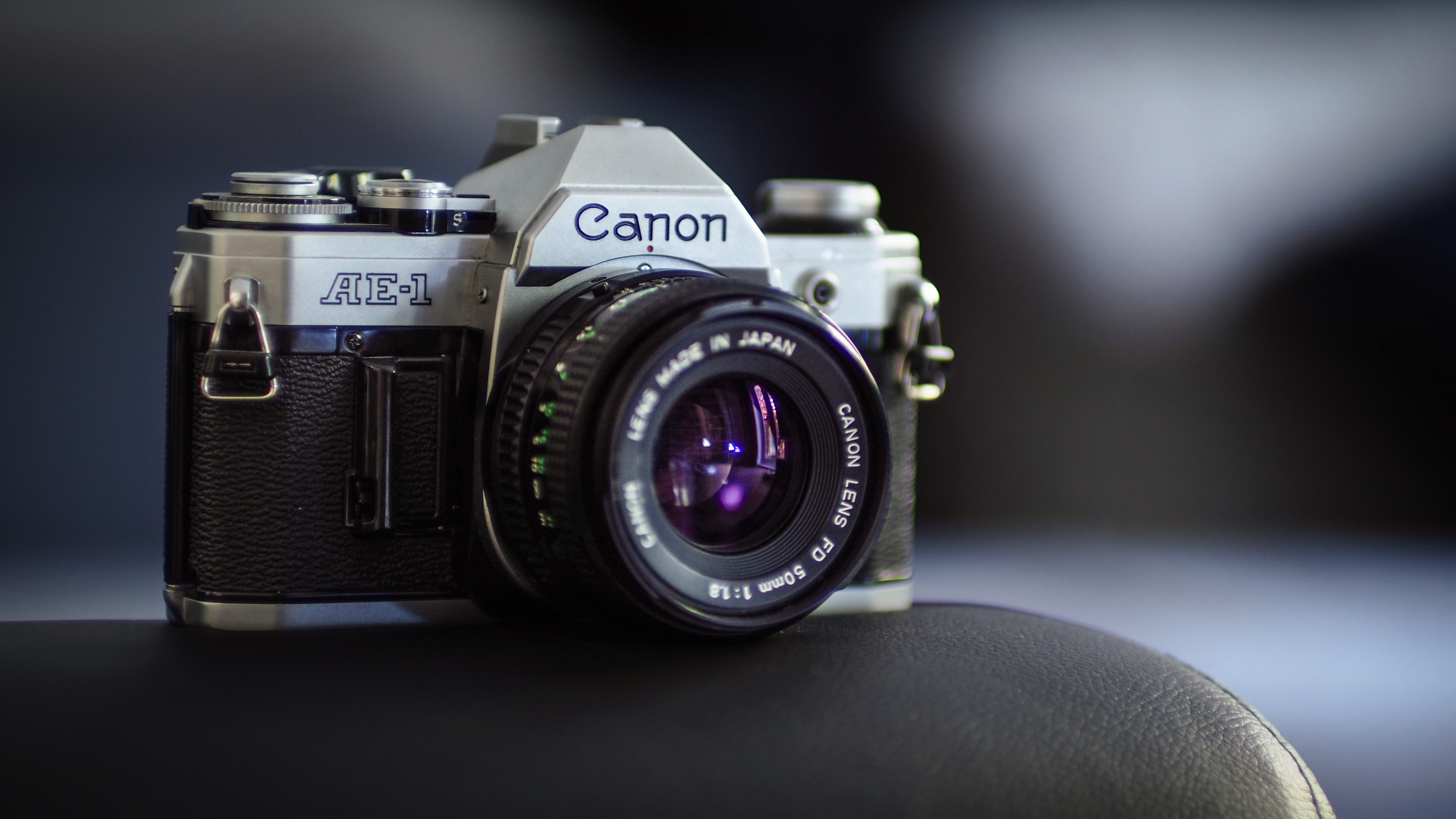
During the 1960s considerable advances were made in micro-electronics – notably integrated circuits or ‘microchips’ – which would eventually have far-reaching effects on the design and manufacture of many consumer products. By the start of the 1970s, the race was on to incorporate these new technologies into cameras that, up until then, had been mechanical instruments.
The most significant advance came in 1976 when Canon unveiled the AE-1, now generally accepted as the first camera to employ a microprocessor to control its exposure operations. Following the Canon AE-1, the initials ‘CPU’ were burned into the consciousness of 35mm SLR buyers although, as with all technological advances in photography, this increased automation was initially viewed with mistrust by many who believed mechanical cameras were more reliable.