Autism is a spectrum disorder, which means it manifests differently in each individual, and this limits the scope of understanding around this disease. The broad range of behaviors, abilities, and challenges associated with autism often causes confusion, making it difficult for people to recognize that it affects individuals in unique ways. There is a significant amount of misinformation and myths surrounding autism due to several factors, including limited awareness, outdated beliefs, and the complexity of the condition.
Historically, autism was poorly understood, leading to incorrect assumptions about its causes and treatment. For instance, early theories wrongly blamed bad parenting or emotional trauma for autism, contributing to stigma and misguided blame. Despite advancements in research, these outdated ideas sometimes persist.

One common myth around autism has discouraged many parents to vaccinate their babies. The myth compels parents to believe that autism is caused due to vaccination.
The myth stems from a group of researchers
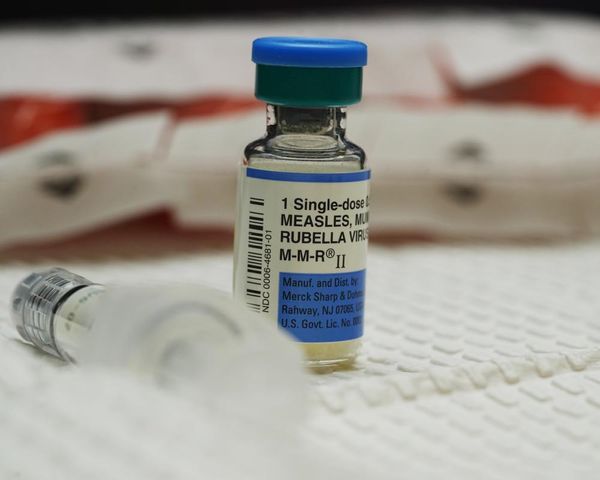
In 1998, a group of British researchers stated that the measles-mumps-rubella (MMR) vaccine caused autism. England's General Medical Council discarded the paper, but by that time it had already stirred concern and debate worldwide. Eventually the journal that published the study retracted it and several studies that followed after the findings of the study were out did not find any scientific reason to back that vaccines caused autism.
The researcher in question was Dr. Andrew Wakefield. A research paper explains: Initially, Wakefield reported that the measles virus was responsible for the colonic lesions seen in Crohn disease. Although this theory was soon disproved and put to rest, Wakefield was impressed by cases brought to his attention in which apparently normally developing children manifested autistic symptoms shortly after administration of the MMR triad vaccine. Despite his previous blunder with Crohn disease, he hypothesized that the measles virus had triggered inflammatory lesions in the colon, disrupting the permeability of the colon through which neurotoxic proteins reach the bloodstream and the brain, thus causing autism.
Why vaccination is important for kids and why parents should not neglect it?
Vaccination is crucial to children since it protects them from other serious diseases, such as measles, polio, and whooping cough. It enhances the immunity in kids, making them able to fend off the infection. Therefore, immunization not only guards the health of children but the society at large; it limits such diseases from affecting vulnerable people or those without an adequate defense mechanism, such as babies and the elderly. In addition to lapses in vaccination, this increases the chances of outbreaks among children and subjects them to preventable diseases. Getting vaccinated is safe and effective in providing long-term health to the body and preventing undue suffering.