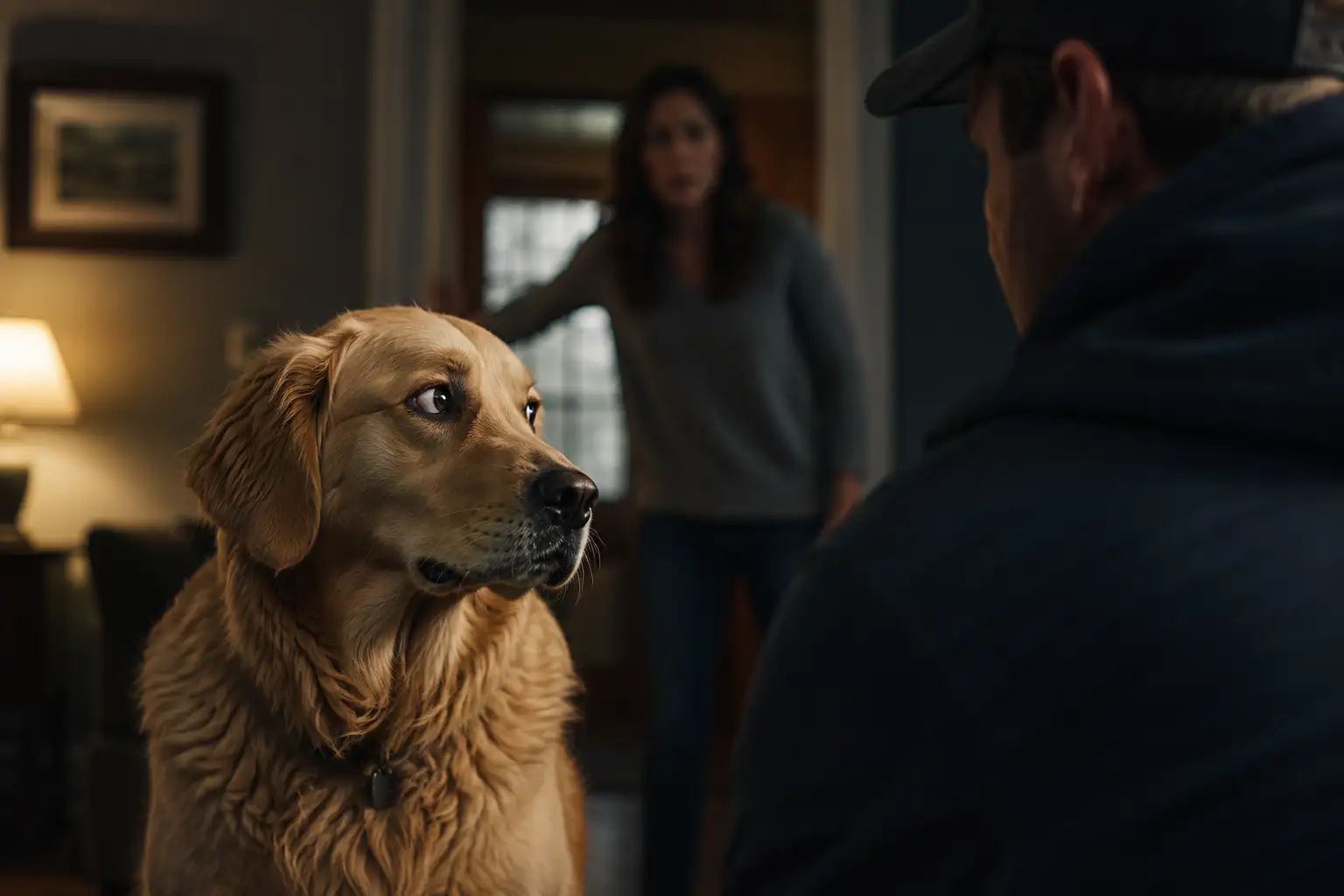
Every dog owner has witnessed it at least once. A usually friendly dog suddenly becomes cautious around one visitor while happily greeting someone else. While there is no scientific evidence that dogs can detect whether someone is morally "good" or "bad," researchers say dogs are exceptionally skilled at reading human behavior. They notice subtle differences in body language, facial expressions, voice, movement, and even scent that people often miss.
These remarkable abilities have evolved over thousands of years of living alongside humans. Instead of making moral judgments, dogs gather clues from their surroundings to decide whether a person appears safe, familiar, nervous, or threatening. Scientists continue to uncover how these instincts work, offering new insights into why your pet reacts differently to different people.
Can your dog sense when something feels off about a person? Scientists reveal what your pet may actually be detecting
Dogs don't meet strangers the way humans do. Their first impression is built using multiple senses at the same time. Before someone even speaks, a dog may already have gathered information through scent, posture, walking style, and facial expressions.