Amid escalating tensions surrounding pro-Palestinian encampments at various universities across the United States, a wave of arrests has unfolded in recent weeks. The demonstrations, in solidarity with Palestinians and against the conflict in Gaza, have led to over 100 arrests at Columbia University in New York, as well as at Yale University, the University of Texas at Austin, the University of Southern California, Emory University in Atlanta, and Emerson College in Boston.
These arrests come in the context of heightened emotions following the October attack by Hamas on Israel and the subsequent Israeli response in Gaza, resulting in significant casualties on both sides. The use of law enforcement and disciplinary actions by universities has sparked a debate over the balance between free speech and campus safety.
While students maintain that their protests are peaceful, university administrators have cited disruptions and safety concerns as reasons for crackdowns. The involvement of police in handling campus demonstrations has raised questions about the impact on trust between students and institutions.
Amid global discussions on the US role in the conflict and the upcoming elections, the crackdown on protests has been seen as a response that avoids engaging with student demands, which often include calls for divestment from companies supporting Israel.
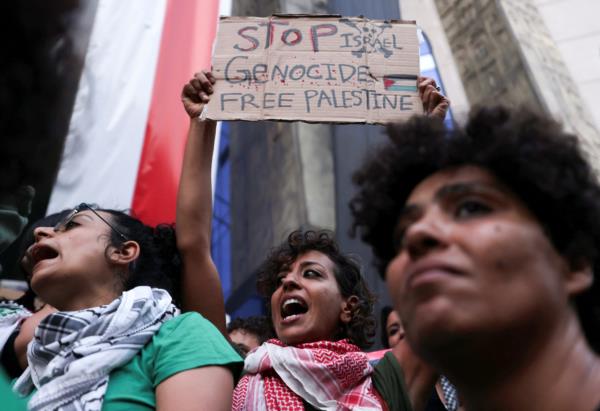

Despite the risks of consequences, including arrests and expulsions, student protesters remain committed to their cause. Instances of disciplinary actions, such as the expulsion of students at Vanderbilt University and suspensions at other institutions, have drawn attention to the challenges faced by activists.
The recent incidents at universities like Brown, Harvard, and Pomona College highlight the growing tensions between student protesters and university administrations. The use of police force and disciplinary measures has underscored the complexities of addressing political activism on college campuses.
As the academic year draws to a close, the aftermath of these protests raises broader questions about the limits of free speech, the role of universities in political discourse, and the consequences of civil disobedience in a charged environment.