
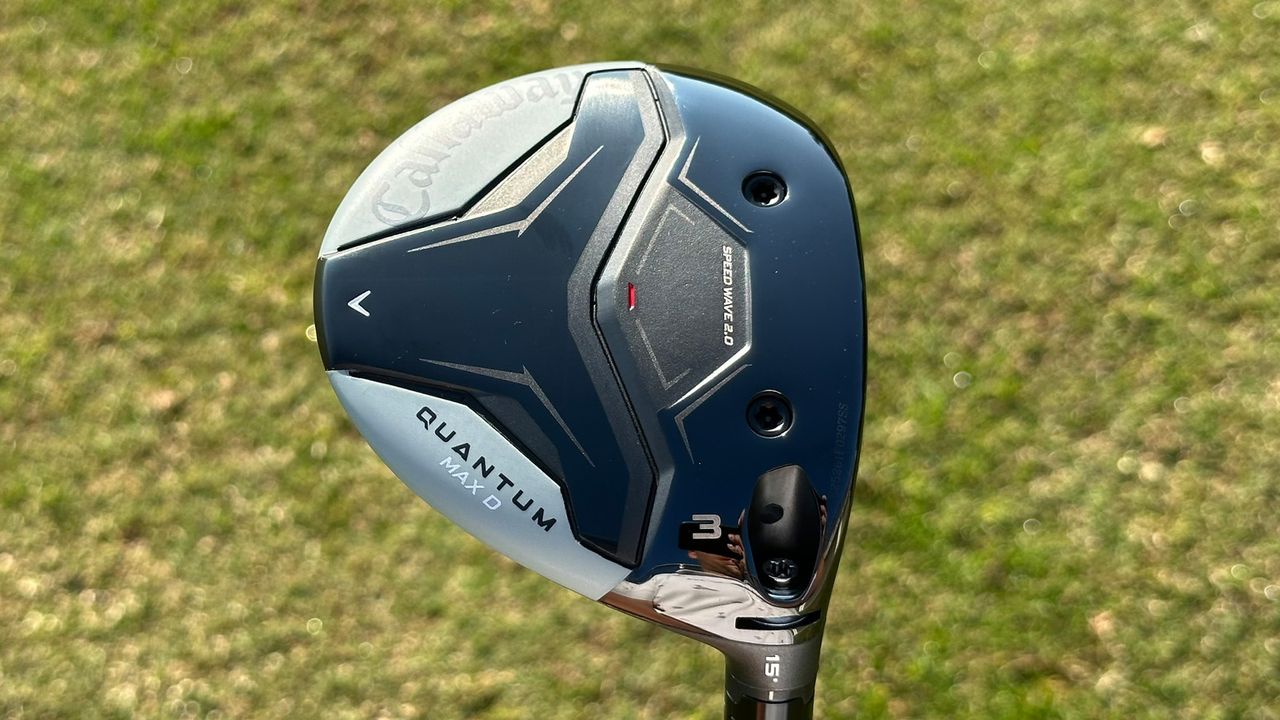
Callaway has always been good at creating a variety of fairway woods that target different player profiles, and the new Quantum lineup for 2026 is no different. Sitting alongside the Quantum Max and the low-spinning Quantum TD, the Quantum Max D is the model designed specifically for forgiveness and golfers who are battling a slice.
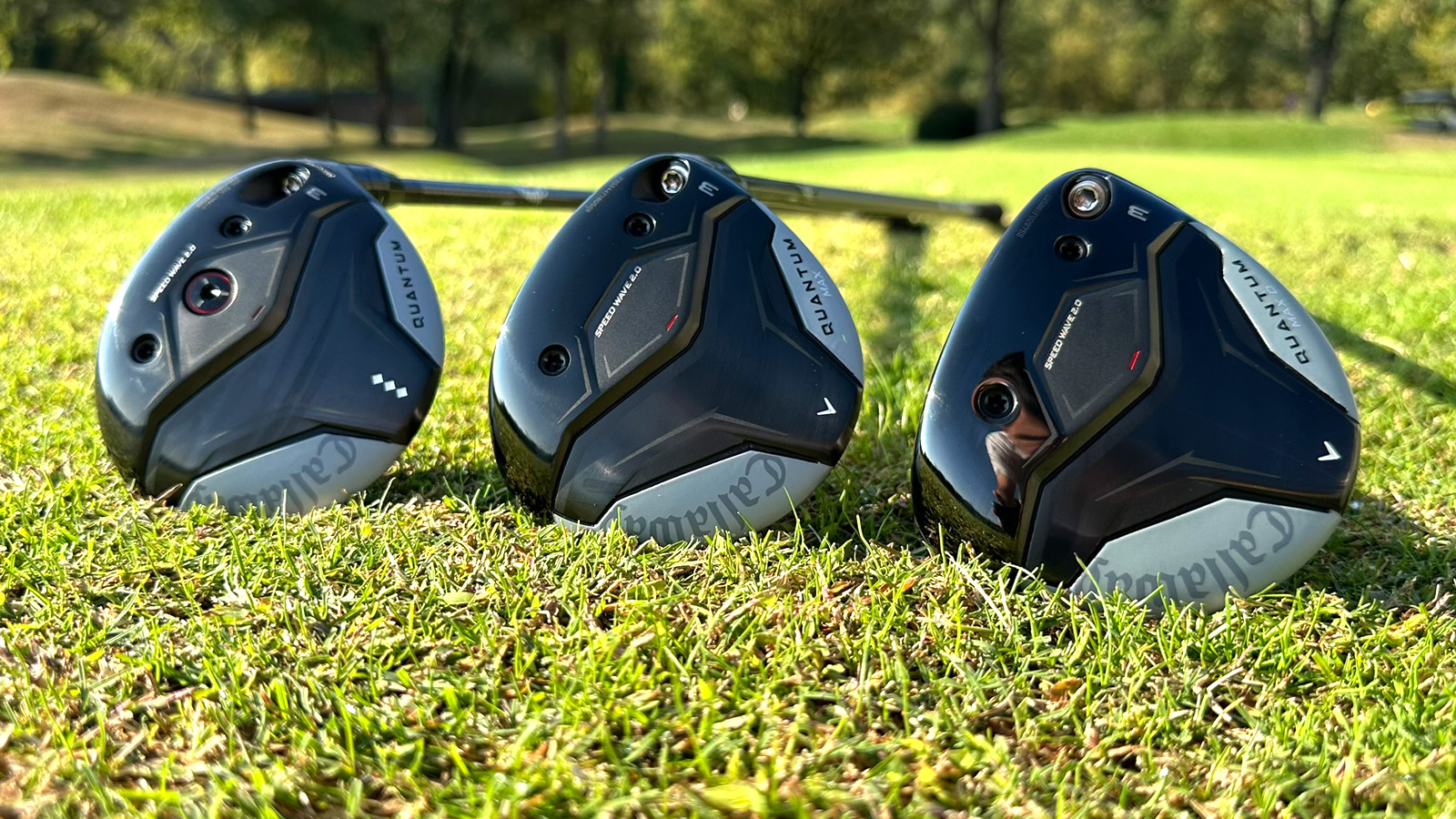

Having tested the other two models, I was keen to see how the Max D would compare, particularly about its promise to help those who struggle with a slice or struggle with a lack distance on off-center strikes. I tested the 3-wood indoors on a Foresight Sports GC3 launch monitor and outdoors on the course to see if the performance matched some of the most forgiving fairway woods on the market.

The first thing I noticed when setting the Quantum Max D down behind the ball is just how different the profile is compared to its siblings. It’s not massively larger than the Max model, but it’s a significant increase compared to that of the Triple Diamond. The face is noticeably shallow, and the head elongated, sitting with a slightly closed face angle at address - something those who struggle with a slice will appreciate.

For the better player who prefers a square or open look, this head may not appeal to you initially, but the adjustable hosel means you can play around with the loft and lie angles to change that. For those new to the game, though, the shallow, large head is incredibly reassuring behind the ball, and I think it will become one of the best fairway woods for higher handicappers this year.
Callaway has certainly prioritized forgiveness with this head, and despite featuring the same Speed Wave 2.0 tungsten weighting, this head pushes the CG lower and further back towards the heel to promote a right-to-left ball flight (for a right-hander) and increase launch angle.

Furthermore, the Step Sole technology that is on each of the Quantum fairway wood models has been refined to improve turf interaction no matter the lie you face. I absolutely love this feature and couldn’t believe how much it helped when navigating tricky lies on the golf course.
As you can see from the data, the ball speed remained relatively high at 155 mph, proving that the face is still plenty hot when striking the ball out of the middle of the face, however the CG placement produced a launch angle of 12.4°, which is pretty high for a 3-wood.

The trade-off with this fairway wood compared to the others in this range is the spin. At 4150 rpm, the spin was definitely on the higher side, and for me, this resulted in a ball flight that was a little too high and spinny. While I might have lost some run-out compared to a lower-spinning model, this flight is exactly what many amateurs are in search of, seeking extra carry.
The feel through impact with the Quantum Max D is really solid, and despite some draw-biased woods sounding a bit tinny or hollow because of weight distribution, Callaway has done a great job dampening the acoustics here.
The Callaway Quantum Max D isn’t for everyone - more of a specialist tool that will be of huge help to a number of amateur golfers. It won't suit the faster swinger of the club who wants a low-spinning rocket launcher, but it isn't trying to be that. If you are a golfer who lacks confidence with a fairway wood in hand, fights a slice, or struggles to get the ball airborne, I think this is arguably one of the most complete options on the market right now.