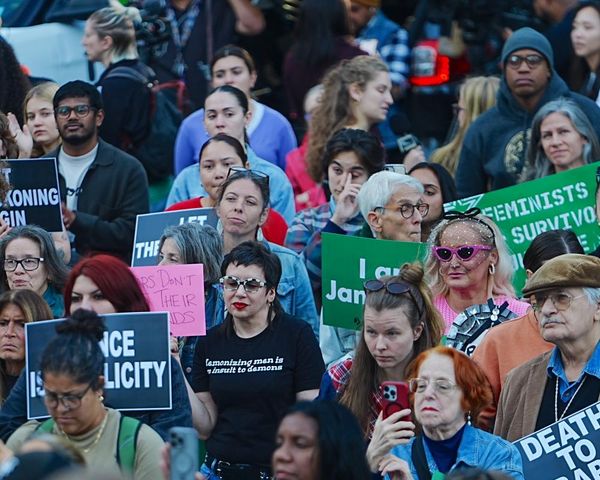
The existence of white privilege, the idea that unseen, unconscious advantages afforded to white people shapes systemic injustice, has been hotly contested since the term was popularized by women’s studies scholar Peggy McIntosh in 1988. Many working class and poor whites have questioned how they could possibly experience privilege while living through things like food insecurity, lack of medical care or stable housing, and low quality schools.
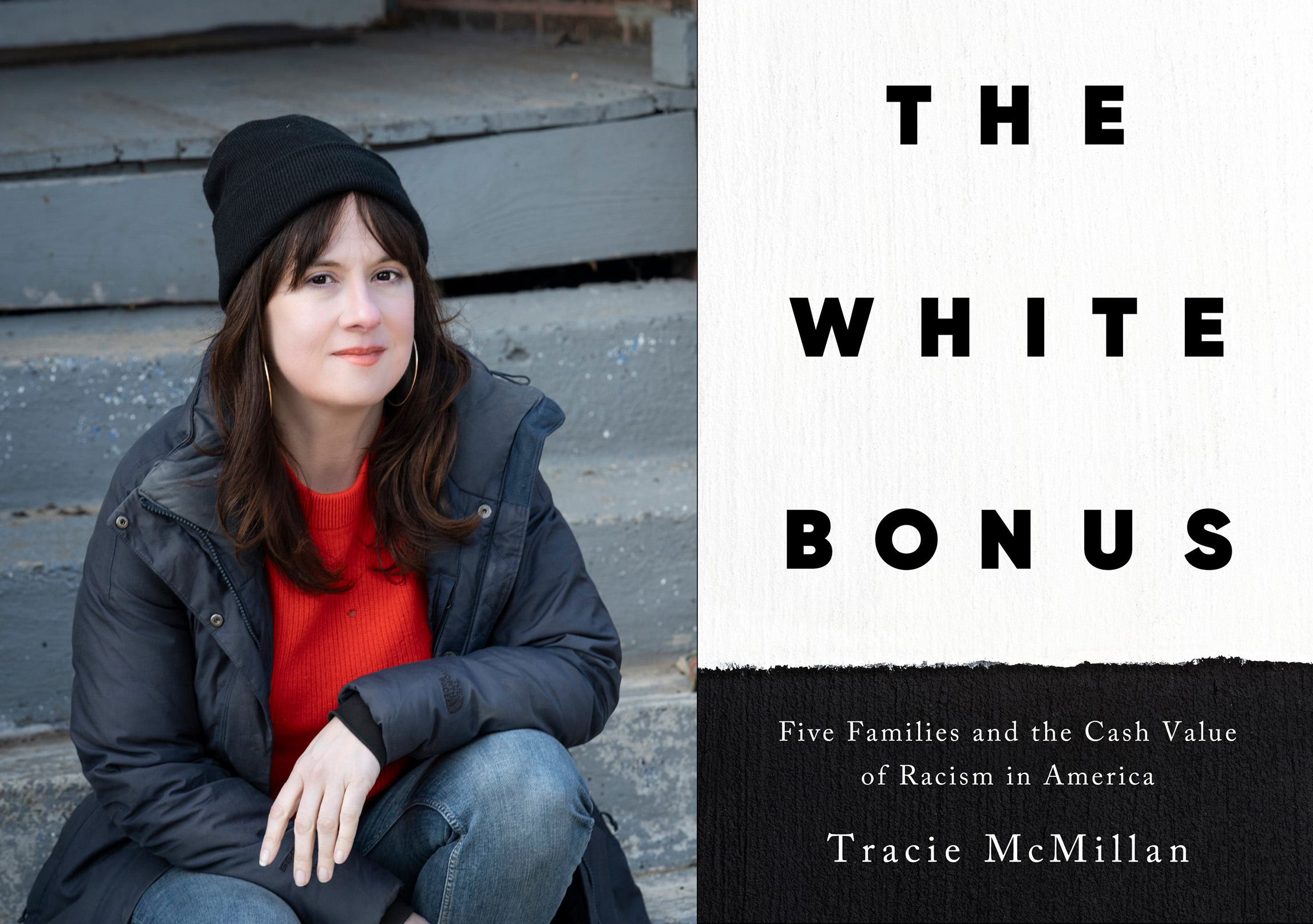
In The White Bonus: Five Families and the Cash Value of Racism, poverty and labor reporter and Capital & Main contributing editor Tracie McMillan seeks to put a dollar amount on the notion of privilege. In her own case, McMillan estimates a white bonus of about $146,000 in financial help from her family. Her family’s ability to build that wealth, she notes, was aided by discrimination in such areas as housing, employment and union membership. She follows three generations of her own family, documenting advantages that allowed them to get good jobs, buy homes and live comfortably. She also expands her investigation to four other white subjects to examine white America’s notions of who deserves to live well, and how one is expected to live when you are not one of the lucky ones.