
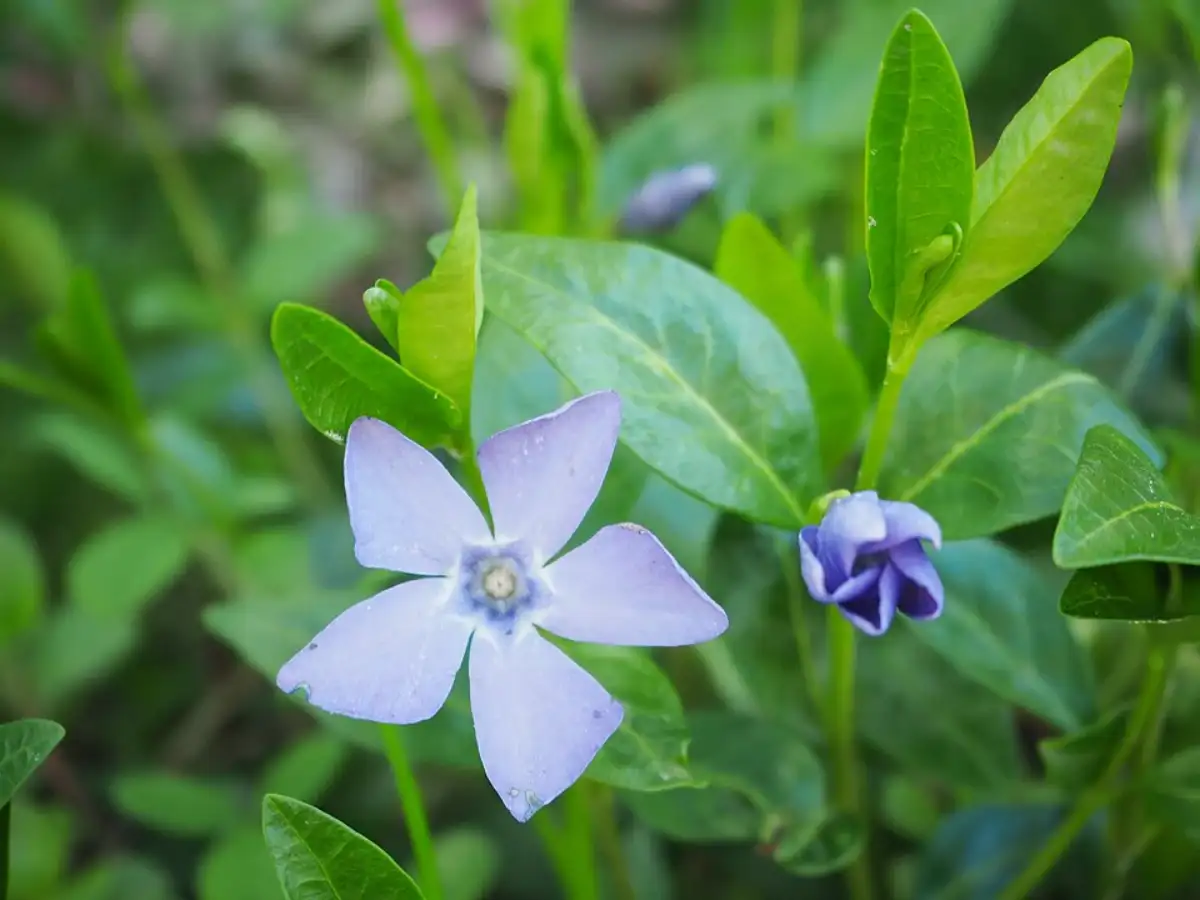
European periwinkles were introduced to North America for their attractive flowers and ability to cover bare ground. The low-growing plants were useful in gardens, where their evergreen leaves and spreading stems made them popular choices for landscaping. But once they escaped cultivation, some populations began spreading into forests and other natural habitats, where dense mats of vegetation could interfere with native plant growth.
According to the US Department of Agriculture’s Forest Service, European periwinkles had been recorded in the United States by the late 1700s. By 2008, an estimated 29,254 acres across 12 Southern states were covered by the plants. The figure included two species, bigleaf periwinkle (Vinca major) and common periwinkle (Vinca minor), both native to parts of Europe and neighbouring regions. Although they remain popular ornamental ground covers, their spread beyond gardens has made them a concern for land managers.












