Conspiracy theories have been around for centuries, from witch trials and antisemitic campaigns to beliefs that Freemasons were trying to topple European monarchies. In the mid-20th century, historian Richard Hofstadter described a “paranoid style” that he observed in right-wing U.S. politics and culture: a blend of “heated exaggeration, suspiciousness, and conspiratorial fantasy.”
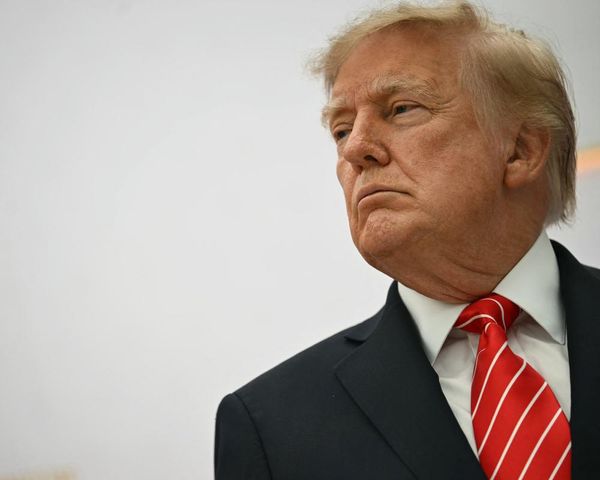
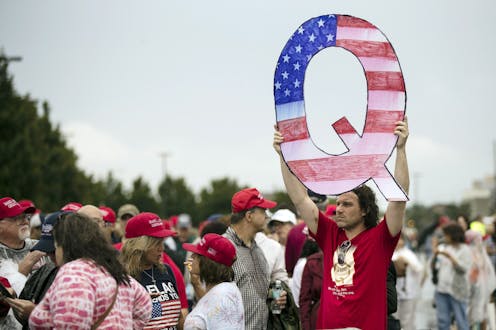
But the “golden age” of conspiracy theories, it seems, is now. On June 24, 2022, the unknown leader of the QAnon conspiracy theory posted online for the first time in over a year. QAnon’s enthusiasts tend to be ardent supporters of Donald Trump, who made conspiracy theories a signature feature of his political brand, from Pizzagate and QAnon to “Stop the Steal” and the racist “birther” movement. Key themes in conspiracy theories – like a sinister network of “pedophiles” and “groomers,” shadowy “bankers” and “globalists” – have moved into the mainstream of right-wing talking points.