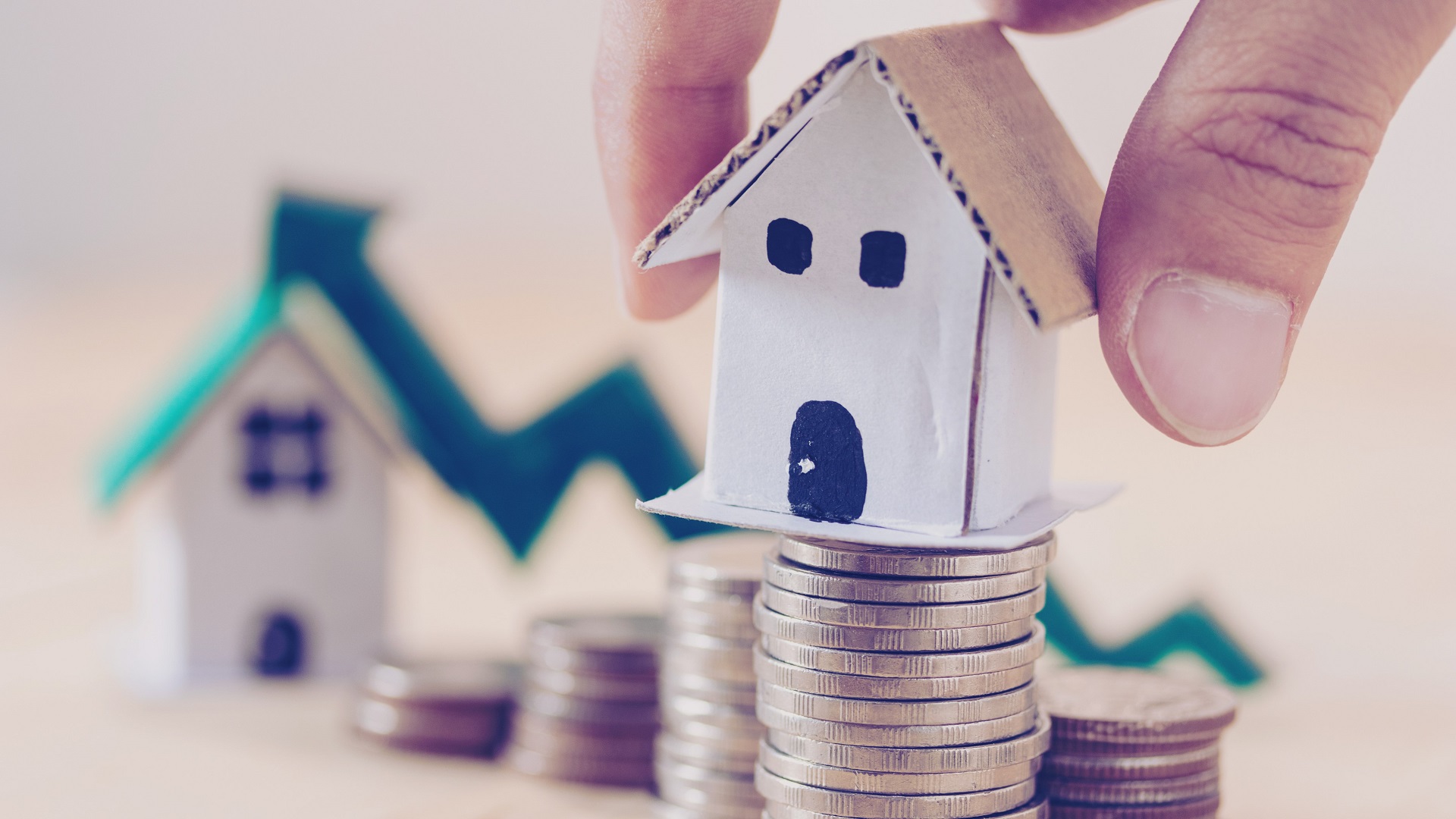
The war in Iran is causing oil prices to rise, and those increases may soon be felt by homebuyers.
Find Out: 4 Housing Markets That Have Plummeted in Value Over the Past 5 Years

Read Next: How Middle-Class Earners Are Quietly Becoming Millionaires — and How You Can, Too
Higher energy costs tied to the conflict are fueling inflation, making it more unlikely that the Federal Reserve will cut interest rates, keeping mortgage rates elevated. That means that buying a home could become even more expensive in the months ahead.
Here’s how the conflict’s ripple effects could impact the U.S. housing market — and what it may mean for prospective buyers.
Why the Iran Conflict Could Keep Mortgage Rates Elevated
Rising oil prices are a major inflationary force, and inflation plays a direct role in where mortgage rates head next.
“When inflation goes off, mortgage rates go up,” said Melissa Cohn, regional vice president of William Raveis Mortgage. “Until the war is resolved and oil prices settle back down, mortgage rates are going to remain elevated. And as more and more countries become involved in this war, it’s going to take that much longer for things to settle back down.”
Just weeks ago, mortgage rates were below 6%. They’re now hovering around 6.5%, tightening affordability across much of the U.S. housing market.
Find Out: Salary Needed To Afford a Luxury Home in Every State
Rising Energy Costs Are Squeezing Homebuyer Budgets
Higher oil prices typically spread quickly through the economy, raising the cost of transportation, manufacturing and everyday goods — pressures that can weigh heavily on aspiring homeowners.
“We’re a petroleum-based economy, and when the cost of petroleum goes up nearly 40% in less than three weeks, that’s going to cause price inflation everywhere we look, in every part of our lives,” Cohn said.
For many buyers, those higher costs directly compete with saving for a down payment or qualifying for a mortgage.
“If you have a hard time paying for your food bill, you’re not likely to be buying a home,” Cohn said. “If you have to tap into your savings because gas prices are so much higher, and any repair that you do costs that much more, that’s that much less money that you have to buy a home.”
Higher Ownership Costs Extend Beyond the Purchase Price
It’s not only becoming more challenging to afford the initial costs of homebuying, but the maintenance costs as well.
“The cost of heating a home will get more expensive,” Cohn said. “All the ancillary costs surrounding the home will get more expensive.”
That combination — higher mortgage rates and rising maintenance and utility expenses — may push some buyers to delay purchases or exit the market altogether.
Market Volatility Is Eroding Homebuyers’ Purchasing Power
People’s ability to afford homes can also take a hit when financial markets turn volatile.
“We’ve seen a lot of market volatility, so some equities are down,” Cohn said. “People have lost wealth, and if you have a loss of wealth, you’re less inclined to take what money you have and put it into real estate.”
For buyers who rely on investment portfolios to fund down payments or closing costs, market losses can quickly derail homeownership plans.
For Some Buyers, Fewer Competitors Could Mean Better Deals
While the Iran conflict and rising rates may sideline many buyers, those who remain financially secure could find opportunity.
“As rates go up, the affordability factor gets worse — fewer people can afford to buy a home,” Cohn said. “It’s quite possible it could mean the prices come down, because there are fewer buyers. If a seller has to sell and there are fewer buyers, they’re going to have to lower their price in order to sell the home.
“This could be a buying opportunity for those people who are still standing.”
More From GOBankingRates
- Trump Now Says $2,000 Checks Are Coming by Mid-2026: How To Plan Your Budget Now
- I'm a Financial Planner: Cut These 7 Hidden Expenses To Save Hundreds a Month
- How Middle-Class Earners Are Quietly Becoming Millionaires -- and How You Can, Too
- 5 Things You Must Do When Your Savings Reach $50,000
This article originally appeared on GOBankingRates.com: Buying a Home Just Got Harder: How the Iran Conflict Is Pushing Rates Up