
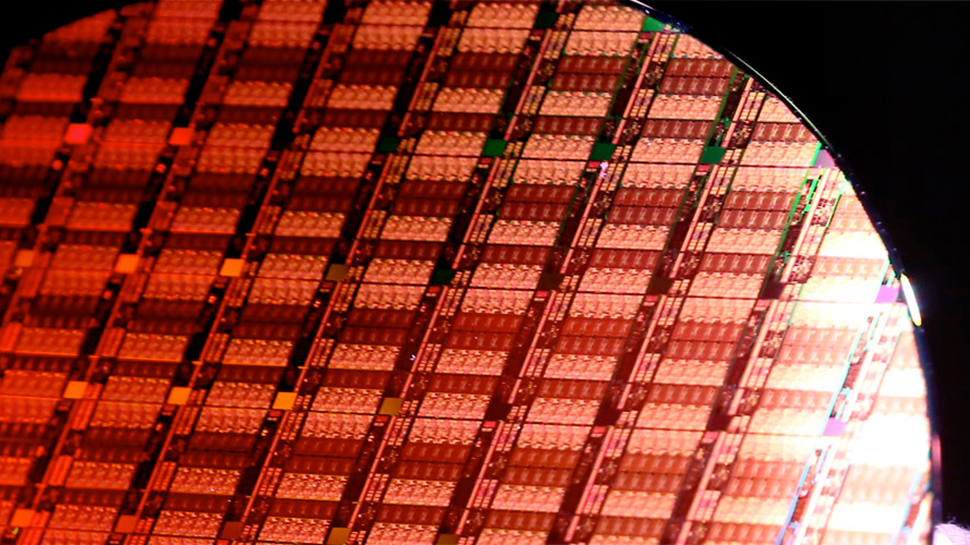
According to Reuters, Intel’s ambitions to become the world’s second-largest contract chipmaker by 2030 seem to have encountered a major hurdle after Broadcom’s trial runs using Intel’s 18A fabrication technology did not purportedly meet expectations. This setback adds pressure to Intel’s revival plan and a goal to leave TSMC behind in manufacturing process advancements, but the situation is not that dramatic.
To test Intel’s 18A (1.8nm-class) process technology, Broadcom produced wafers with test patterns typical of the products it designs. After the company received these shuttle wafers, its engineers and executives were allegedly unsatisfied with the production node, claiming it was ‘not yet viable to move to high-volume production,’ according to Reuters' sources. It could be a blow for Intel’s foundry unit, but Intel disclosed defect density for its 18A process last week, and it looks healthy enough for a node that will enter mass production two or three quarters down the road.














