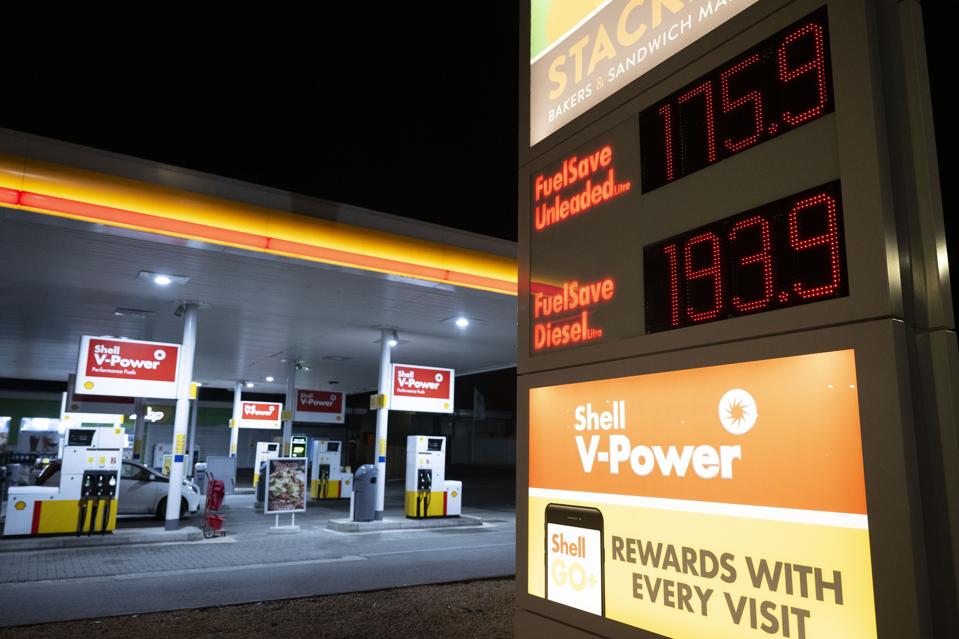
It was a Spring Statement sprinkled with goodies for cash-strapped Britons: a cut to fuel duty, a higher income threshold for the country’s payroll levy, and a one percentage point decrease in the standard rate of income tax. Plenty there to cushion against a deepening cost-of-living crisis, then? Not exactly.
Alongside Rishi Sunak’s mini-budget, delivered Wednesday, came a fresh set of forecasts from the Office for Budget Responsibility (OBR). They made for miserable reading. The UK is facing its steepest drop in living standards since records began, with wages failing to keep pace with rapidly rising prices. By April, the average household will have to shell out an extra £1,000 ($1,300) to afford the same things they were buying a year ago.
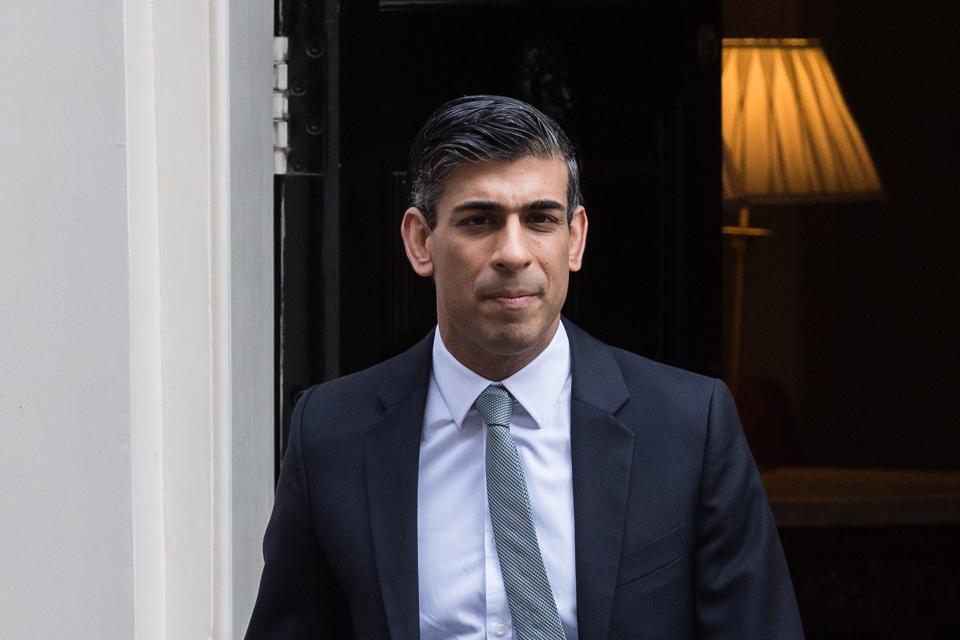
Could he have done more?
Sunak has promised to "stand by" British families as their financial situation deteriorates, but help announced since October will, in total, compensate for just a third of the likely blow to living standards over the next 12 months, according to the OBR. This begs an obvious question: could the Chancellor have done more?
There’s been much talk around a windfall tax on energy companies — making them pay a one-off duty on the huge profits made amid surging gas and electricity prices.
On the face of it, it seems like a logical step, using the excess funds to support people forced into the most unenviable decision: heating or eating. But it’s more complicated than that. An added tax would discourage energy firms from investing in projects that are designed to shepherd the UK to net-zero emissions, as well as reduce the country’s energy independence.
That, at least, is the industry’s argument — an argument that Sunak appears to have bought.
Not such a tax cutter
The Chancellor is also beholden to his colleagues in the Conservative Party, many of whom are worried about the government’s tax-and-spend approach to public finances.
A planned increase in the rate at which workers and employers pay national insurance, a payroll tax, intended to fund improvements to health and social care has been particularly uncomfortable for parliamentarians on the party’s right. They want a Chancellor who cuts tax, not raises it, which is why Sunak’s Spring Statement went down well on Tory benches.
The devil is in the detail, however. The fiscal policies unveiled this week offset only around a sixth of previously announced tax rises as a share of GDP between 2019-20 and 2026-27. Even after taking the announcements into account, the tax take as a share of GDP is expected to increase by 3.3%, bringing it to over 40% by the end of 2027 — the highest in four decades.
Keeping his powder dry
Sunak will be under pressure to keep chipping away at this tax burden, but he’s right to take a measured approach. The financial fallout from the conflict in Ukraine is yet to fully materialize, especially when it comes to energy prices. And then there’s the omnipresent threat of a new, vaccine-resistant coronavirus variant cropping up.
So it seems fair that the Chancellor has chosen to keep his powder dry, enacting only modest changes this week, knowing full well that a lengthy period of financial pain awaits. Prudent, perhaps, but for families already struggling to make ends meet, that’ll come as little comfort.