Get all your news in one place.
100's of premium titles.
One app.
Start reading
The Economic Times
The Economic Times
Team Global

Britain in the 1920s planted millions of Sitka spruce trees for timber, but scientists now say the country's forests support far fewer birds, plants, and insects than native woodlands

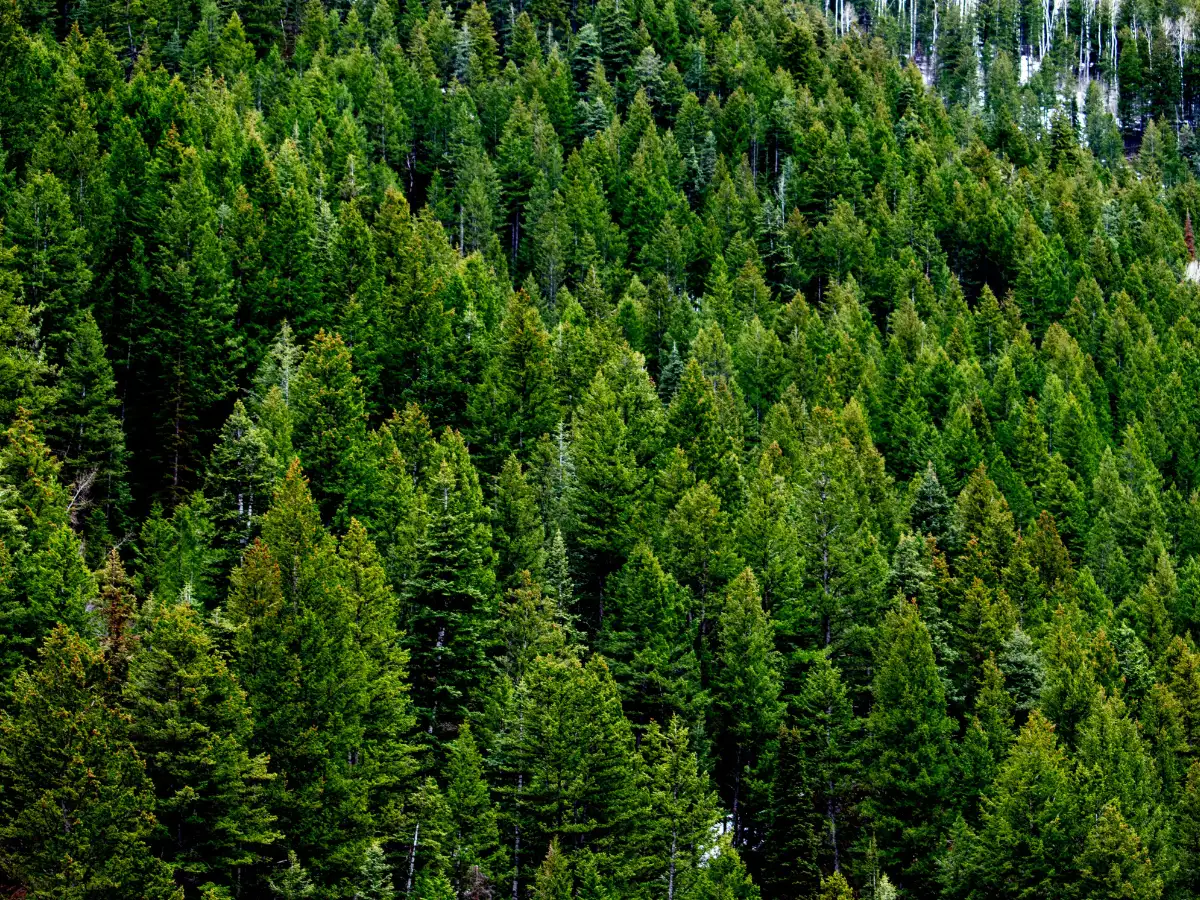
Picture a single species of tree planted in rows across hundreds of thousands of acres in an entire country. That’s the story of Sitka spruce in the UK, and it seems an enormous number of creatures have quietly made it their home. According to the study ‘Sprucing up the UK’s Sitka spruce (Picea sitchensis) forests: can tree species diversification benefit biodiversity?’ published in Forestry, researchers from the James Hutton Institute and partner institutions spent months reviewing published research and biological records to identify what lives on this tree species and how wildlife might respond to mixed-species planting.

The paper says the researchers first compiled records from across the UK and identified 564 species using Sitka spruce for feeding or shelter, then compared how diversification with 34 other tree species would affect biodiversity and ecosystem function.

This research provides some useful answers for anyone in the US who has driven mile after mile of identical evergreen plantations and wondered if that is actually good for the environment.

Why one imported tree became such a big deal

Sitka spruce is not a native tree of Britain. It was imported from overseas and is now the UK’s most economically important tree species, valued for its fast growth and ability to produce strong timber, the study noted. But leaning on one species that heavily comes with real risk. Sitka spruce was found to be vulnerable to an invasive bark beetle called Ips typographs, recently found in southern England, and to drought conditions that are expected to get worse. If that species suffers a setback, a forest of almost entirely one species has no choice.

According to the James Hutton Institute's official release on the findings, lead researcher Dr Ruth Mitchell said that as forestry adapts to a changing climate and new pests it is essential to understand how those changes ripple through wildlife. That tension between fast timber and healthy ecosystems isn’t unique to Britain, either; it’s the same balancing act facing forestry across the US.

Sign up to read this article
Read news from 100's of titles, curated specifically for you.
Already a member? Sign in here
Related Stories
Top stories on inkl right now
One subscription that gives you access to news from hundreds of sites
Already a member? Sign in here
Our Picks
Fourteen days free
Download the app
One app. One membership.
100+ trusted global sources.