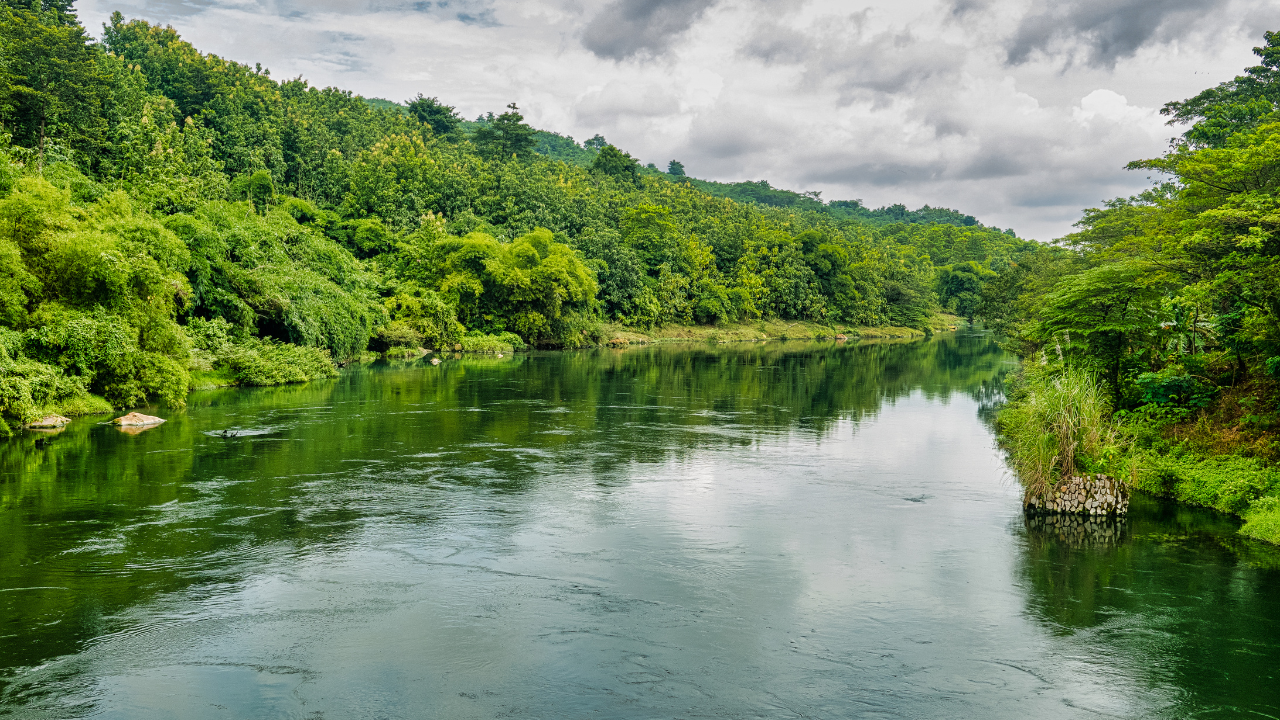
Since 2006, researchers working with the Instituto Socioambiental have restored 75 riparian forest sites along a 500km stretch of Mato Grosso, Brazil, using five different approaches, three direct seeding techniques (broadcast, hole and row), seedling planting, and natural regeneration. Fifteen years on, a study published in the Journal of Environmental Management found the results were far from equal. Row-seeding, in particular, pulled dramatically ahead of every other method for storing carbon above ground. Here's how a simple choice in planting technique ended up making such an outsized difference. After 15 years, row-seeded sites had accumulated roughly 155 tonnes of aboveground biomass per hectare, comfortably outpacing broadcast seeding, hole seeding, seedling planting and natural regeneration alike.
Get breaking news anytime, anywhere. Download the TOI app now!