The sacking of the three buildings comprising the seat of government in Brasilia on January 8 was a reminder of an unresolved tension in the heart of the Brazilian state: the role of the armed forces.
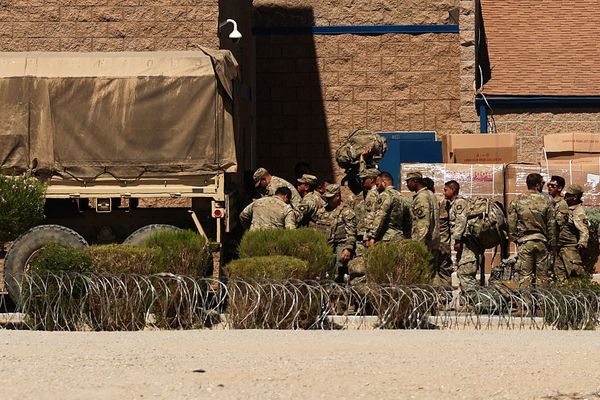
As in many other democracies, Brazil’s armed forces are supposed to be apolitical servants of the executive branch and subordinate to their civilian commander-in-chief, the president. But the Brazilian officer corps sometimes behaves and speaks as the saviour of the nation. It claims to be the “moderating power”, a role some argue is granted to them by article 142 of the 1988 constitution, which describes the military as the defender of “law and order”.
This belief is shared by a significant portion of the population – and the carnage of January 8 was the physical manifestation of the idea. A mob attacked the buildings housing of the main branches of government while calling for the armed forces to take power.