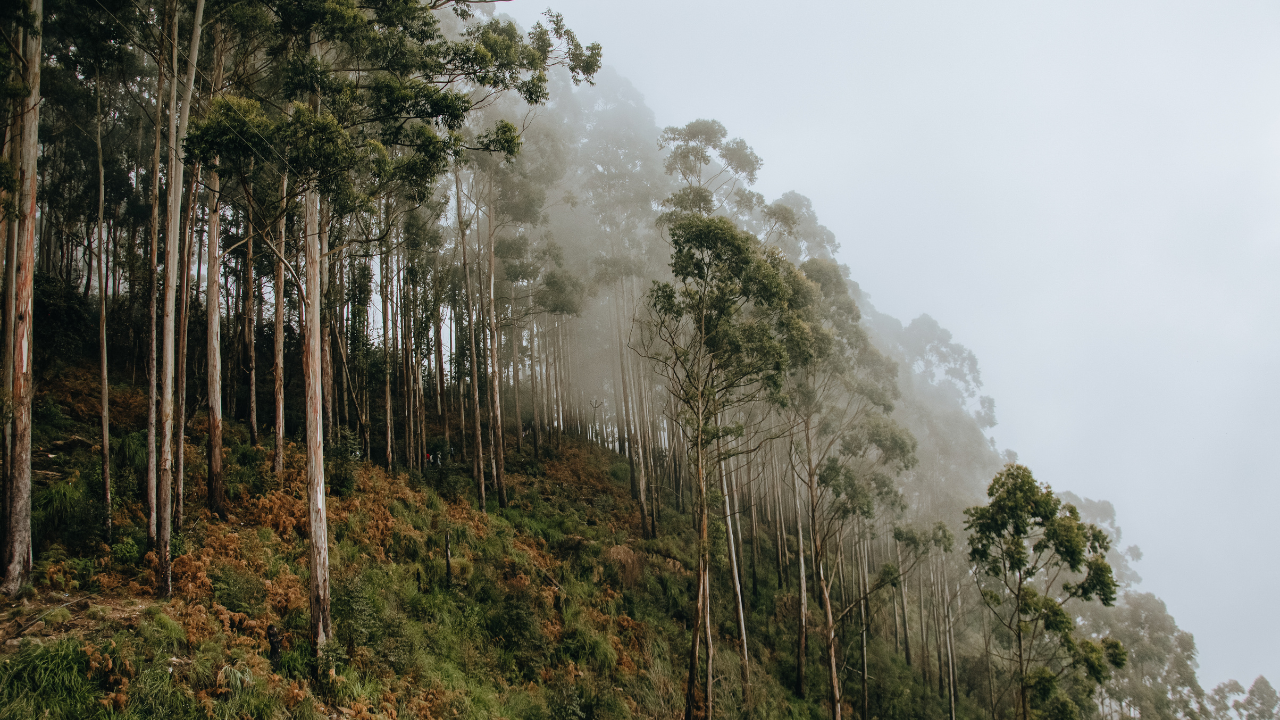
Brazil’s eucalyptus industry was built on a promise to grow trees quickly, harvest them for pulp and create a renewable supply for the global paper industry. Over decades, however, the enormous plantations have transformed landscapes across parts of the country, raising concerns about what happens to water beneath the trees. In one eucalyptus-growing region of Minas Gerais, scientists found that groundwater levels had fallen by 4.5 metres over about 45 years. The discovery has added weight to concerns from rural communities that say streams have weakened and water has become harder to find. In Bahia, where vast plantations supply the pulp industry, residents have even described the landscape as a “green desert”. Researchers say the findings raise broader questions about how large-scale commercial forestry can affect water resources over several decades.
Get breaking news anytime, anywhere. Download the TOI app now!