
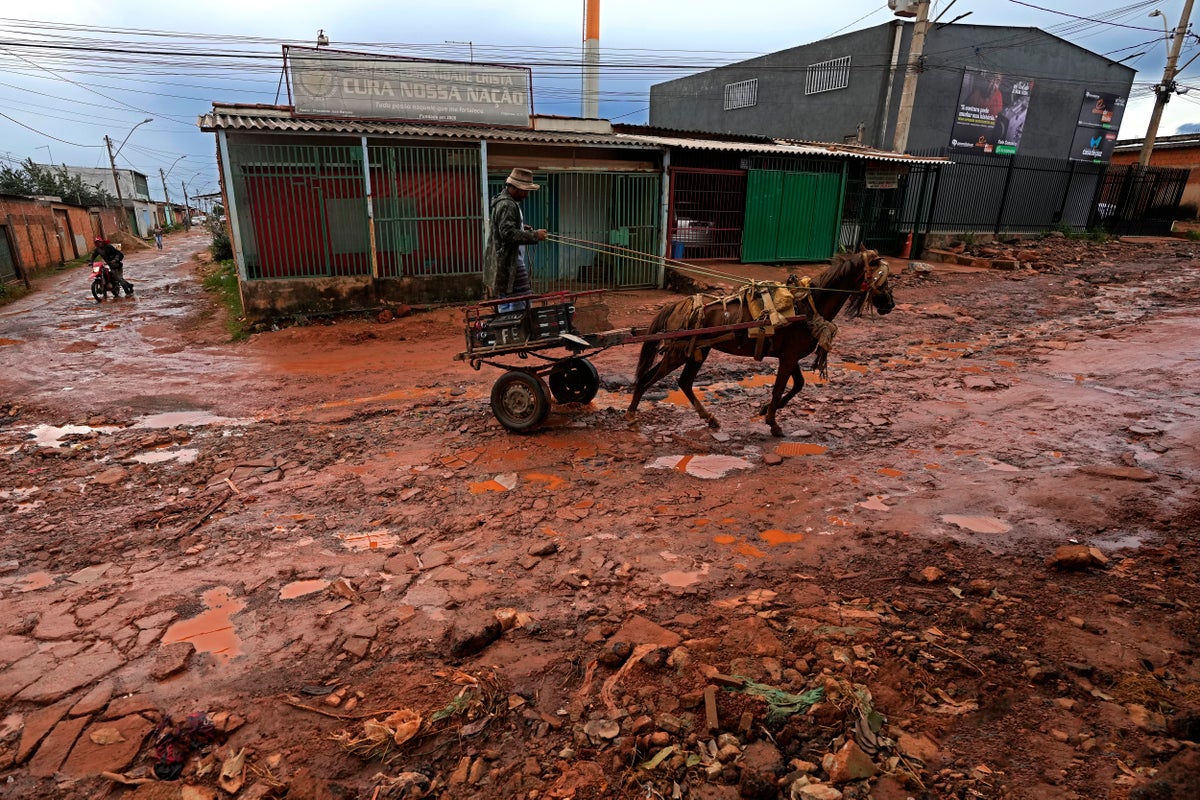
The buzzing main avenue of this poor Brazilian neighborhood is filled with people popping off buses after work or grabbing a bite. Teens attend an open-air rap battle and gymnastics class. Hymns and prayers from tiny church services spill into the night.
It’s an ordinary Wednesday in Brazil’s biggest favela, or low-income neighborhood. And for the first time since poverty, lack of opportunity and economic inequality caused favelas to mushroom across many of the nation’s cities, that superlative doesn’t belong to a favela in Rio de Janeiro.




