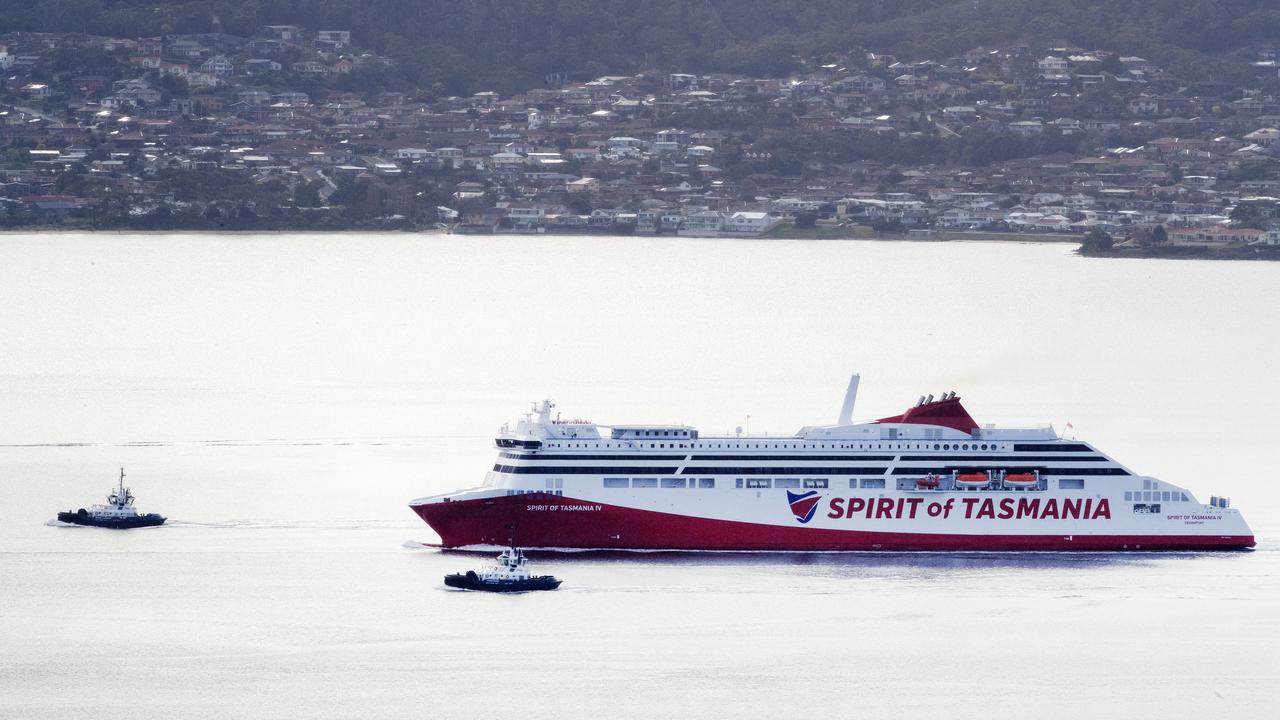
A bungled delivery of two Bass Strait ferries, in which the vessels were finished before a berth was ready, has cost $717 million more than an original business case.
And the overall cost to taxpayers will be even higher, with bailout money and the price tag for ongoing temporary berths not included in the figure.

The new bigger Spirit of Tasmania ships are expected to begin sailings between the island state and Victoria in October, years behind the original schedule.
In 2024 the Tasmanian government and state-owned ferry operator TT-Line were left red-faced when it was revealed a new larger berth in Devonport would not be ready in time for the vessels.
TT-Line chair Ken Kanofski on Tuesday told a parliamentary committee examining the project, which began in 2018, that its cost overrun was $717 million.
The figure includes a rise in the new Devonport berth build, from $90 million to $493 million, announced in 2025.
The $717 million does not include the costs to keep the new ferries in berths while they await the completion of the new berth.
It cost roughly $6 million to berth Spirit of Tasmania IV in Scotland for several months - both new vessels are currently being held in Australian ports.
TT-Line also received a $75 million cash injection from the state government in November.
It appears likely to get further money from the state government when the 2026/27 budget is delivered on May 21.
TT-Line has put its financial position to the state government but neither the company or government ministers have speculated on whether more money is on the way.
The company's financial position was currently very challenging, Mr Kanofski told the committee.
He said TT-Line was in a situation where it was running four vessels - the two ferries currently undertaking sailings and their two replacements.
"That has a substantial impact on the business. We're also obviously carrying a substantial amount of debt, our interest payments are quite high," he said.
The $717 million included about $280 million extra on the ships themselves, including to cover impacts of the Ukraine war on construction.