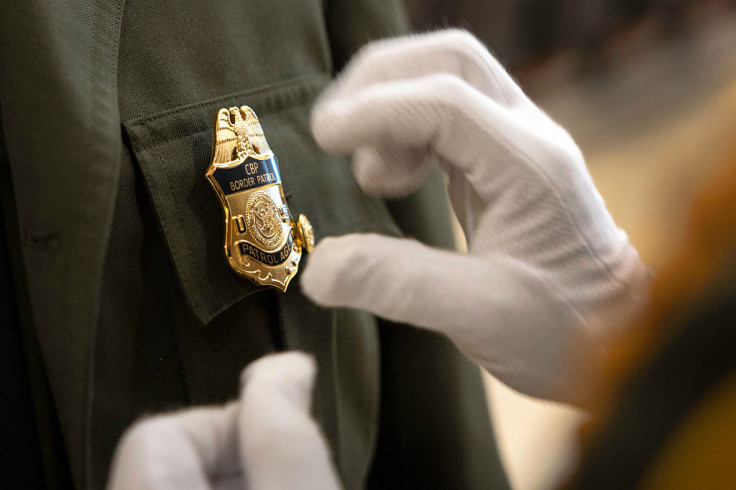
U.S. Border Patrol is warning rideshare drivers along the southwest border that transnational criminal organizations are increasingly using mobile apps to arrange transportation for migrants who have entered the United States illegally, exposing drivers to potential criminal charges and safety risks.
The warning, issued by the Border Patrol's El Paso Sector, says smugglers are using legitimate rideshare platforms through third-party accounts to distance themselves from law enforcement. The agency added that pickup locations are often in secluded desert areas, remote highway shoulders near the border wall or commercial staging lots, as NewsNation reports.
Border Patrol urged drivers to watch for what it described as indicators of human smuggling, including passengers wearing heavily soiled clothing, groups attempting to exceed a vehicle's occupancy limit, third-party bookings in which the account holder is not present, or passengers who appear distressed or unaware of their location.
"Cartel criminal smugglers recklessly endanger the lives of rideshare drivers and passengers alike, treating legitimate drivers as disposable tools for their smuggling operations," El Paso Sector Chief Patrol Agent Jesse D. Muñoz said through a statement. "When these trips are intercepted, drivers face immediate detention and asset forfeiture while federal agents investigate their level of involvement in the smuggling network."
The agency warned that drivers who knowingly participate in smuggling operations could face felony charges under federal law for alien smuggling or harboring. It advised drivers who receive suspicious ride requests to cancel the trip, move to a safe location, use in-app security features to document their route and report the incident to the rideshare platform.
According to NewsNation, authorities have increasingly linked smuggling operations to online recruitment targeting U.S. residents, who are sometimes offered between $1,000 and $1,500 per passenger to transport migrants from areas near the border.
Defense attorney Mary Pietrzak told the outlet that many people charged had no prior criminal history and did not initially realize they could be violating smuggling laws. "They don't think at first that they're doing anything wrong," she said. "But they are."
The Center Square reported that El Paso remains a major human smuggling corridor because of its proximity to Ciudad Juárez, where rival criminal organizations compete for control of cross-border trafficking routes.
The publication also noted that Texas has increased state penalties for human smuggling in recent years, with some offenses carrying prison sentences of up to 10 years, and highlighted a series of law enforcement operations targeting stash houses, kidnappings and cartel-linked trafficking networks in the region.