Get all your news in one place.
100's of premium titles.
One app.
Start reading
Latin Times
Latin Times
National
Clara Espinoza

Bolivia's Barracks Blast: Investigators Found 'Boosters' and a Grenade Depot, VP Won't Call It 'Just Fireworks'

A forensic expert and firefighters check damages following an explosion at an army barracks the night before, in Viacha, Bolivia, on September 5, 2026. At least two people were killed and 81 injured in a powerful explosion at a military facility storing pyrotechnic material in Bolivia, police said in an updated toll, adding that the cause of the blast remains under investigation. (Credit: Photo by AIZAR RALDES / AFP via Getty Images)
  • The first blast is linked to old, previously confiscated pyrotechnic material; investigators have since found "boosters" — explosive multipliers — mixed in at the site, and a damaged grenade depot sat just behind the blast zone, but officials say the cause of the second, much larger explosion is still unconfirmed.
  • Bolivia's Army has identified 19-year-old conscript Wilson Copa Mamani as the third confirmed fatality from Friday's double explosion at the Bolívar barracks in Viacha, with 13 soldiers — 12 conscripts and one sergeant first class — still unaccounted for.
  • The confirmed injury count has climbed to 84, and Viacha's municipal government has declared three days of official mourning as crews keep digging through the rubble.
  • Some international outlets reported "at least 10 dead" in the first hours after the blast, a figure Bolivian authorities never confirmed; the officially verified toll, backed by multiple local newsrooms, stands at three dead as of Sunday.

Three days after twin explosions tore through a munitions maintenance yard at the Bolívar Mechanized Artillery Regiment in Viacha, Bolivia's Army has put a name to a body pulled from the wreckage: Wilson Copa Mamani, a 19-year-old conscript who had been on the military's own list of missing soldiers. His death raises the confirmed toll to three, while search crews continue combing the ruins for 13 uniformed personnel still not accounted for, according to an Army statement reported by Los Tiempos.
What Caused the Explosions?

Officials have confirmed part of the picture but are explicitly withholding conclusions about the rest. The first, smaller detonation is attributed to black powder inside pyrotechnic material that had long sat in the maintenance yard's storage — Los Tiempos reports the material had reportedly been confiscated and held in storage for years. What turned that into a far larger, deadlier second blast is still unresolved. Investigators combing the site have found "boosters" — devices that act as explosive multipliers, amplifying the force of whatever detonates alongside them — mixed in with the old pyrotechnic stock. Defense Minister Justiniano has been careful not to connect those dots publicly: he said the discovery helps explain the blast's scale but that his ministry will not advance a theory about what caused the second detonation until forensic experts finish cross-checking the site against official inventories.

TOPSHOT - This aerial view show the army barracks after an explosion on the eve, in Viacha, Bolivia, on September 5, 2026. At least two people were killed, 81 injured, and 14 people are still missing after a powerful explosion on September 4, 2026 at a military facility storing pyrotechnic material in Bolivia. The cause of the blast remains under investigation. (Credit: Photo by Aizar RALDES / AFP via Getty Images)

Adding to the uncertainty, a separate depot standing behind the blast site — used to store military ordnance, including a large quantity of grenades — was structurally damaged by the shockwave and had to be evacuated as a precaution on Saturday, according to El Diario. That detail sits awkwardly next to the government's original framing of the incident as a fireworks accident involving no actual weaponry; Bolivia's Defense Ministry had initially stated that no type of war matériel detonated. Justiniano has defended the slow pace of the excavation, saying: "We will not risk more lives by rushing this work." Heavy machinery still cannot enter the most damaged sector because of the danger posed by unaccounted-for explosive material, which is also why the case has been handed to a multi-agency team — prosecutors, the FELCC crime investigation police and the IDIF forensic institute — working alongside the armed forces rather than the Army alone.

Who Was the Third Victim?

Copa Mamani belonged to the instruction staff assigned to the regiment's General Maintenance Center, the same sector devastated by Friday's blasts. He was the 13th name on the roster of unlocated personnel that the unit's commander, Lieutenant Colonel Antonio Amaru, had circulated a day earlier — a list built around one sergeant first class and twelve conscripts, all stationed in the affected area. Bolivia's Army command confirmed the recovery of his body on Saturday and pledged in a statement that it would provide his family with "the accompaniment, assistance and all benefits" owed under military regulations, and said it would turn over documentation to prosecutors handling the case.

Outside the barracks gates, relatives of the still-missing waited through the weekend in anguish. One mother, forcing her way toward military police guarding the perimeter, said simply: "I want to see my son, he came into the barracks in January." Conscripts from other regions of the country had already been released to go home; only soldiers from elsewhere in Bolivia, housed in dormitories near the blast zone, remained unaccounted for.

The Search for 13 Missing Soldiers

Amaru has been careful to stress that his roster names people whose whereabouts are unknown, not a list of the dead, and that nobody on it will be officially declared deceased without physical confirmation. Rescue crews finished clearing the largest slabs of debris on Saturday and, as of Sunday, are working through lighter material, checking the ground section by section in hopes of locating the remaining 13 uniformed personnel — among them Sergeant First Class Mauro Quisbert Vega, according to the roster published by Unitel.

As a precaution, authorities have kept power cut to the area surrounding the barracks, warning that a stray electrical charge could set off leftover explosive material still buried in the rubble. Firefighters and specialized personnel continue cooling operations in the sectors hit hardest by the second, larger blast, while officials have repeatedly cautioned that the site remains hazardous given the presence of unexploded ordnance.

84 Injured, Three Days of Mourning, and a UN Offer of Help

Defense Minister Ernesto Justiniano Urenda said the consolidated injury count had reached 84, eight of them in serious condition; most were treated initially at Viacha's hospital, while four additional patients were referred directly to the military's Cossmil hospital network. Viacha's municipal government declared three days of official mourning "in solidarity with the affected and grieving families," and the mayor, Jenry Patzi, separately lamented that the city has neither a second-tier hospital nor its own fire brigade to respond to disasters of this scale. The United Nations system in Bolivia offered technical support and passed along condolences to the country, along with well-wishes for the hospitalized, according to El Deber.

A Vice President Pushes Back on the Official Explanation

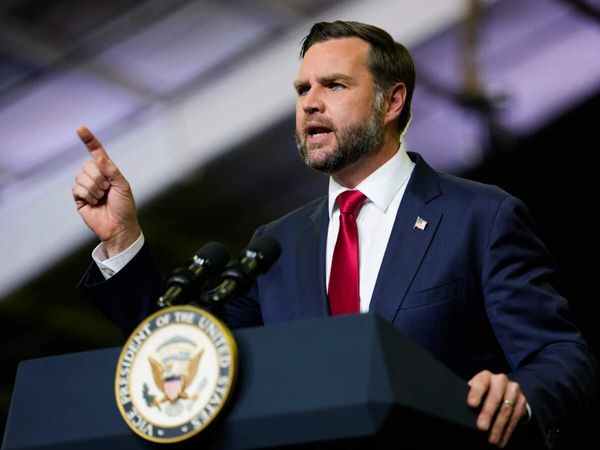
But that explanation is facing pushback from inside the government itself: Vice President Edmand Lara has publicly demanded a fuller investigation and asked that the tragedy not be minimized as a simple fireworks accident, according to Los Tiempos.

Separately, a single Bolivian outlet, Innovapress Noticias, has reported neighbors' and relatives' accounts alleging that, after the first, smaller detonation, regiment officers sent young conscripts to douse the smoldering remains armed with nothing but shovels and picks — just before the far larger second explosion went off. This claim rests on unverified resident testimony and has not been confirmed independently by this outlet, corroborated by any other newsroom, or addressed on the record by the Army, the Defense Ministry or the Attorney General's Office. It is presented here only as an allegation in circulation, not as an established fact.

What Happens Next

President Rodrigo Paz reiterated Saturday that officials still don't know what set off the blasts and that a technical investigation into what happened remains underway. Forensic teams from the Attorney General's Office remain on-site conducting autopsies on the recovered remains, and prosecutors in La Paz department are pursuing the case opened Friday. No timeline has been set for finishing the search, nor for concluding the technical inquiry into what triggered the second and deadlier of the two blasts. For the families of the 13 still-missing soldiers, each new day of digging carries both the hope of an answer and the fear of what that answer might be.

Sign up to read this article
Read news from 100's of titles, curated specifically for you.
Already a member? Sign in here
Related Stories
Top stories on inkl right now
One subscription that gives you access to news from hundreds of sites
Already a member? Sign in here
Our Picks
Fourteen days free
Download the app
One app. One membership.
100+ trusted global sources.