The Breakdown
- The inline-six and V8 will meet future emissions regulations.
- Even Rolls-Royce's V12 is sticking around.
- The next-gen M3 will use a six-cylinder engine.
Stricter emissions regulations are widely regarded as the Achilles’ heel of large-displacement combustion engines. It’s especially challenging in the European Union, where the forthcoming Euro 7 standard is causing automakers significant headaches. However, BMW has taken precautionary measures to ensure its larger engines won’t be outlawed when EU7 comes into effect later this decade.
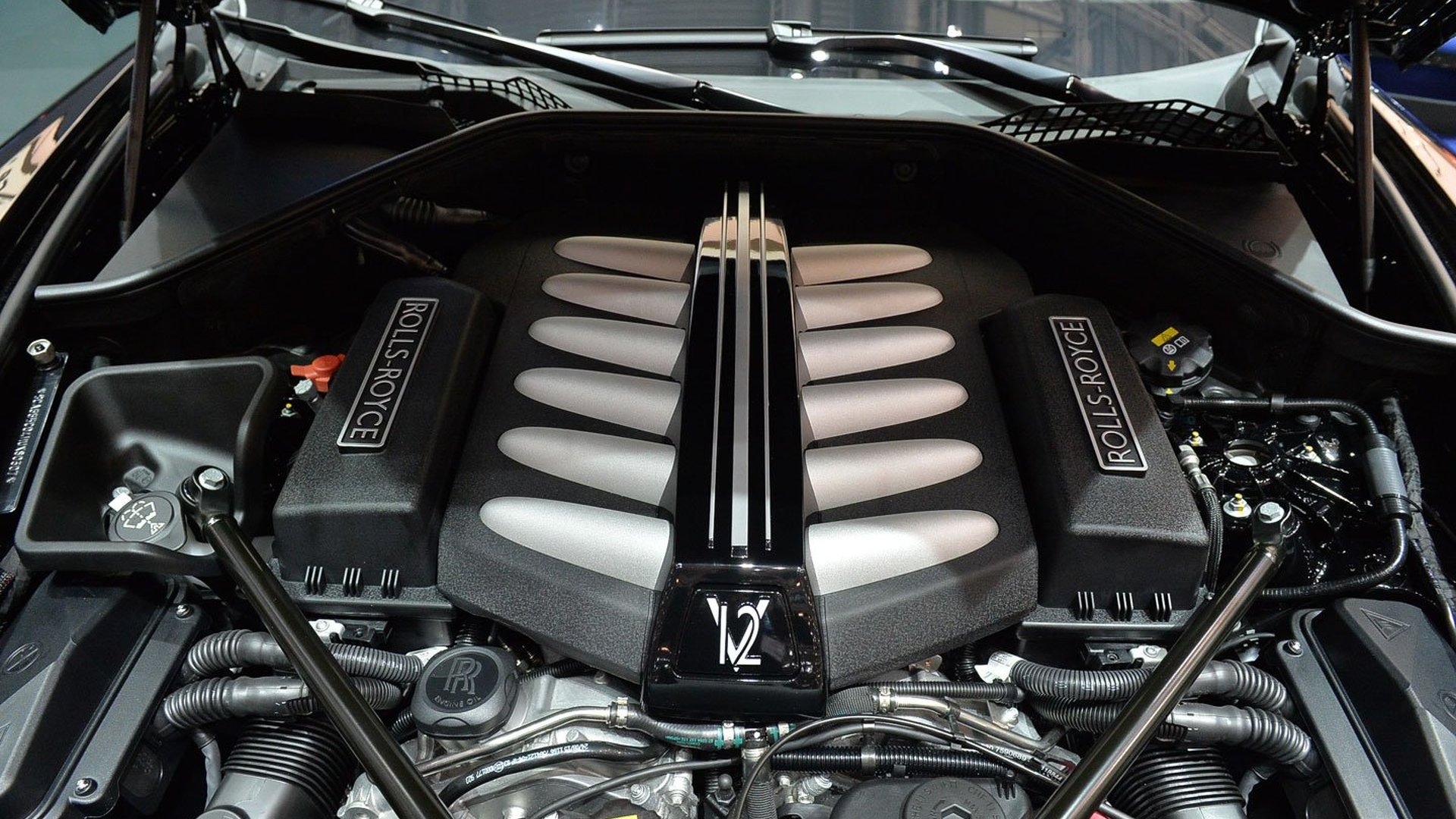
In an interview with Autocar, Chief Technology Officer Joachim Post explained that the next-generation engines have been engineered from day one to meet more demanding requirements. Not only will the inline-six and V8 continue, but so will the V12 exclusive to the Rolls-Royce brand. BMW stopped selling a twelve-cylinder car after the M760i Final Edition in 2022.
“We can fulfil Euro 7 with some optimization in the exhaust system – with things like the catalysts – so that's why we have a big advantage in that Euro 7 is not that high an investment for us.”

Interestingly, Post told the British publication that the next generation of BMW products will feature the V12. Whether he was referring strictly to Rolls-Royce models or those from the core BMW brand as well is unclear. Should the twin-turbo, 6.75-liter mill power something other than a model from Goodwood, it would be a good fit for the newly founded BMW Alpina.
The sub-brand is positioned above BMW and targets Mercedes-Maybach, which still offers a V12 under the hood of the S-Class S680. However, nothing is official at this point, as the “N74” engine might remain exclusive to Rolls-Royce’s Ghost, Cullinan, and Phantom models. Be that as it may, it’s reassuring to learn that six-, eight-, and twelve-cylinder engines still have a future.
A fully electric M3 was teased earlier this week ahead of a 2027 release, but BMW is also planning a gas-fueled counterpart. It’s expected to arrive roughly a year after the hot EV, giving customers both options. The ICE model will use an updated “S58,” a twin-turbo 3.0-liter inline-six, likely featuring mild-hybrid technology to meet EU regulatory requirements.
On a related note, Post told Autocar that the M4 may also live to see another generation. The current car has allegedly had its life cycle extended to mid-2029, so a replacement wouldn’t arrive until 2030 at the earliest. BMW’s CTO suggested another M4 would continue to be built on a regular 4 Series, implying there would also be four-cylinder engines in the mix.

Motor1's Take: BMW is smart enough to know variety is the spice of life, rather than throwing all its eggs into the EV basket. It has long advocated offering multiple powertrains, recognizing that EV adoption varies by region. Launching a new generation of engines means there will still be ICE-powered models throughout the next decade, and possibly beyond.
The commitment to larger ICEs comes shortly after the EU reversed the outright sales ban on new cars with combustion engines from 2035. BMW is certainly pleased that conventional powertrains have been given a stay of execution. After all, EVs still have a long way to go before they replace gas cars in customers’ preferences. In 2025, about 82 percent of all BMW, Mini, and Rolls-Royce vehicles sold globally still had combustion engines.
The fact of the matter is, it’s simply far too early to say goodbye to ICE.
Source: Autocar