
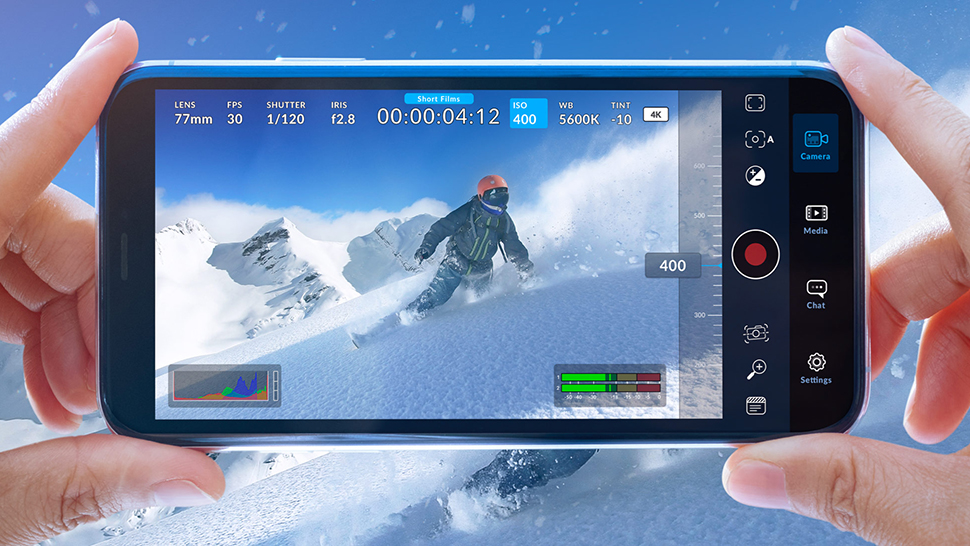
Every year, it feels as though we hear about some development in the world of technology that will ‘change photography or film-making forever’, whether it’s some fancy new phone with a 100MP+ camera sensor or a mirrorless camera with ‘all the Ks’-resolution video. Yet you may have noticed that, for the most part, the practical process of pointing your camera at your subject, pressing the shutter or record button and then editing the content at your computer hasn’t changed all that much.
However, one technological advancement that solves some key challenges has been yielding some positive results. Now, I know what you’re thinking: “The cloud isn’t new.” You’re right, it isn’t. Even File Transfer Protocol (FTP) on cameras, which gave photographers the ability to connect their cameras to the internet via a gigabit Ethernet connection, has been on cameras for over a decade. (It was the Canon EOS 1D-X that first introduced this capability when it was announced in 2011.) Before Ethernet ports on professional cameras, we had to rely on adapters or laptops with wireless dongles when working in the field – or hand our cards and hard drives to couriers to deliver content to picture desks and editors, just as we had to do with film.