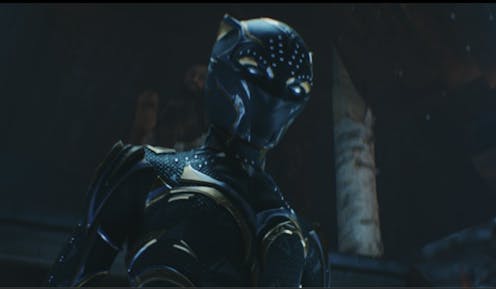
Back in 2018 I joined the millions of people who flocked to cinemas worldwide to watch Ryan Coogler’s Black Panther. The story of an ultra modern African society not shaped by colonialism was celebrated by critics and audiences alike as “revolutionary”. It won three Oscars. Now its sequel, Black Panther: Wakanda Forever, is dominating box office returns and delighting critics.
While I enjoyed and was entertained by the first film, I was also struck by its potential as a teaching tool. Its Afrofuturistic approach – using the past to imagine futures that differ from existing historical narratives – could, I thought, be a catalyst for dispelling myths about African history, culture and tradition. It might be a way to help my students – trainee teachers at a South African institution – overcome cognitive injustice. This is the idea that some forms of knowledge are more significant than others.