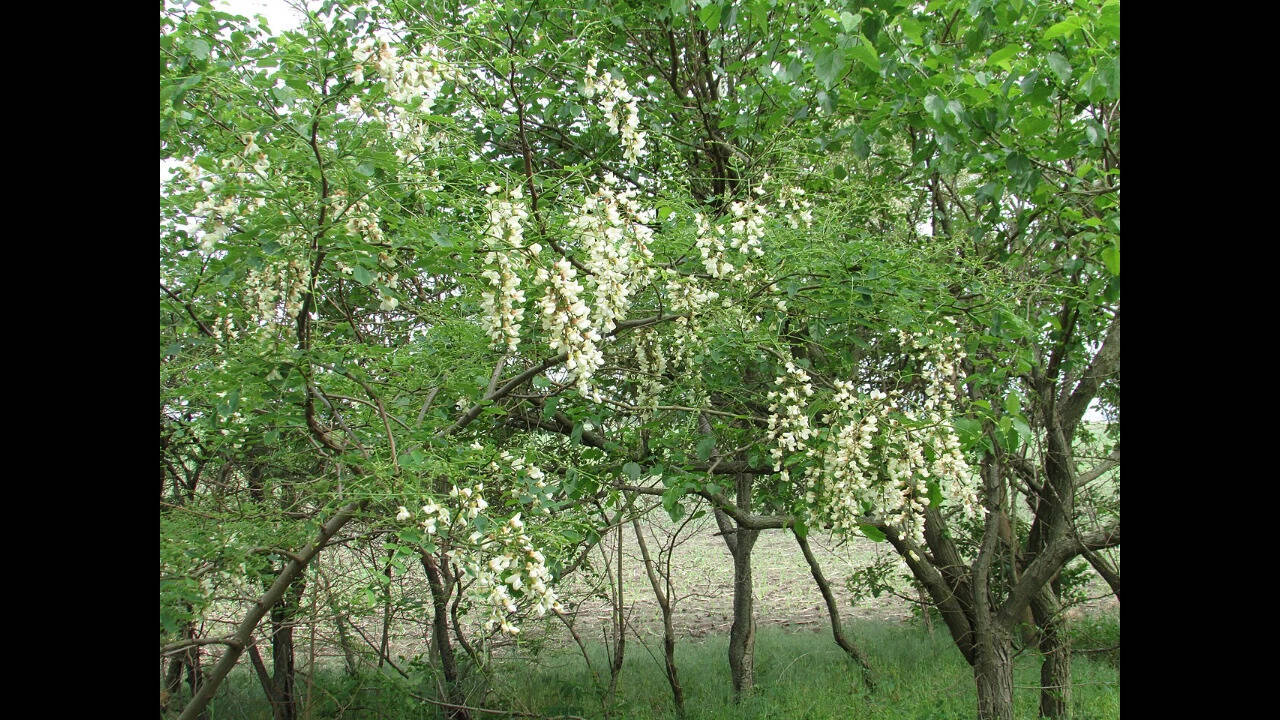
If you have ever walked through a patch of woodland in Maine and spotted a tall, fast-growing tree with clusters of white, fragrant flowers hanging from its branches, you may have been looking at black locust. It is especially noticeable in June when it blooms, but its history in the state is more complicated. The Maine Natural Areas Program lists black locust, known scientifically as Robinia pseudoacacia, as widespread and severely invasive. It was planted because of qualities that later helped it spread beyond the places where people originally wanted it. Today, it can be found along roadsides, forest edges, old fields, hedgerows, and gravel pits.
Get breaking news anytime, anywhere. Download the TOI app now!