
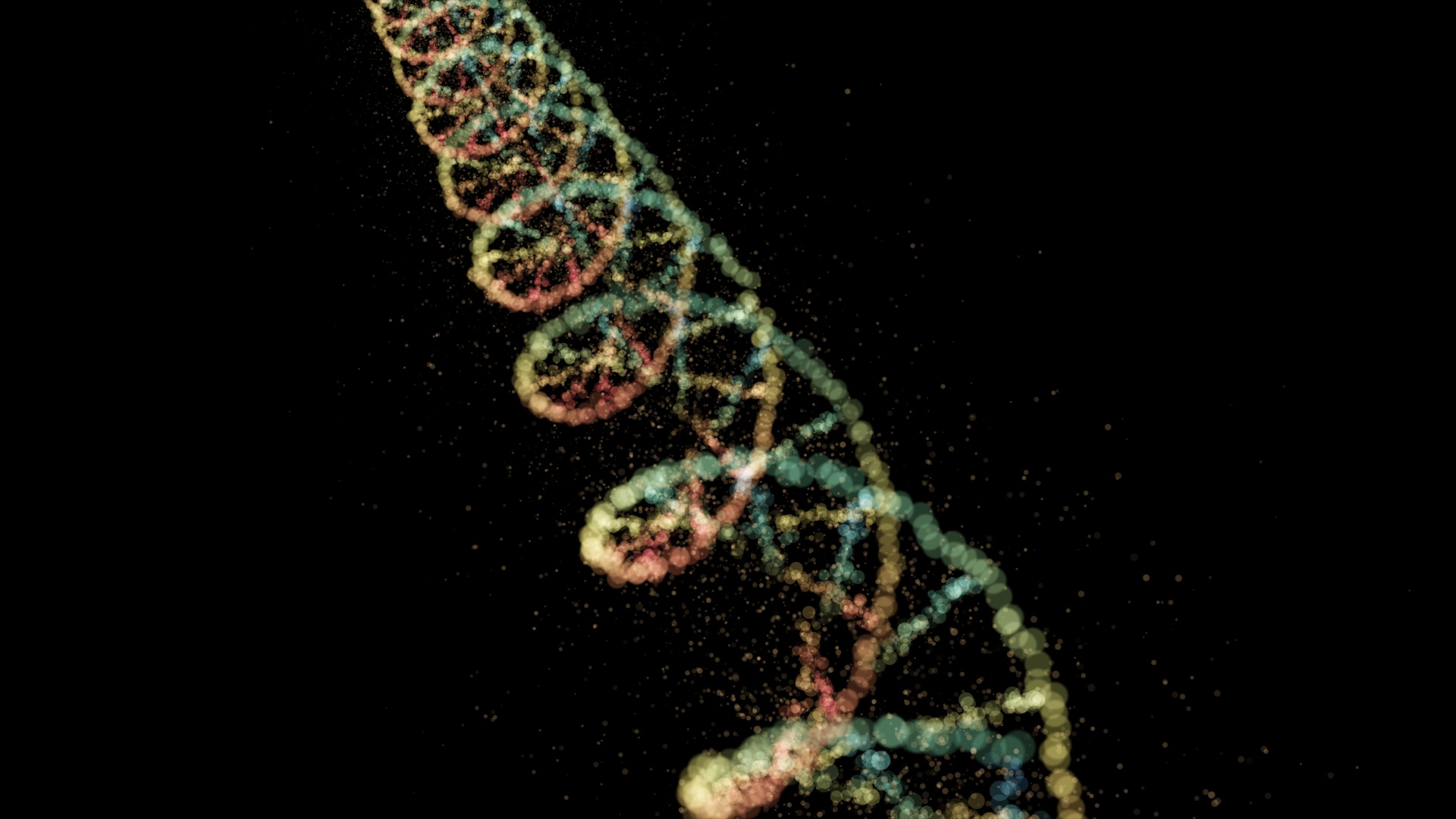
Scientists often use "epigenetic clocks" to measure biological aging, but what makes these clocks tick is not fully understood. Now, scientists have uncovered a clue: The clocks are synced with random mutations that crop up in DNA as we age.
It's long been known that, over the human lifespan, mutations accumulate in the DNA of cells. This happens when cells replicate or are exposed to insults, such as radiation and infection. Plus, with age, the mechanisms that repair DNA damage don't work as well. As people age and mutations rack up, the odds of immune problems, neurodegeneration and cancer also rise dramatically.












