Get all your news in one place.
100's of premium titles.
One app.
Start reading
Barchart
Barchart
Caleb Naysmith

Billionaire Mark Cuban Jabs at Elon Musk on Explaining Why He Stopped Chasing Money: ‘How Much Money Do I Need? I’m Not Trying to Land on Mars’

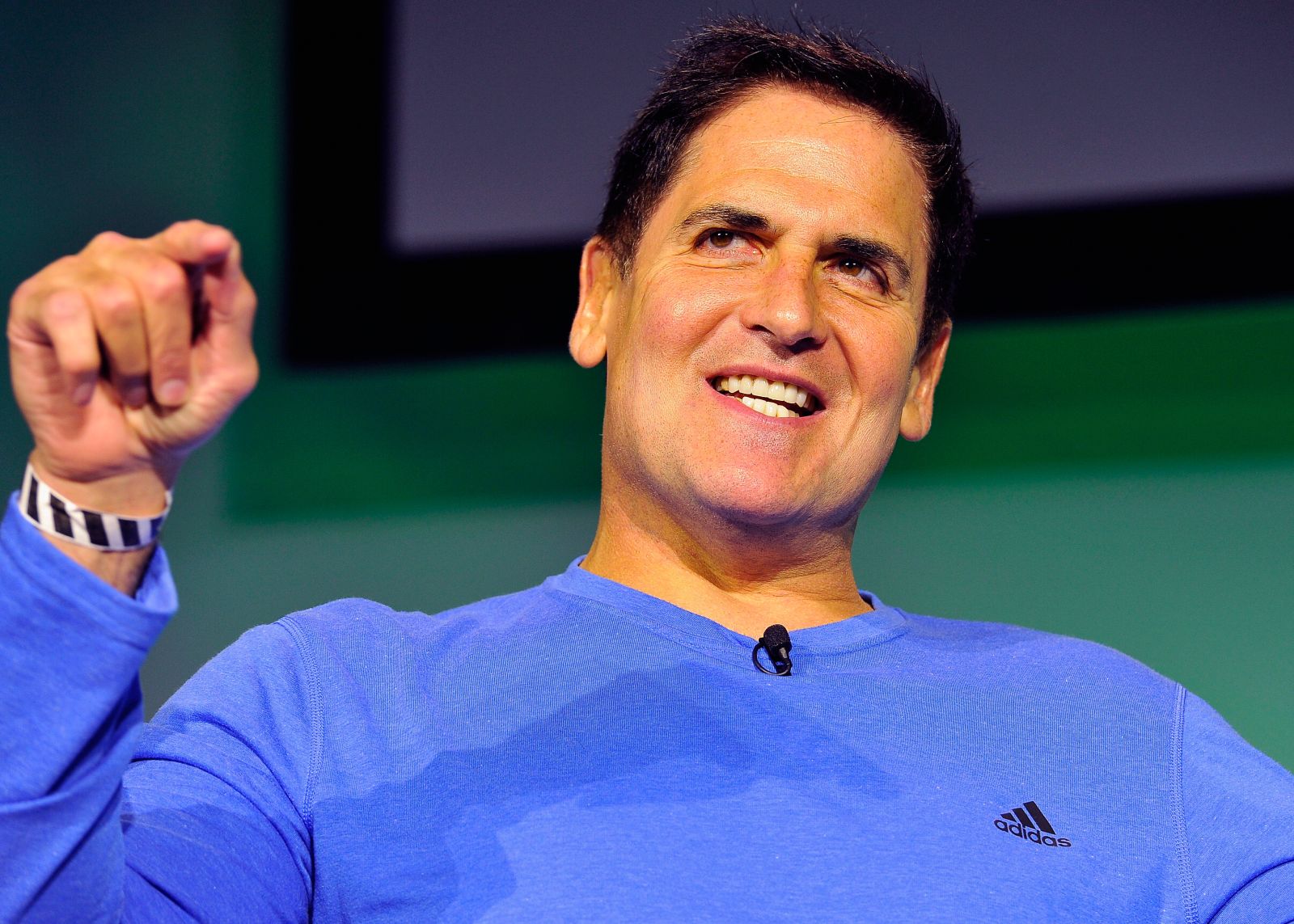
Mark Cuban has never been shy about money. He sold Broadcast.com to Yahoo for $5.7 billion, spent two decades as one of the loudest owners in the NBA, and built a second act telling anyone who would listen how to get rich.

So it was notable when, pressed on whether his generic-drug company Cost Plus Drugs was really a charitable exercise, Cuban rejected the premise… and then rejected the goal most people assume every billionaire shares. “Well, I could make more money,” Cuban said during a WIRED interview, noting that Cost Plus is structured as a public benefit corporation. “But how much f*cking money do I need? You know, I’m not trying to land on Mars.” He added, unprompted: “And not to take anything away from [Elon Musk] for trying. More power to [him].”
He explained that where he is in life, if he had more money, he would probably just use that to help take on the healthcare industry in other ways.

Cuban never named anyone. The remark marks out a real fault line in how extreme wealth gets deployed. There is a version that treats each additional billion as fuel for a bigger project, whether that’s a Mars colony, a rocket company, or a bid at superintelligence. And there is a version that treats some number as sufficient and redirects the attention somewhere smaller and more immediate.

Cuban was drawing that line out loud, and placing himself on one side of it. What he redirected toward is drug pricing. Cost Plus Drugs publishes its actual acquisition cost for every medication it carries, then adds a flat 15% markup, a $5 pharmacist fee, and shipping. Cuban described growing the catalogue from 111 medications to roughly 2,500, and said the company had cut the price of at least one drug every weekday for close to 18 months.

For investors, the interesting part isn't the philanthropy question, it's the structural one. Cuban's argument is that the opacity of American drug pricing is itself the opportunity, and that the incumbents’ reliable defense has been acquisition: “anybody that was a threat, they just buy them.” Cuban has made it known in the past that he isn’t for sale, and what he is trying to do isn’t for sale. Cuban hinted at this in the interview, saying, “That’s just not in the cards for us.”

Whether that structure is a genuine moat or a ceiling on returns is the open question, and Cuban is betting his own capital on the former. The wider signal is about billionaire behavior generally. When someone with Cuban’s balance sheet says plainly that he has enough, it is worth asking what that implies about how the very wealthy actually allocate attention and whether accumulating more is the objective function everyone assumes it is.

On the date of publication, Caleb Naysmith did not have (either directly or indirectly) positions in any of the securities mentioned in this article. All information and data in this article is solely for informational purposes. For more information please view the Barchart Disclosure Policy here.
Sign up to read this article
Read news from 100's of titles, curated specifically for you.
Already a member? Sign in here
Related Stories
Top stories on inkl right now
One subscription that gives you access to news from hundreds of sites
Already a member? Sign in here
Our Picks
Fourteen days free
Download the app
One app. One membership.
100+ trusted global sources.