
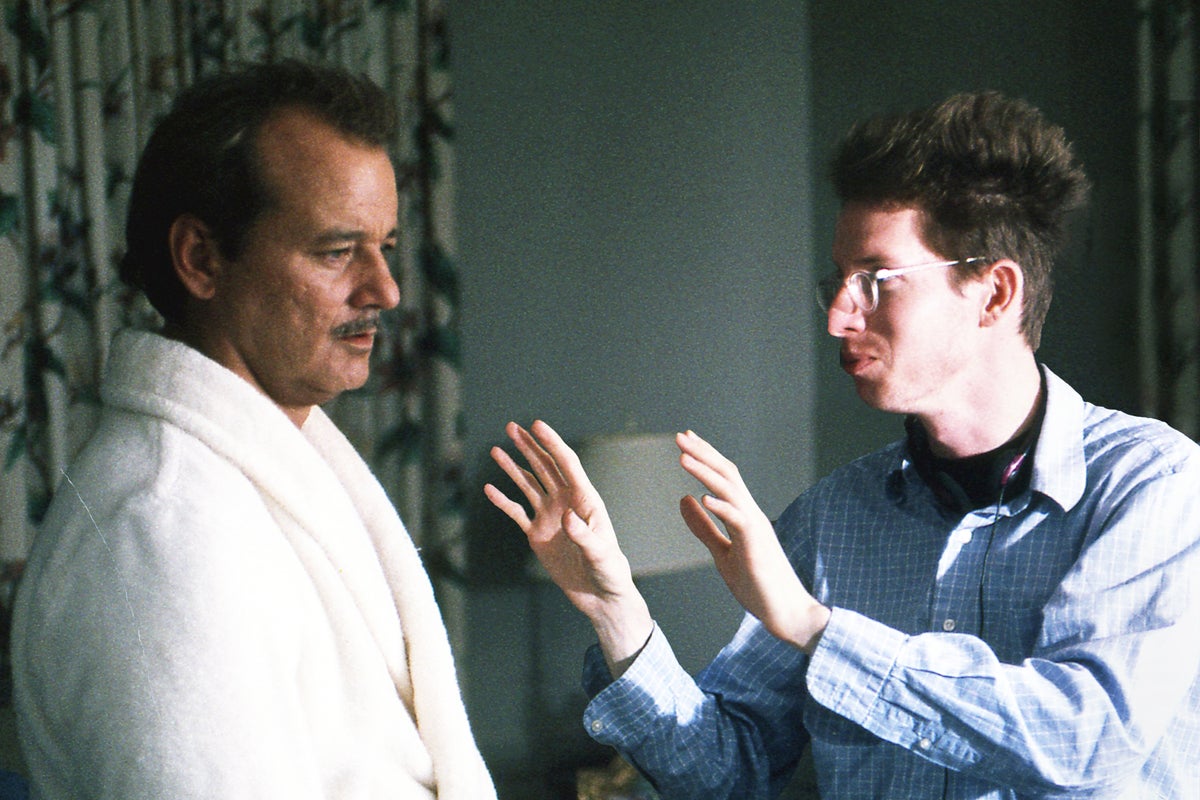
While writing about the life and work of Wes Anderson, I found it all too easy to picture him as one of his characters: cultured and impeccably dressed, with a quiet but mordant wit, living both at the heart of and slightly outside of our world. Even at a young age, Anderson was aware that he didn’t quite fit in, and his work as an artist has always been trimmed with a sense of yearning. For where? Well, that’s the question.
It was arguably with his third film, 2001’s The Royal Tenenbaums, that the true Anderson brand emerged – at least, that’s when critics really started to throw around the term “quirky”. But his second, Rushmore, is the crucial bridge, a film in which many of his stylistic trademarks first appear: the precocious child, the use of wide anamorphic lenses, the literary or theatrical structure.













