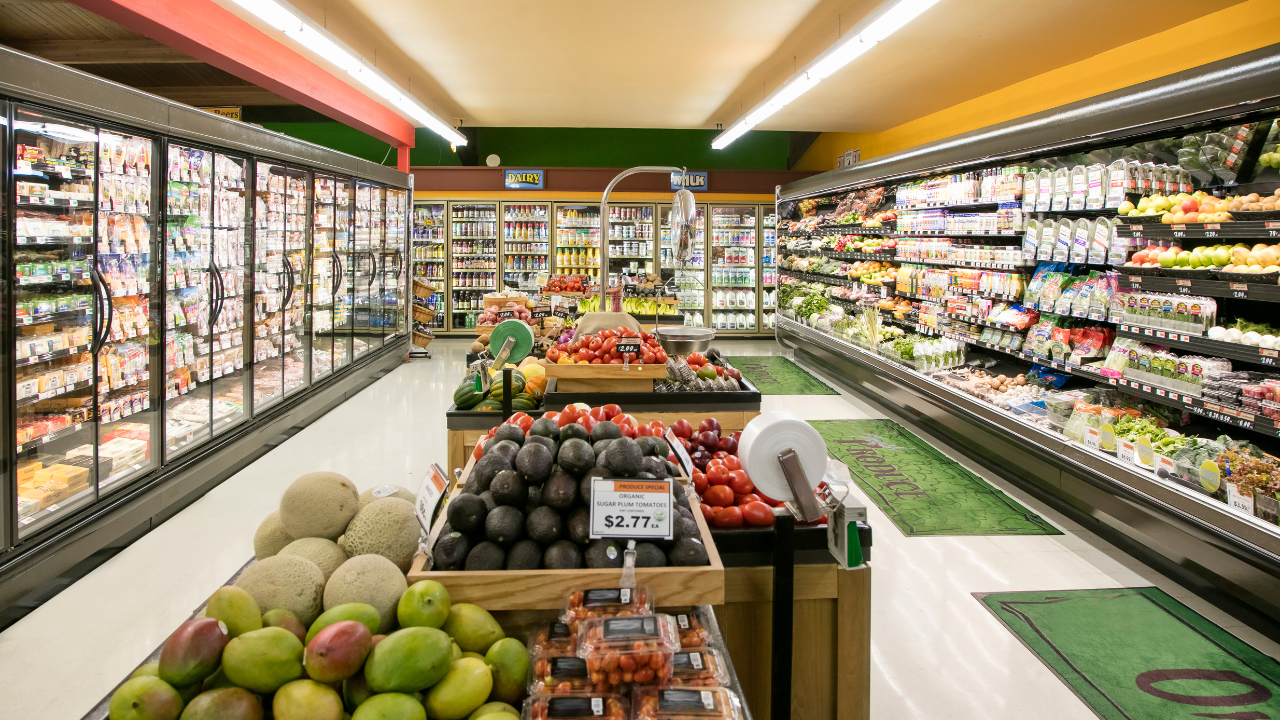
Concerns about rising prices often surface during uncertain moments. In Dubai, authorities say the best protection consumers have may be something many people throw away without a second thought: their shopping receipt.
During an inspection tour of the fruit and vegetable market in Al Aweer and a nearby Union Coop hypermarket, Ahmad Ahli, Director of Tourism Activities Monitoring at Dubai’s Department of Economy and Tourism (DET), reassured residents that food supplies in the emirate remain stable. Speaking to Khaleej Times, Ahli said supply chains continue to function normally and that the country has access to both local and international sources of food.

“Our supply chain is healthy and doing well and active, and our source markets are available and continue to provide us with the products we need, in addition to the local supply, which covers for a good period of time,” Ahli told Khaleej Times.
Authorities acknowledged that some residents have been buying larger quantities of groceries in recent days, particularly in certain areas. According to Ahli, stores have sufficient stock despite the surge in demand. Officials say the increased buying activity followed regional tensions.
At a separate press briefing on Tuesday, Minister of Economy Abdulla bin Touq Al Marri said the UAE maintains a significant stockpile of essential goods. According to the minister, current reserves can last between four and six months, while imports continue to flow normally.
While the government maintains that supplies are secure, officials are asking residents to shop responsibly. Ahli said panic buying places unnecessary pressure on retailers who must constantly refill shelves.
“It puts a lot of pressure on the outlets to refill the shelves again and again in a very short period of time. Rather than do it once a day, they'll have to do it multiple times,” he said.
Authorities are also closely monitoring food prices. According to Ahli, price checks are carried out weekly and reviewed twice a week to ensure stability. Even though the likelihood of sudden price increases is considered low, officials say consumers should always keep their receipts as proof if they suspect a price hike.
“The bill is your insurance policy,” Ahli said. “Just keep it. Even if they change the price again, your bill shows that the price was higher a few days ago. Therefore, we can immediately take action.”
Dubai authorities have been conducting inspections across grocery stores and wholesale markets since the start of Ramadan in coordination with the Ministry of Economy and Dubai Municipality. The effort is aimed at ensuring retailers do not raise prices without justification.
The monitoring comes after the Ministry of Economy introduced a pricing policy in early 2025 covering nine essential food categories: cooking oil, eggs, dairy products, rice, sugar, poultry, legumes, bread, and wheat. Under the policy, retailers cannot increase the price of these goods without providing a valid reason and receiving approval from the ministry.
So far, enforcement actions have been limited. Ahli said that since Ramadan began on February 18, inspectors have recorded only one violation involving an unjustified price increase.