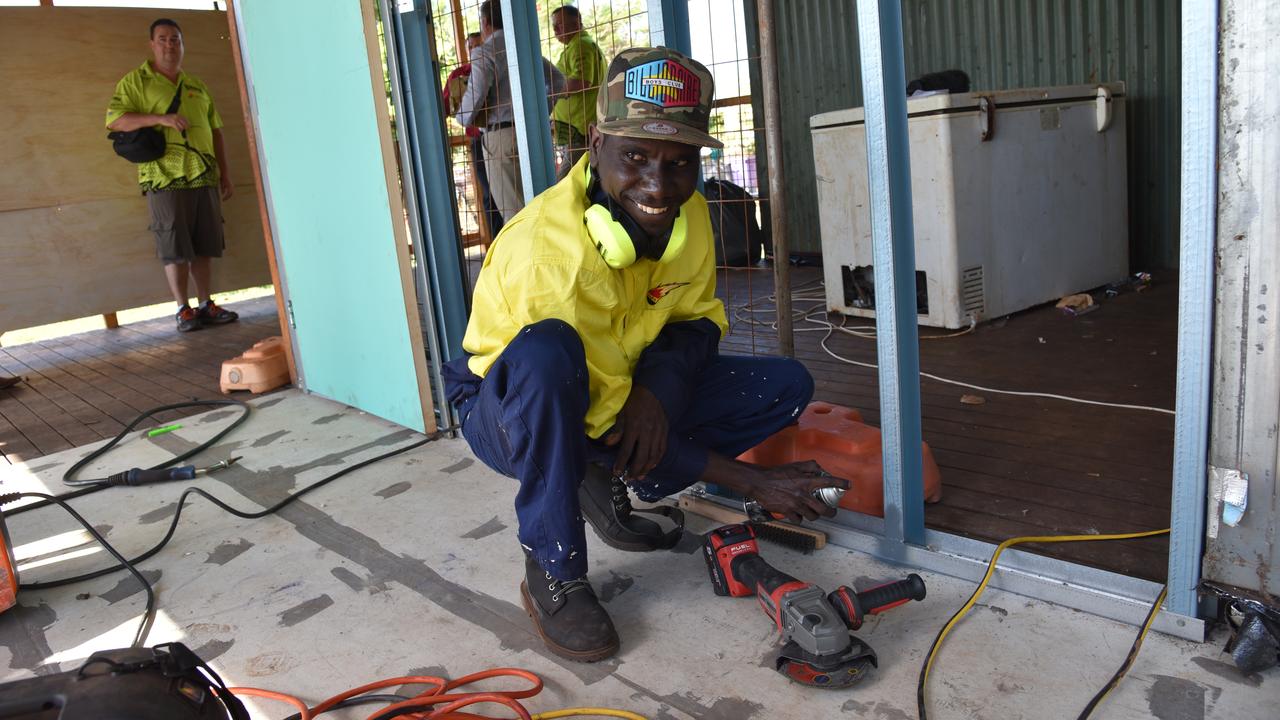
Most First Nations people have experienced racism in the workplace and many Indigenous staff say they don't feel culturally safe, a study shows.
The survey, released on Wednesday by the Centre for Indigenous People and Work at the University of Technology Sydney, found there is slow progress in addressing racism in workplaces, but many remain unprepared to deal with discrimination.
More employees felt safe to share their identity and some forms of racism eased slightly but many key markers had shown no advance, centre director Nareen Young said.
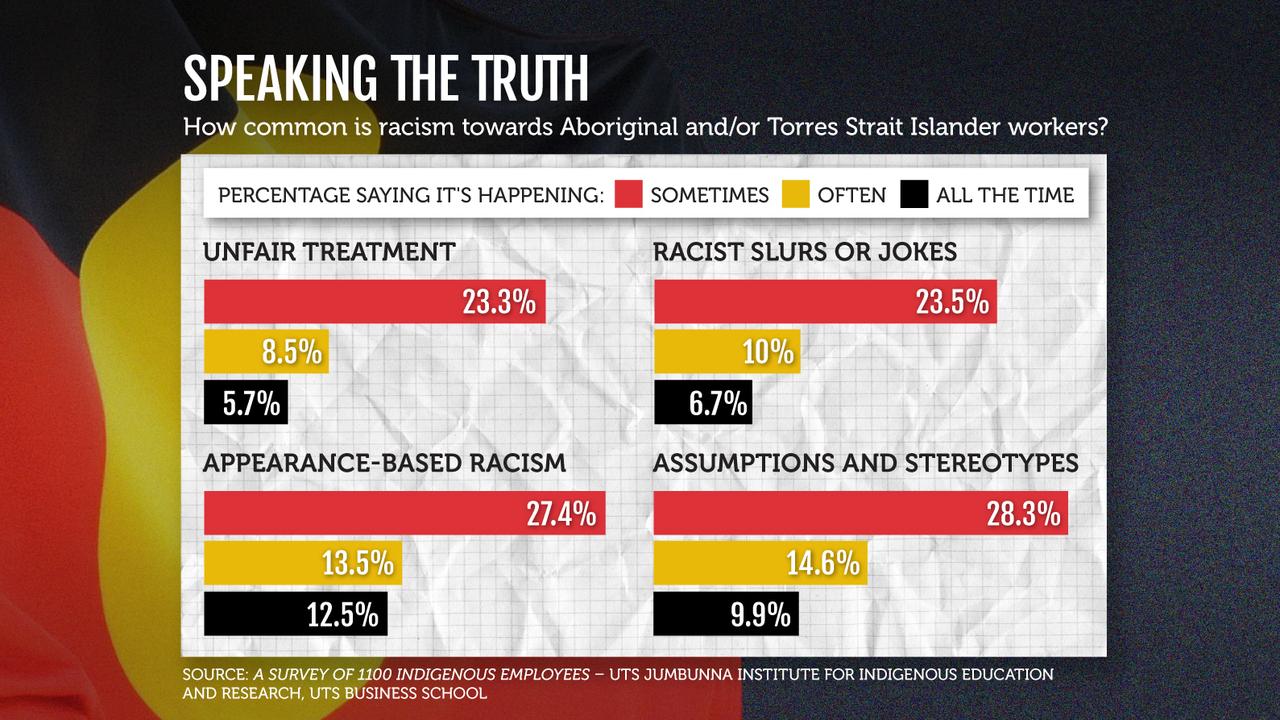
"Nearly two-thirds of Indigenous employees - or 63 per cent - say their workplace provides no antidiscrimination training that addresses racism towards Indigenous people," Professor Young said.
"Even more concerning is the fact that 69 per cent said their workplace doesn't have a racism complaint procedure as required by the law."
At the current rate of change, it will be 118 years before Indigenous workers never hear racial slurs at work, according to the Gari Yala 2 survey, which is a follow-up from an initial study six years ago.
"No one should have to suffer vilification and ridicule as part of their conditions of employment," Prof Young said.
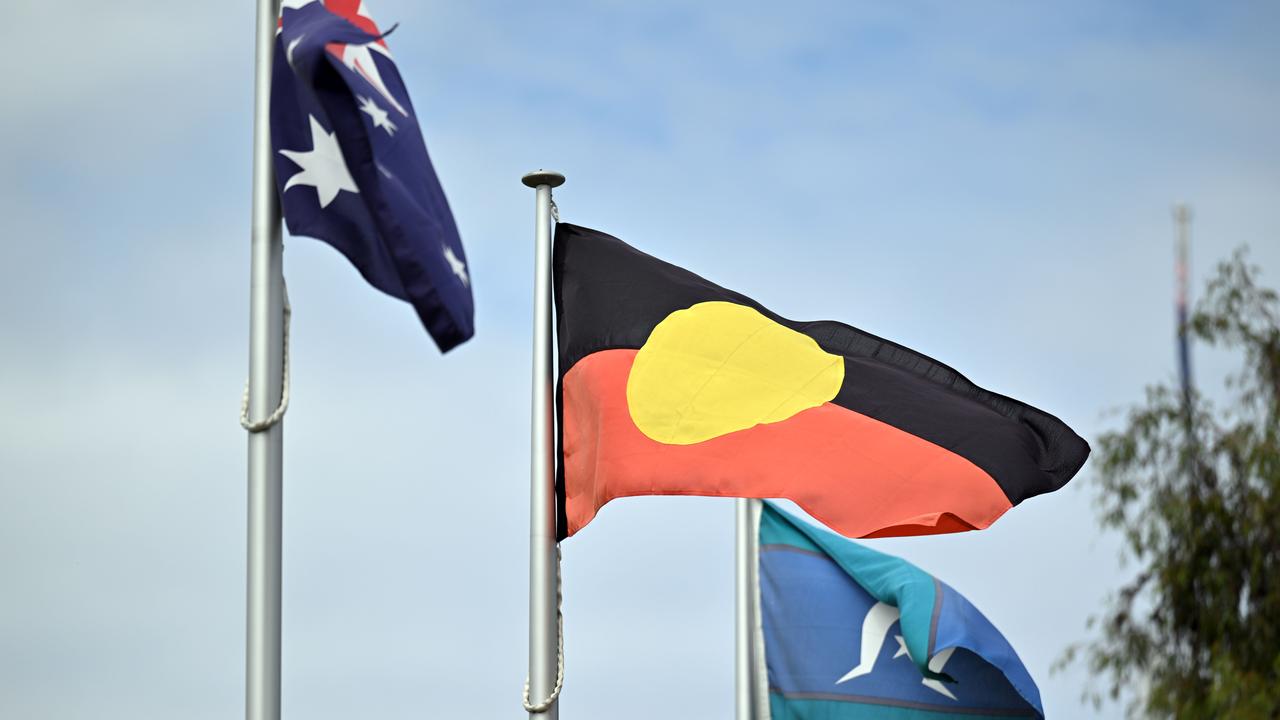
The study found businesses were more likely to adopt policies that delivered positive external signals but were not able to produce real results.
The majority of those surveyed said their business recognised Indigenous dates of significance but the harder work of changing internal systems was often lacking.
While the findings are concerning, there's still cause for optimism, according to Prof Young.
"Gari Yala found that racism is widespread but not inevitable," she said.
"We urge employers to take heed of the findings and act because we shouldn't have to wait a century to rid our workplaces of racism."
Race Discrimination Commissioner Giridharan Sivaraman and Reconciliation Australia chief executive Karen Mundine helped launch the study's findings on Wednesday.
13YARN 13 92 76
Lifeline 13 11 14