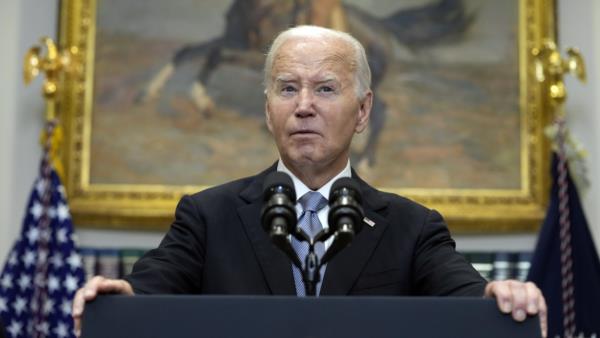
President Joe Biden is set to unveil a proposal that would impose a 5% cap on annual rent increases for tenants of major landlords. The plan, aimed at addressing the high cost of housing, is expected to be announced during the president's visit to Nevada on Tuesday.
The proposal comes at a time when housing costs have been a significant factor driving overall inflation. However, for the plan to become law, solid Democratic control of Congress would be necessary. Many policymakers have suggested that increasing construction and revising land use regulations would be more effective in curbing housing costs.
The median national rent stood at $1,411 a month in June, up from around $1,150 at the beginning of 2021 when Biden assumed office. Rental prices surged post-pandemic but have since stabilized. Nonetheless, a recent report by the Harvard University Joint Center for Housing Studies revealed that half of renters are considered 'cost burdened,' spending more than 30% of their income on housing and utilities.
Housing has been a key contributor to the 3% annual inflation rate, posing a political challenge for Biden as he faces competition from former President Donald Trump. While Biden has proposed measures to boost home construction, industry representatives have criticized the rent cap, arguing that it fails to address the housing shortage and could lead to a decline in habitable units.
Affordable housing advocates, however, believe that Biden's proposal could have prevented evictions and homelessness. They argue that protections against rent hikes could have helped families avoid homelessness and maintain stable housing.
In response to the proposal, the National Multifamily Housing Council CEO emphasized the importance of landlords being able to cover costs such as maintenance, insurance, and taxes to ensure the quality of housing remains intact.
Overall, Biden's plan to cap rent increases for major landlords is a significant step in addressing the housing affordability crisis, but its effectiveness and potential consequences remain subjects of debate among industry stakeholders and housing advocates.