India’s small and medium businesses (SMBs) are already central to its export economy: government figures put the micro, small and medium enterprises (MSME) sector’s share of exports at 48.58% as of January 2026.
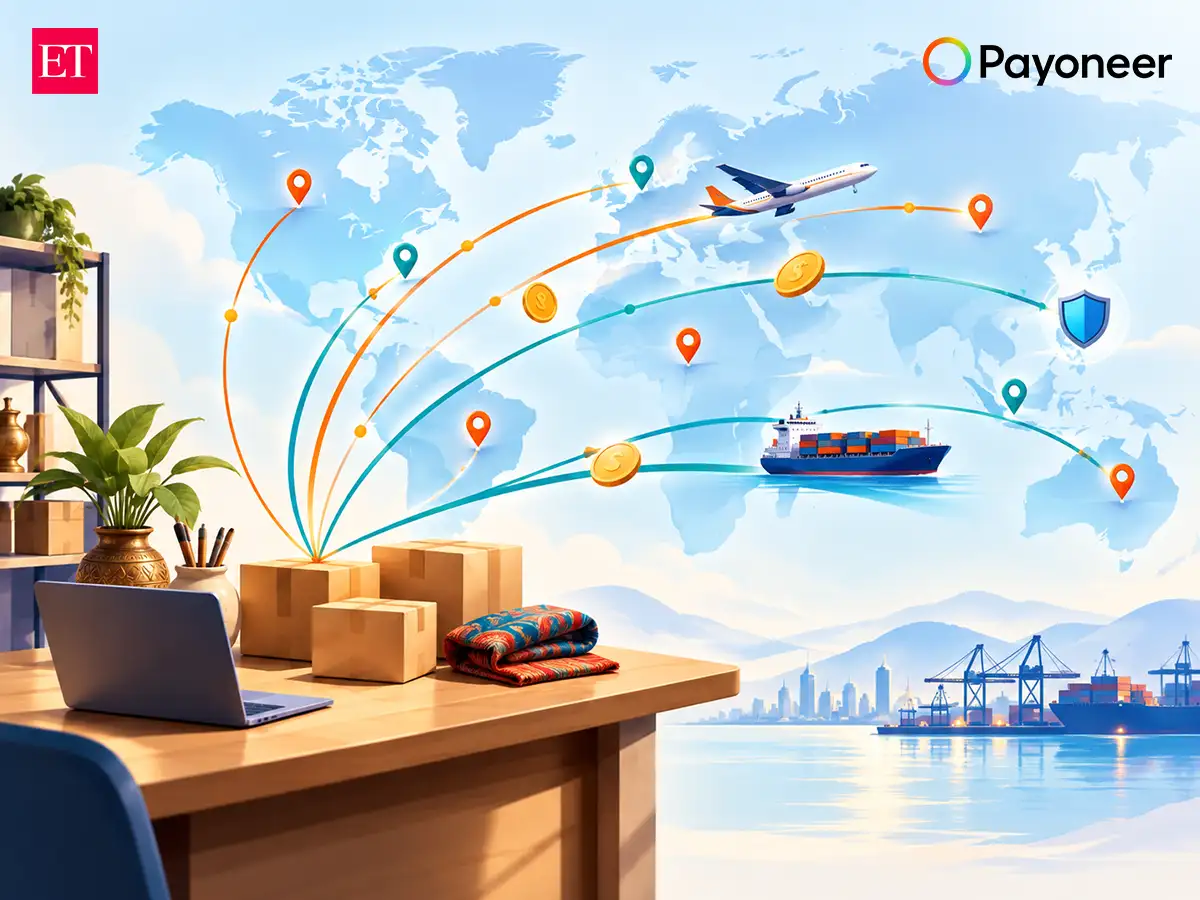
But the growing ability to find customers abroad through digital channels does not, by itself, make international trade easier to sustain. For Indian SMBs, the more consequential test comes after the first sale: whether they can give a distant buyer reason to order again, collect payment without friction, and build a way of working that holds up in the next market. Payments, logistics and customs processes remain significant obstacles to expanding e-commerce exports, according to an EY-ASSOCHAM report .